The U.S. data center boom has entered a new, contradictory phase.
On the one hand, both data center construction activity and credible forecasts for near-term capacity additions to the electric grid to serve data centers remain robust. The Electric Power Research Institute, for example, said in February that data centers will represent up to 17% of U.S. electricity demand in 2030 and as much as 20% in 2035.
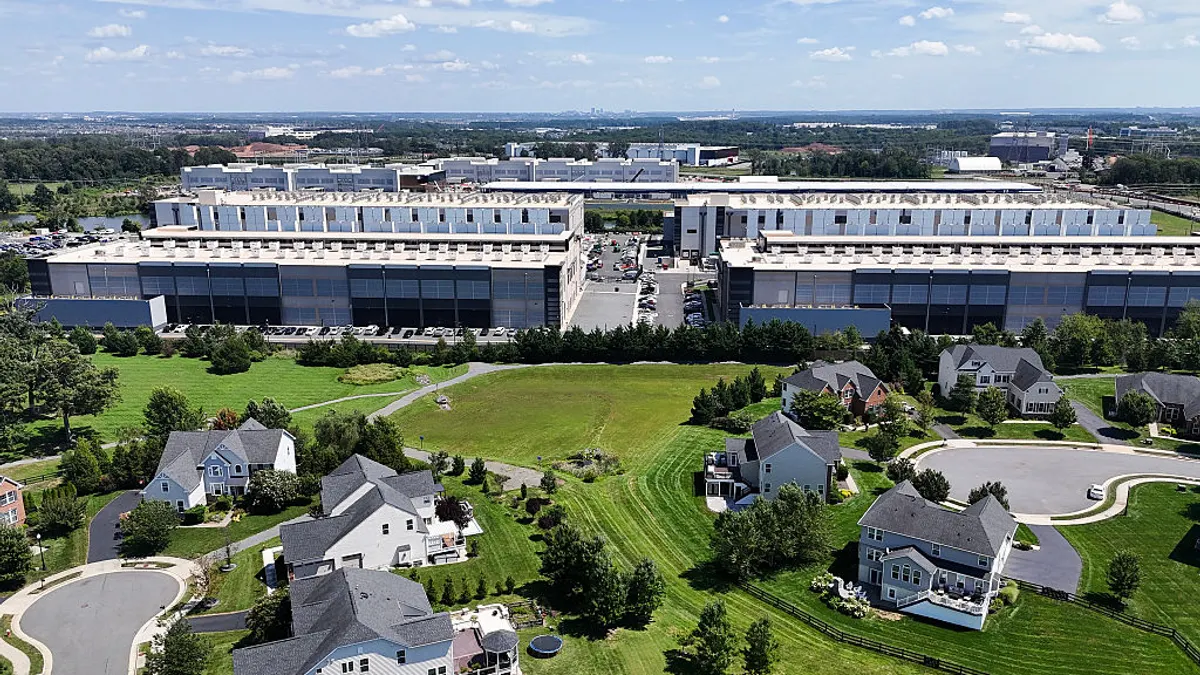
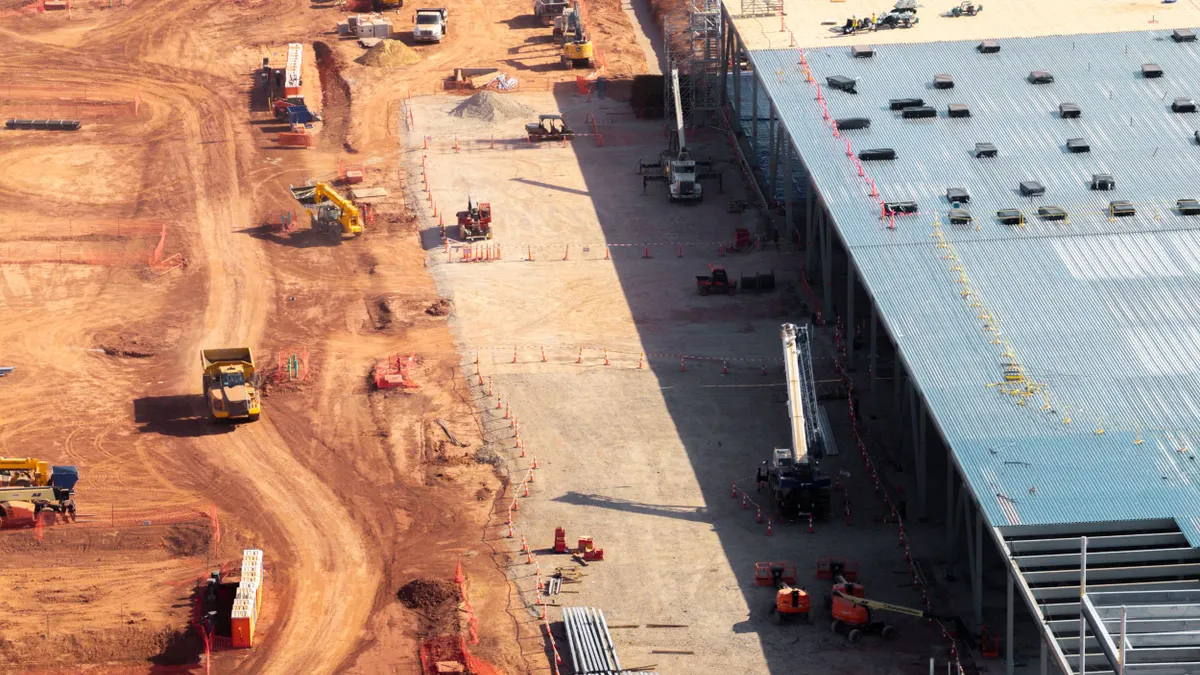
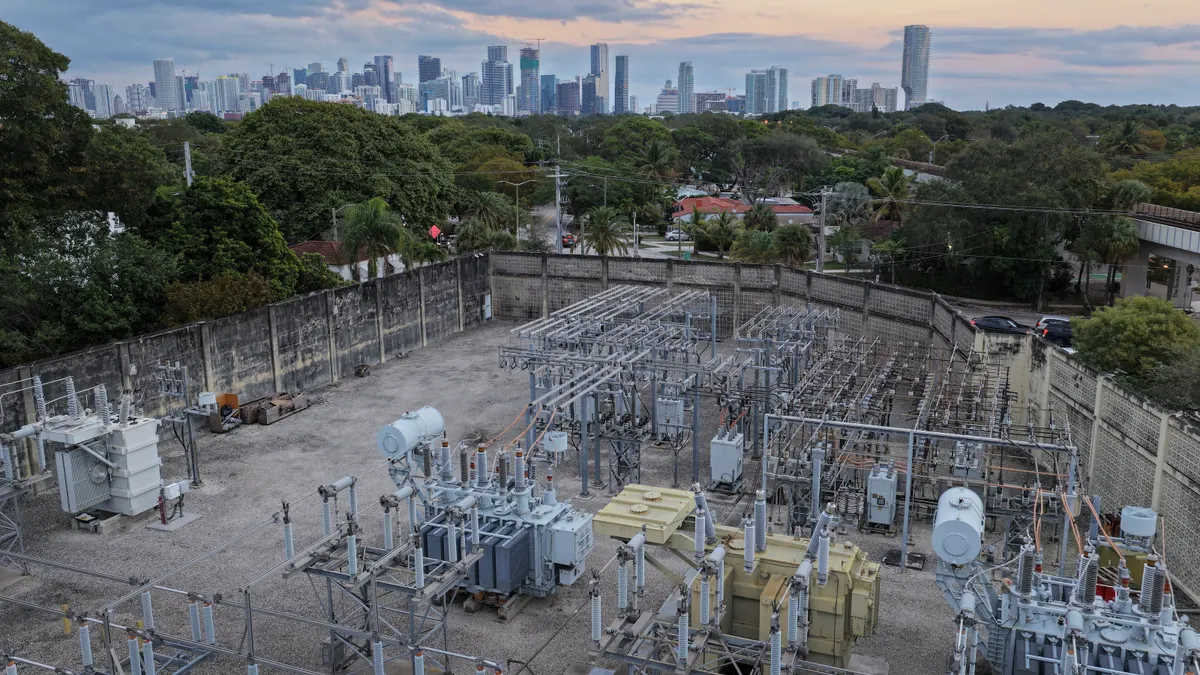
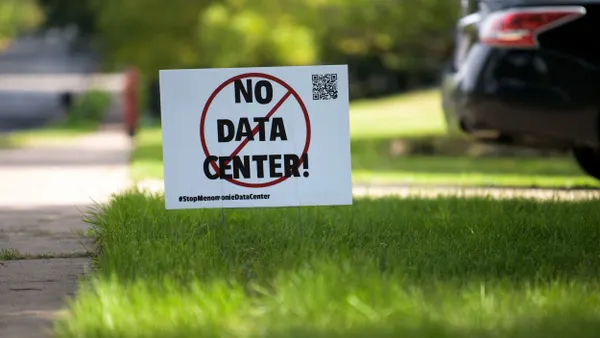
On the other hand, data center and utility infrastructure projects face a host of challenges. These include both physical constraints, such as equipment and labor shortages, as well as mounting public opposition driven by concerns about large-scale computing facilities’ impact on water supplies, the cost and reliability of power and natural gas supplies, and the quality of life in host communities.
The upshot is that even some data center development projects advanced enough to appear in utility load forecasts with a named hyperscaler attached are not certain to move forward.
Near Grand Rapids, Michigan, for example, a Microsoft data center touted by Consumers Energy faces an uncertain future amid local permitting delays.
“[Data centers] are running into physical problems that are manifesting as market problems, political problems, regulatory problems and ultimately problems down on the ground."

Blake Nixon
President and CEO of Geronimo Power
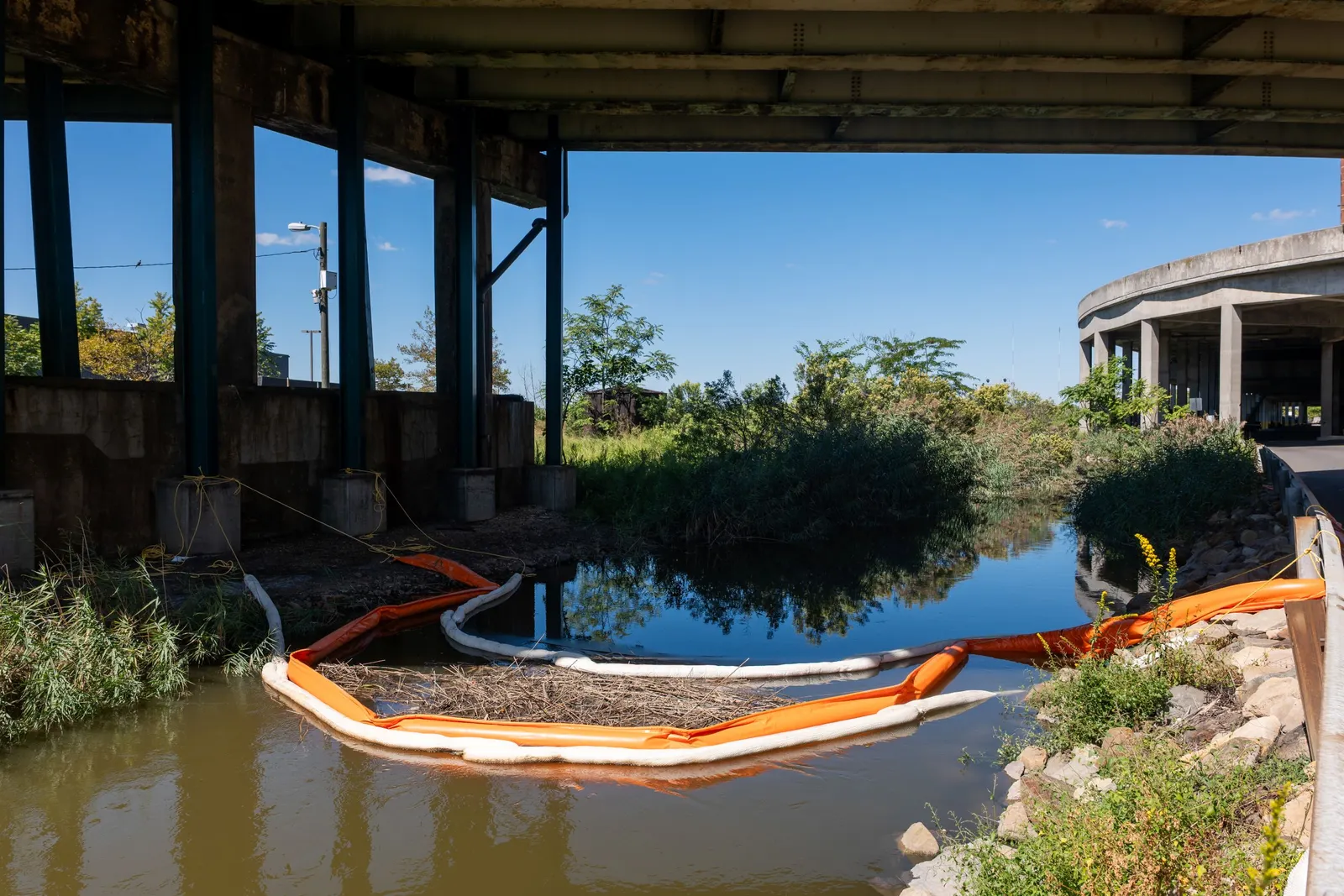
Another Microsoft-backed data center in Vineland, New Jersey, was recently hit with a $1 million fine for running dozens of gas-powered generators without the proper permits, and ordered to obtain them within 45 days or shut down.
A proposed Google data center that would interconnect in Xcel Energy’s Minnesota territory faces a court-ordered work stoppage to allow time for environmental review.
Even projects that sought to circumvent interconnection delays by building off-grid generation have seen setbacks. Last week, Oracle moved to protect itself financially from the delay or cancellation of Project Jupiter, a massive, 2.5-GW data center campus planned for Doña Ana County, New Mexico, after state regulators blocked a gas pipeline proposed to serve it.
Data center opposition “has reached a pitch I have never seen before in my 20-plus years in development,” Blake Nixon, president and CEO of Geronimo Power, told Utility Dive in an interview.
This spring, officials in Nobles County, Minnesota, shot down a proposal by Geronimo to build a 400 MW “data park” there, despite the company’s efforts at community outreach. Now, Nixon said his team is considering alternative sites in nearby communities.
“[Data centers] are running into physical problems that are manifesting as market problems, political problems, regulatory problems and ultimately problems down on the ground,” he said.
In May, Goldman Sachs said only 50%-60% of planned data center capacity will come online as expected in the next two years amid delays and cancellations.
And while the 36 GW of capacity added to the development pipeline in the first quarter of 2026 sounds impressive, that’s down 19% from the last quarter of 2025 as developers “continue to shift their focus to existing … pipelines in the face of an increasingly challenging development and regulatory environment,” Caitlin Connelly, a senior analyst with Wood Mackenzie, said in a July note.
Experts say these developments raise questions about just how much data center load will come online in the near term — injecting unwelcome uncertainty into utility planning cycles that must look years, even decades, into the future.
Working around grid constraints with flexibility, BYO capacity
It’s increasingly difficult for developers of large-scale data center campuses to find sites with the hundreds of megawatts, let alone gigawatts, of spare grid capacity they expect their projects to need at full build-out.
In the PJM Interconnection, real or perceived power scarcity is a major driver of both local opposition and top-down political backlash to the industry. The independent market monitor in July blamed data centers for 38% of charges at the most recent capacity auction.
The Democratic governors of Pennsylvania, Virginia and New Jersey have taken action in recent months to push regulators to require data centers to bring more generation and transmission capacity online.
These moves are not only in PJM states with Democratic governors. Power scarcity and cost concerns have triggered organized opposition and political backlash to data centers in places developers until recently believed were sympathetic to their cause, like Texas and Utah.
Texas Gov. Greg Abbott, R, successfully pushed for a sweeping pause on data center grid interconnections that threatens up to 20% of the total U.S. development pipeline, BloombergNEF said earlier this month.
Utilities and data centers are responding in several ways.
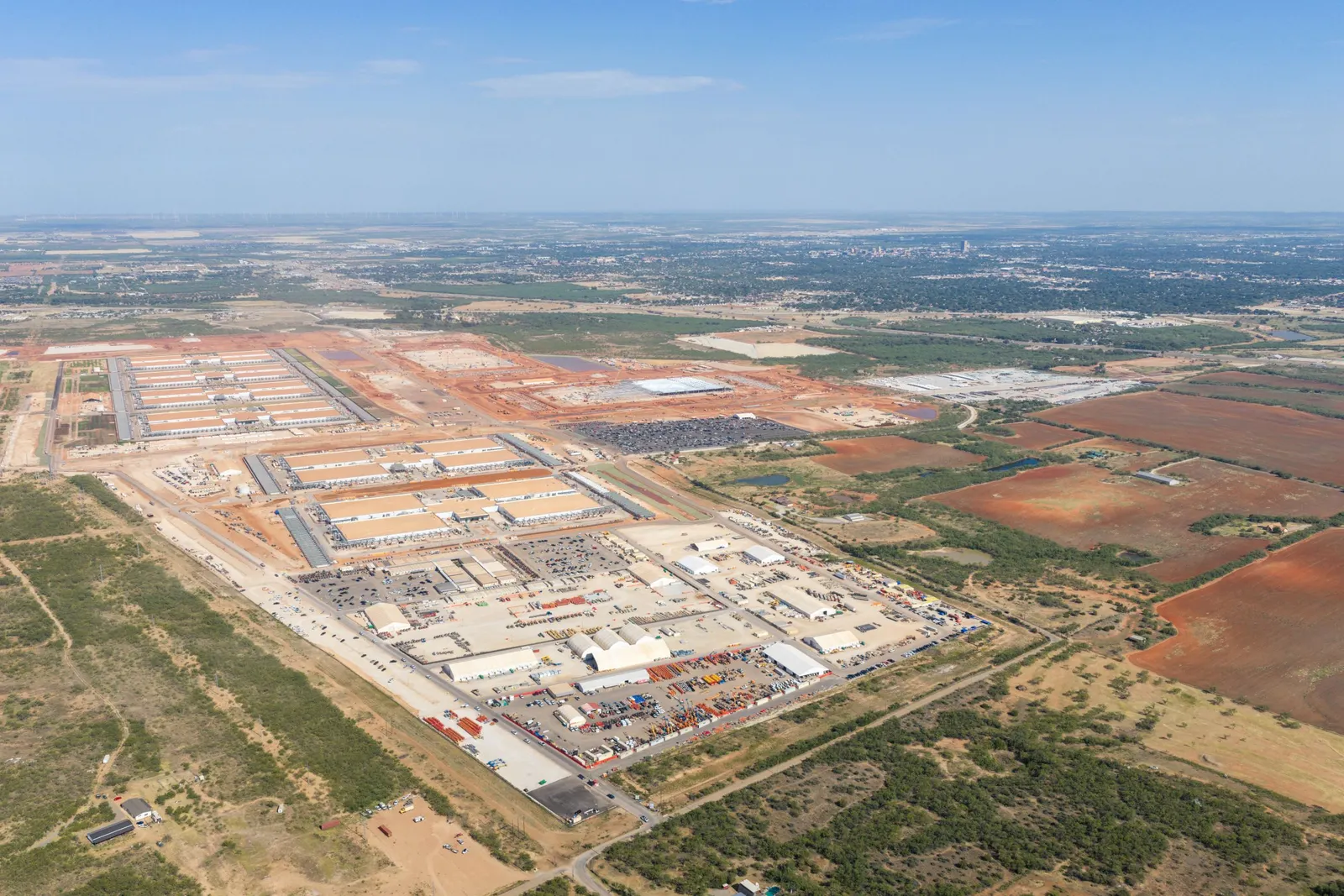
The most straightforward is through “bring your own capacity” arrangements in which computing facilities colocate with new generation or finance local capacity additions.
Some of these arrangements are massive: OpenAI agreed earlier this month to take 8 GW of the capacity from a planned 10 GW power generation project in Ohio that includes 9.2-GW gas assets. The facility, which is being pursued by Japan’s SoftBank Group and the U.S. Department of Energy, would be the country’s largest generation source if built.
If not, that title would go to Amazon’s proposed 7.7-GW gas-fired power plant in West Texas, which would also be larger than the current titleholder, Washington state’s 6.8-GW Grand Coulee hydroelectric dam.
Smaller-scale capacity procurements are also in the works, like Google’s “first-of-its-kind” deal with Voltus for 100 MW of virtual power plant capacity in PJM.
Elsewhere, utilities and data centers are pursuing asset-light alternatives using software to find previously untapped headroom on the grid or to ramp down computing loads during periods of peak demand.
Last fall, for example, Portland General Electric said that by using GridCARE’s AI-powered load modeling tool, it had freed up 80 MW of interconnection headroom — about a fifth of the 400 MW of data center load it expects to add by 2029.
“We are seeing more interest from both data center developers and regional stakeholders (utilities, regulators, policymakers) to embrace flexible loads, which can accelerate the interconnection process,” Anuja Ratnayake, EPRI’s emerging technologies executive, said in an email. Ratnayake leads EPRI’s DCFlex initiative, which aims to standardize data center designs and utility programs around flexibility.
And the United States still has load pockets with headroom to spare — no flexible interconnection or software wizardry required — though they’re increasingly rare.
Data center developers and prospective tenants are looking past mature, power-constrained markets like Northern Virginia and toward renewables-rich regions with relatively low wholesale power prices, such as the northern Plains states.
Some utilities and developers are also moving towards smaller data centers that could potentially soak up spare capacity without requiring much if any new generation, Louis Finkel, senior vice president of government relations for the National Rural Electric Cooperative Association, said in an email.
“Some co-ops are actively seeking these types of loads,” Finkel said. “A smaller-scale facility could be sited where there is excess capacity on the system, increasing grid utilization and potentially putting downward pressure on rates.”
Behind the meter or in front, projects face same equipment backlogs
In places without sufficient grid headroom, some data centers are looking to avoid multiyear interconnection queues and power up off-grid, at least temporarily.
Cleanview, a grid data platform, counted more than 90 GW of behind-the-meter capacity across 59 large-scale data center projects earlier this year. As much as 13 GW of that total could come online by the end of 2027, Cleanview says.
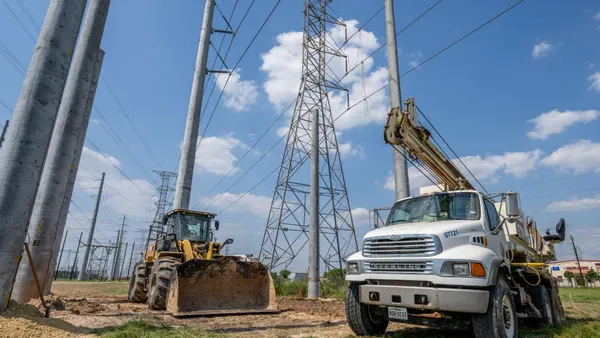
But Andrew Maxson, an EPRI program manager, told Utility Dive these projects remain at the mercy of stretched supply chains for power and electrical equipment. These backlogs are continuing years after the COVID-19 pandemic first pushed them to the breaking point, and the delays affect both grid-connected and behind-the-meter projects, he said.
The typical customer now waits two to three years for standard power transformers — which must be custom-built — and generator step-up units, according to Fluxco, an electrical equipment marketplace. The situation is unlikely to improve before 2027, when significant new U.S. manufacturing capacity is expected to come online, Fluxco said.
The story is much the same for power generation equipment. GE Vernova, the top U.S.-based gas turbine manufacturer, is quoting delivery dates in the early 2030s for a backlog exceeding 100 GW. The backlogs at Mitsubishi Heavy Industries and Siemens Energy, the other two major gas turbine manufacturers, are slightly shorter but still measured in years rather than months.
“Skilled labor shortages have … emerged as a binding constraint on data center development and the energy infrastructure that serves it, rivaling land availability, permitting and energy supply as a top concern."
Andrew Maxson
Program Manager, Electric Power Research Institute
Customers are responding with “[gigawatt]-scale procurement announcements for technologies such as fuel cells and engines, once considered unwieldy for large-scale deployment,” Maxson said in an email.
Share prices of Caterpillar, an industrial conglomerate with a fast-growing gas and diesel engine business, have doubled since last July. Bloom Energy, a fuel cell manufacturer, has seen its stock rise tenfold over the same period.
Unlike larger combined-cycle generating units, which require high-voltage transformers, smaller generating units can connect to the grid at medium voltages, Nina Sadighi, founder of Eradeh Power Consulting, said on a June 3 webinar organized by Wood Mackenzie.
The units themselves are less supply-constrained, with orders being booked today for 2028 delivery by customers looking to power up before receiving firm interconnection, she added.
Two-year waits are not ideal for data center users focused on speed to power above all else, but they’re preferable to longer waits for a grid connection, even after accounting for the higher cost of setting up what’s effectively an always-on microgrid, Sadighi said.
“You need to factor … the cost of a facility coming online a year late,” she said.
BloombergNEF’s most recent count of 74 GW of announced on-site gas power capacity at U.S. data centers would serve about 48 GW of facility load after accounting for equipment redundancy, said Mark Daly, the research provider’s head of technology and innovation.
“If the grid can only connect around 10 GW of new data center demand per year (near the current record in the US), then our data center demand forecast sees enough data center power demand for all this onsite gas to have something to serve,” Daly said in an email.
“Whether it is actually built on that timeline is a different question,” he added.
Labor constraints, public opposition complicate forecasts
Generating capacity, electrical supply chains and grid headroom aren’t the only meaningful constraints on data center development, however. Even after mitigating those issues, utilities face additional barriers to accurate near-term load and resource forecasting.
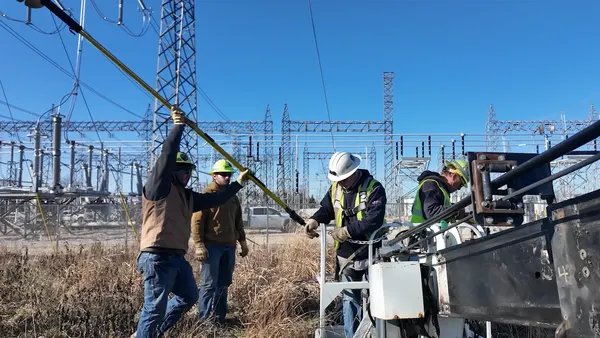
Finding qualified people to build computing facilities and install the massive amounts of computing and electrical equipment needed to run them is a big challenge, for example.
Associated Builders and Contractors, a construction industry trade group, said in 2024 — before the AI-fueled data center building boom began in earnest — that the U.S. was short about 500,000 construction workers.
Though data centers earn more media attention than other types of large construction projects, they’re competing for specialized workers like electricians and pipefitters with semiconductor factories, battery plants and even power generation projects — often “in the same regions and during the same construction windows,” EPRI’s Maxson said.
“Skilled labor shortages have … emerged as a binding constraint on data center development and the energy infrastructure that serves it, rivaling land availability, permitting and energy supply as a top concern,” he said.
Those issues are colliding with stiffening public pushback to create a challenging development environment, according to recent polling.
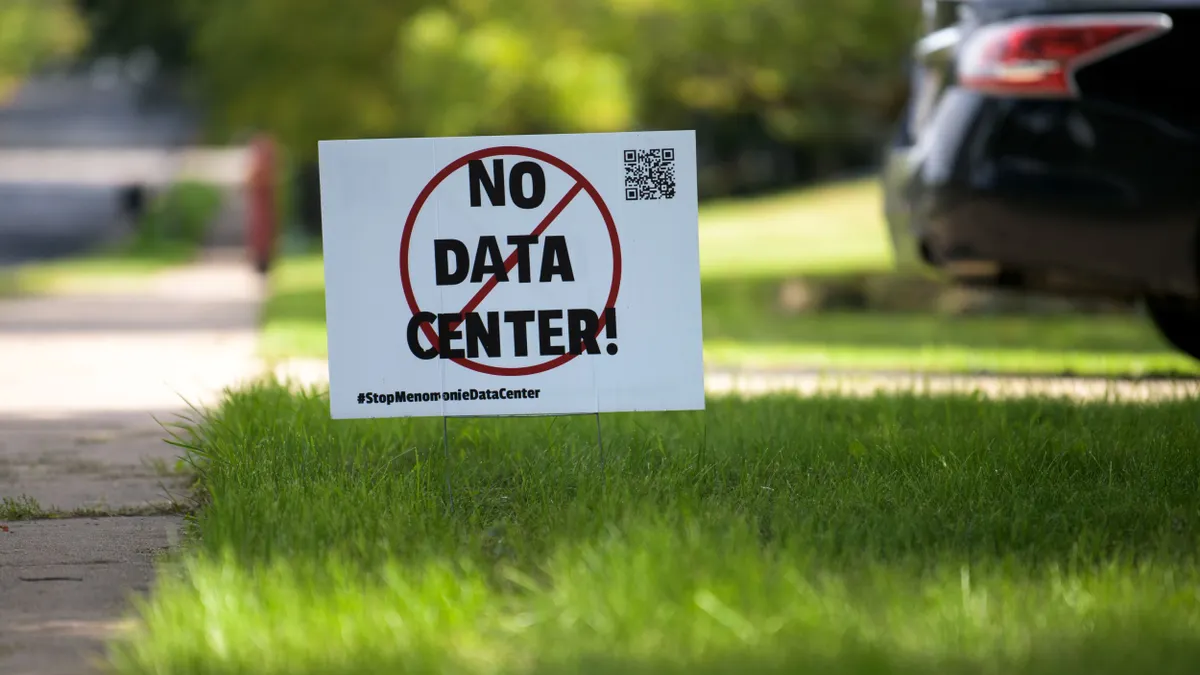
Seventy-one percent of Americans would oppose a data center being built nearby, according to a Heatmap News poll fielded in May — up nearly 30 percentage points from September. By Heatmap’s count, local opposition killed at least 20 proposed data center projects in the first quarter of 2026, the most of any quarter on record.
Organized opposition to data centers and related infrastructure has reached places — and political leaders — that were previously welcoming to data center development.
Utah Gov. Spencer Cox, R, in May called on data center developers to increase their efforts to safeguard air quality, water resources and other utility ratepayers in his state. The celebrity investor behind a controversial 9-GW project in northern Utah subsequently slimmed down his proposal as the host county enacted a six-month moratorium on data center builds.
In Texas, Abbott directed state regulators in June to ensure data centers “fully fund the costs of electric infrastructure needed to serve their operations, preventing those costs from being passed on to residential ratepayers.” Weeks later, the governor effectively halted new data center interconnections until an audit of the queue could be completed.
As with labor and supply chain bottlenecks, both grid-connected and behind-the-meter data centers face state and local permitting challenges, EPRI’s Maxson said.
“Permitting is layered with federal, regional, and local constraints,” he said. These constraints “may be more difficult down that chain, meaning that regional constraints are on top of federal ones, and then local ones are on top of both of those.”