“A fraction of proposed data centers will get built. Utilities are wising up.”
That was the headline on a May 2025 Utility Dive article that explored the conundrum speculative data center requests pose for U.S. electric utilities. More than a year later, it’s unclear how much has changed.
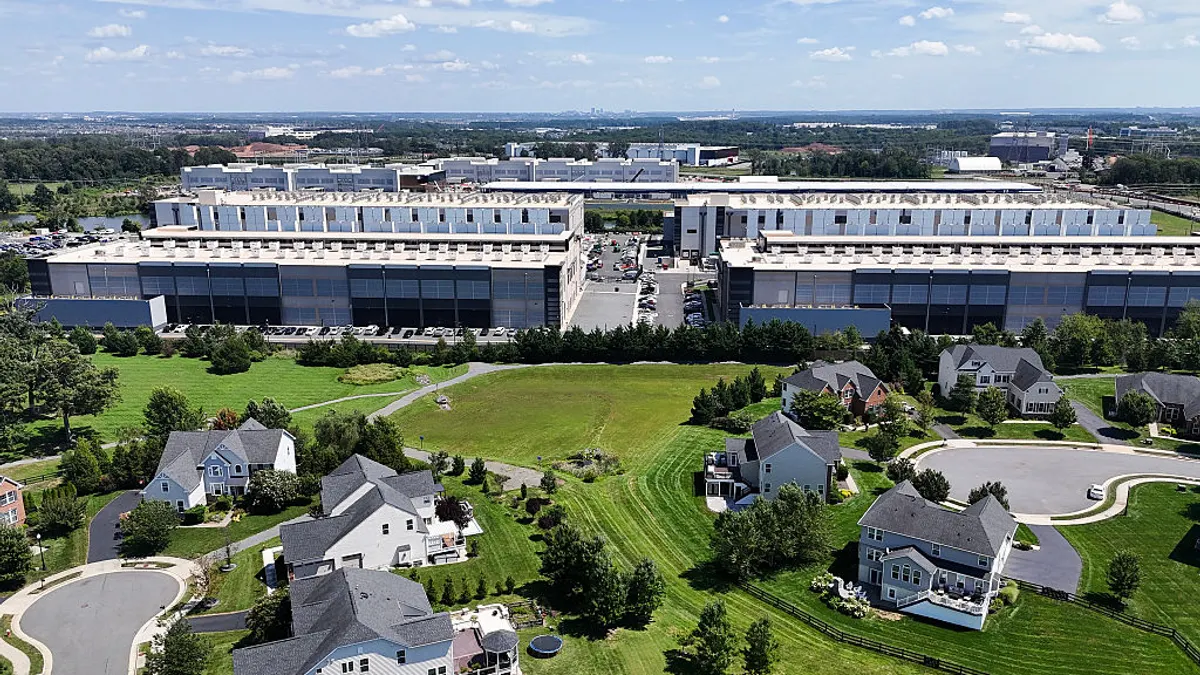
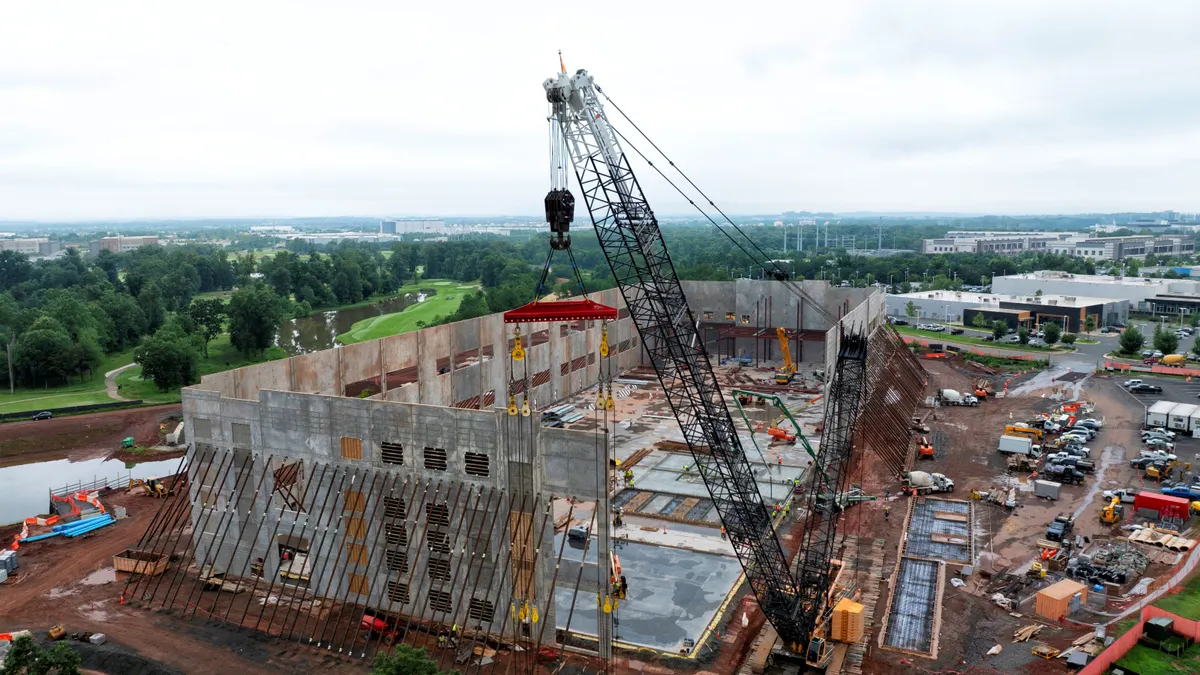
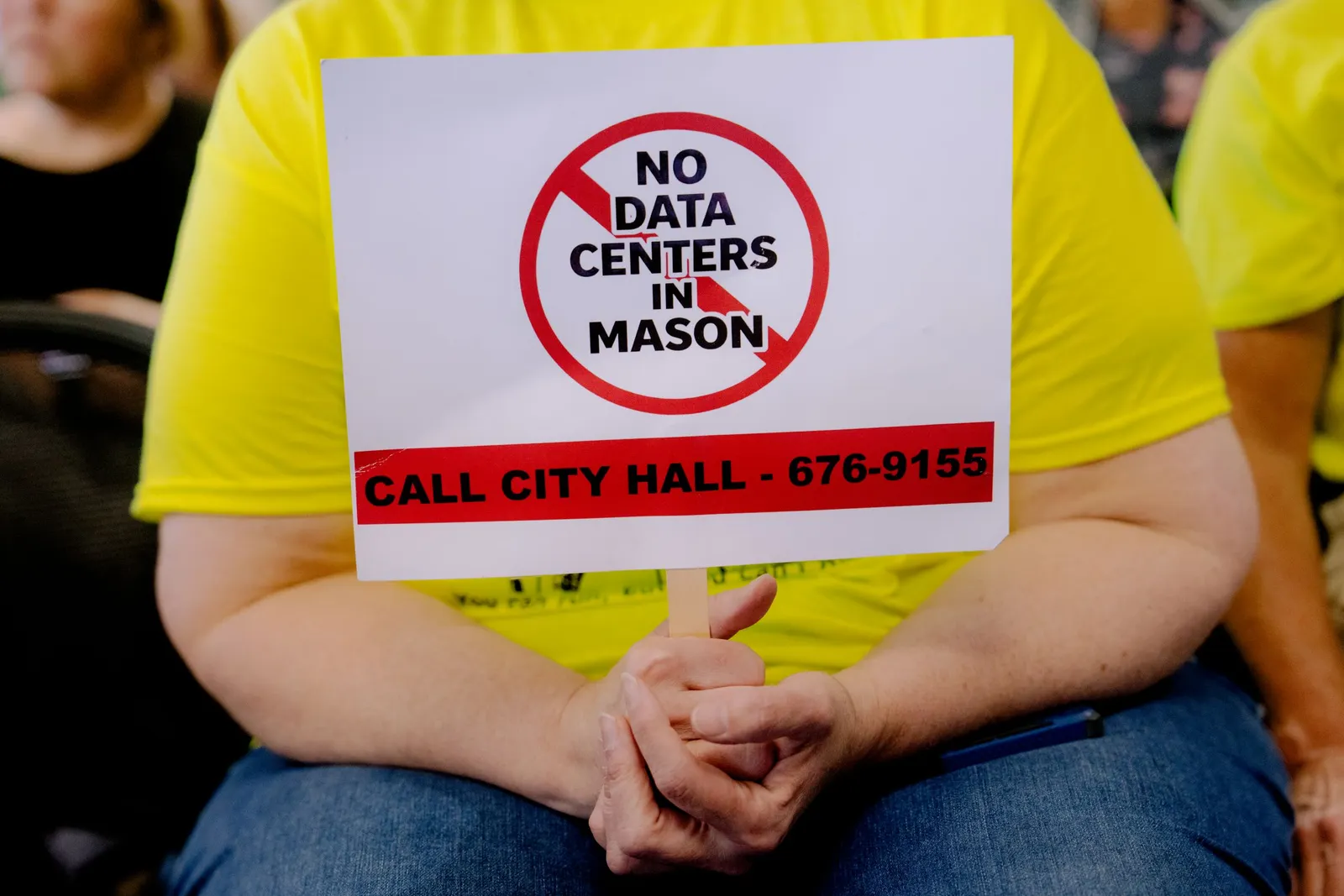
Community opposition has emerged as a major barrier to data center development, with other challenges including construction labor shortages, long lead times for critical electrical equipment, limited power availability in key markets and uncertainty around consumer demand for artificial intelligence tools.
More than $170 billion in AI data center capacity has been “blocked, withdrawn, or stalled” by community opposition since January 2024, the energy advisory company Relae, formerly Carbon Direct, said in June.
That’s a sizable chunk of the roughly $581 billion Goldman Sachs expects the big tech companies known as hyperscalers to spend in the U.S. on AI infrastructure, including data center construction, this year.
Yet market analysts see no sign that the AI-driven construction boom will disappear anytime soon, despite challenges.
Goldman Sachs said in May it sees U.S. data center power demand more than doubling from its 2025 levels to reach 66 GW in 2027. Only about half of data center capacity scheduled for the next one to two years is expected to come online on time amid delays and cancellations, it said.
The Electric Power Research Institute, a research nonprofit, said in February that data centers will represent 9% to 17% of U.S. electricity demand in 2030 and up to 20% by 2035.
Questions persist around the scale, timing and location of new data center load. If anything, the uncertainty is growing amid public backlash to data centers that is fueling state-led efforts to impose stricter rules on data center development, up to and including moratoriums on new facilities in some places.
Firmer answers would benefit not only the utility planners and regulators ensuring that the electric grid is neither over- nor under-built, but also the millions of other customers who could bear the consequences of a disorderly buildout, industry experts say.
Texas hits the brakes on large loads as states assert control
Many utilities and their regulators have turned to large-load tariffs to try and weed out speculative load by requiring minimum contract durations, minimum billing demand and collateral requirements, upfront payments for impact studies, exit fees and specific ramp schedules. Some states have also introduced incentives for developers that bring their own capacity, agree to be flexible in their energy use or commit to state clean energy or economic development goals.

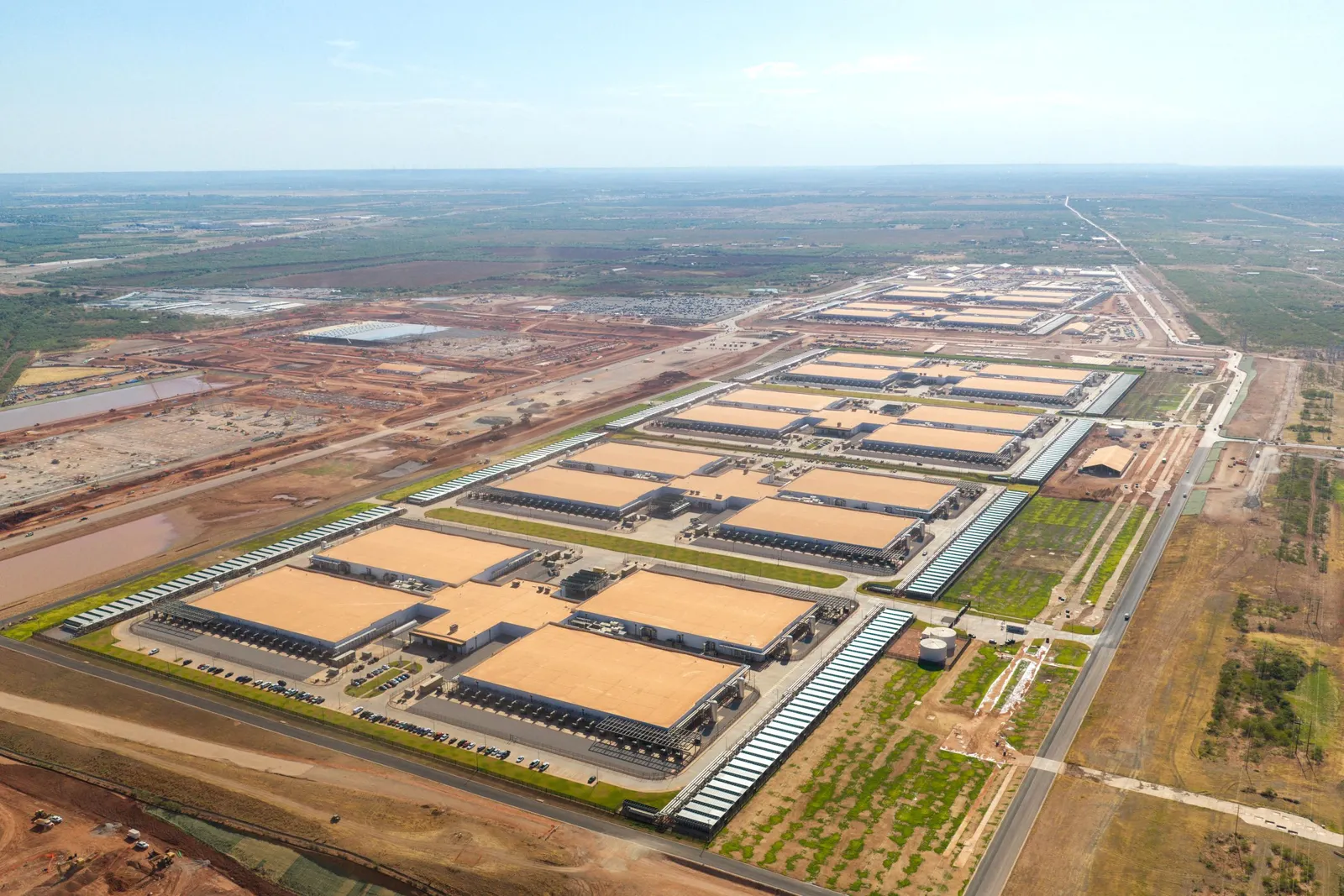
The question of just how much data center capacity is going to come online, and when, is particularly urgent in Texas, which has paused new data center interconnections pending an audit of its 474-GW queue. That’s more than five times the Texas grid’s recent all-time peak demand record of a little over 90 GW set this summer.
Few experts expect all that load to materialize. Pablo Vegas, president and CEO of the Electric Reliability Council of Texas, is among the skeptics.
“We believe this forecast to be higher than expected future load growth,” Vegas said in an April statement, citing uncertainty around protocols for identifying, verifying and incorporating large load demand into long-range planning. Vegas said ERCOT would work with the Public Utilities Commission of Texas to adjust its forecasting methodology.
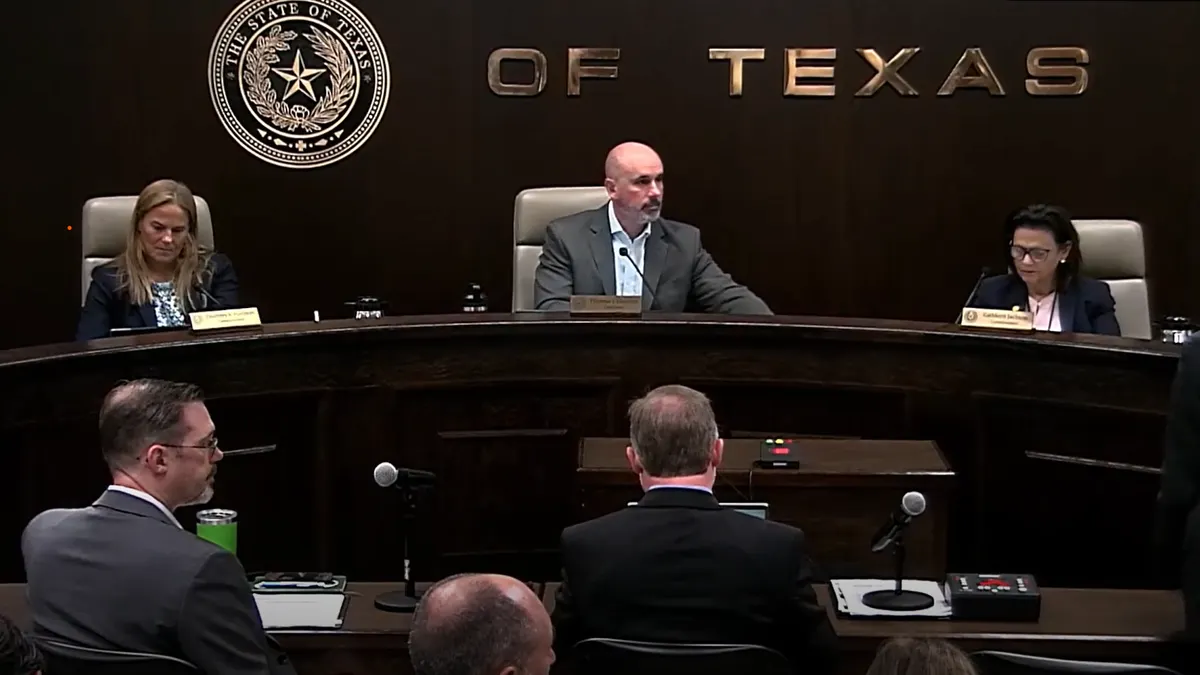
Thomas Gleeson, the PUCT’s chairman, was more blunt in an appearance on the Energy Capital podcast in June.
“The projections are extremely high, and what we know is that a lot of that load will not actually come here. A lot of it is speculative,” Gleeson said in comments made before the interconnection pause.
The sheer number of large-load interconnection requests compounds the state’s challenge. Texas’s load growth — not only from large computing and industrial loads, but also garden-variety residential and commercial demand — is leading to congestion in load pockets that previously had capacity to spare, Gleeson said.
That creates unwelcome uncertainty for large-load customers eager to put steel in the ground.
“That has been the problem we have been trying to solve for the past eight or so months — that when [a customer has] an interconnection agreement and they are ready to move forward, they know that the capacity will be there to serve them so they can make proper business decisions,” Gleeson said.
Texas has developed “gating” conditions to discourage speculative interconnection requests, balance load and capacity and “make sure that no one is harmed by these large loads,” Gleeson said.
Last summer, Gov. Greg Abbott, R, signed Senate Bill 6, a sweeping measure requiring prospective large-load customers to demonstrate site control, substantially cover necessary grid upgrades, disclose duplicative interconnection requests elsewhere in Texas and accept curtailment during firm load shed events, among other provisions.
On June 18, the PUCT adopted a cluster study framework for prospective loads larger than 75 MW that officials said would streamline a “lengthy and repetitive” sequential study process as ERCOT stakeholders work to develop a comprehensive transmission planning framework later this year. ERCOT said at the time that it expected to publish a final transmission plan for the first study cluster, known as “Batch Zero,” in late 2027.
Gleeson said on the podcast that the cluster study and transmission planning frameworks will mitigate uncertainty for large loads, grid operators and generation owners across Texas. Together, they assure loads that “once they interconnect, they will get the electricity they need to fully energize,” and they assure other stakeholders that “all the loads coming here are real and will stay,” he said.
But before the state could announce the first study cluster, Abbott in August effectively directed the grid operator to freeze new interconnection approvals until it completes an audit of all data centers in the queue. ERCOT responded by delaying the Batch Zero process.
The grid operator has since said that it aims to complete the audit by December. In the meantime, Bloomberg NEF estimated that the interconnection “pause” could delay 20% of the total U.S. data center pipeline, and possibly more if it extends into next year.
Uncertainty in regulated markets, too
Large-load uncertainty is a headache in regulated utility markets, too. There, it’s up to vertically integrated utilities — with increasing scrutiny from state policymakers and regulators — to sort out speculative requests from those more likely to get built.
Brad Viator, president of Power for Tomorrow, a trade association for vertically integrated utilities, insists they are up to the challenge.
In an email, Viator said many utilities are raising load interconnection study fees as request volume increases. They’re also structuring electric service agreements to prevent large loads from ramping power demand “in ways that would strand costs or compromise reliability for other customers,” such as by requiring customers to pay upfront for substation upgrades and other infrastructure. And they’re keeping generation that would be required to support a large new customer out of load forecasts until the contract is “actually executed or near execution,” he said.
“The structure is designed to ensure that by the time a customer reaches a contract — and certainly before any new generation is committed — the utility has high confidence they're dealing with a real project, not a tire-kicker,” Viator said.
For legitimate large-load customers, vertically integrated utilities’ ownership of generation, transmission and distribution ensures adequate generation and grid capacity, maintaining reliability as they interconnect, Viator said. He said that’s one factor in regulated utilities’ comparatively short interconnection queues — one to five years compared with eight or more in deregulated portions of the PJM Interconnection, he said.
“In markets like PJM, where new generation simply isn't getting built, you can’t move customers through the queue because there’s no new generation to serve them,” Viator said.
“I get no sense that utilities are excited about serving this load as much as they are excited about spending the capital necessary to serve the load."

Karl Rábago
Principal at Rábago Energy and a former commissioner at the Texas Public Utility Commission
Some regulators and consumer advocates have raised concerns, however, that the return on equity in the vertically integrated model incentivizes spending on new infrastructure more than it does scrutiny of potential large loads.
Karl Rábago, principal at Rábago Energy and a former commissioner at the Texas Public Utility Commission, said because vertically integrated utilities own power plants, poles and wires across sometimes vast territories, they have more leverage over regulators, and the for-profit companies among them have strong financial incentives to build more.
“I get no sense that utilities are excited about serving this load as much as they are excited about spending the capital necessary to serve the load,” Rábago said. “They are promising big [earnings per share] growth … to shareholders, and the transmission and generation [they build] to serve data centers is the only way to get that.”
Their data center load growth projections — those shared publicly, at least — thus deserve some skepticism, he said.
“If they have good estimates of load growth — realistically discounting for the opposition that is gaining traction — it is not in their interest to share,” Rábago said.
Some independent grid modelers seem to agree. In November, Grid Strategies, a power sector consulting firm, said the aggregate data center load forecasts that utilities submitted to the Federal Energy Regulatory Commission came in about 40% higher than credible industry projections for data center development through 2030.
Rábago said “cross-jurisdictional cooperation” could help state regulators develop more accurate data center load projections, but he’s not aware of any such efforts. Right now, “utilities are playing the tune that makes regulators dance — if you don’t let us do this, the grid could collapse under all that load,” he said.
Utilities look to smaller data centers as scrutiny of large loads intensifies
Some investor-owned utilities appear to be angling for smaller data centers that can interconnect to the grid more easily, arouse less community opposition and appear likely to become more common as AI use increases.
In late March, for example, NorthWestern Energy filed a large-load tariff proposal with the Montana Public Service Commission that would exempt loads under 50 MW from direct regulatory oversight. And in May, Florida Gov. Ron DeSantis, R, signed a law requiring data centers over 50 MW to cover the full cost of connecting to the grid, aligning with large-load tariffs state regulators approved for Florida Power & Light, a vertically integrated NextEra subsidiary.
NorthWestern Energy CEO Brian Bird said in a statement that his company’s proposal would “[position] our state to compete for high-quality economic development.”
But Anne Hedges, executive director for the Montana Environmental Information Center, told the Daily Montanan in April that the proposal created a loophole that would — in theory — allow NorthWestern to connect multiple 49-MW data centers without adequate ratepayer protections.
Such “vague” large-load tariffs maintain utilities’ leverage without shedding much light on future power demand from computing facilities, Rábago said.
“We really have no visibility on the shape of the whole market — what is the mean or mode of size distribution for data centers and where is it heading?” he said. “I feel like it is generally smaller than the large load size thresholds utilities are getting in large load tariffs.”
Data center load growth projections also depend on factors outside utilities’ control. One big wild card is customer demand for AI, cloud services and other products of data centers’ computing capacity.
In May, xAI said it would lease already-operating servers at its Memphis data center to Anthropic, the fast-growing company behind the Claude large-language models. Bloomberg reported on July 1 that Meta would launch a cloud computing business — similar to Microsoft’s Azure and Amazon’s AWS — that could help it recoup the many billions of dollars it has spent on computing equipment over the past several years.
The developments suggest xAI and Meta have more computing capacity than they need for themselves in the near term, though not necessarily that no one else has use for it. As Bain & Co. put it in October, hyperscalers are moving from an initial “scramble” for AI computing capacity into a more “disciplined, selective and execution-focused phase of growth.”
The upshot of this transition from hype to execution is that “the ‘wildcat’ predictions for data centers are dead in the water,” said Advait Arun, senior associate for capital markets at the Center for Public Enterprise.
“The only ones that are getting built are ones that are, upfront, supported by hyperscaler cash,” which is “barrelling through a lot of problems” facing the industry, Arun said.
“There’s a baseline level of new investment into interregional transmission and large-scale capacity that’s necessary for resilience.”
Advait Arun
Senior associate for capital markets at the Center for Public Enterprise
That’s bad news for the speculative neocloud data center operators that lease computing capacity to hyperscalers, Arun said, but it’s not necessarily an indication that evidence-based data center load forecasts are overshooting the mark.
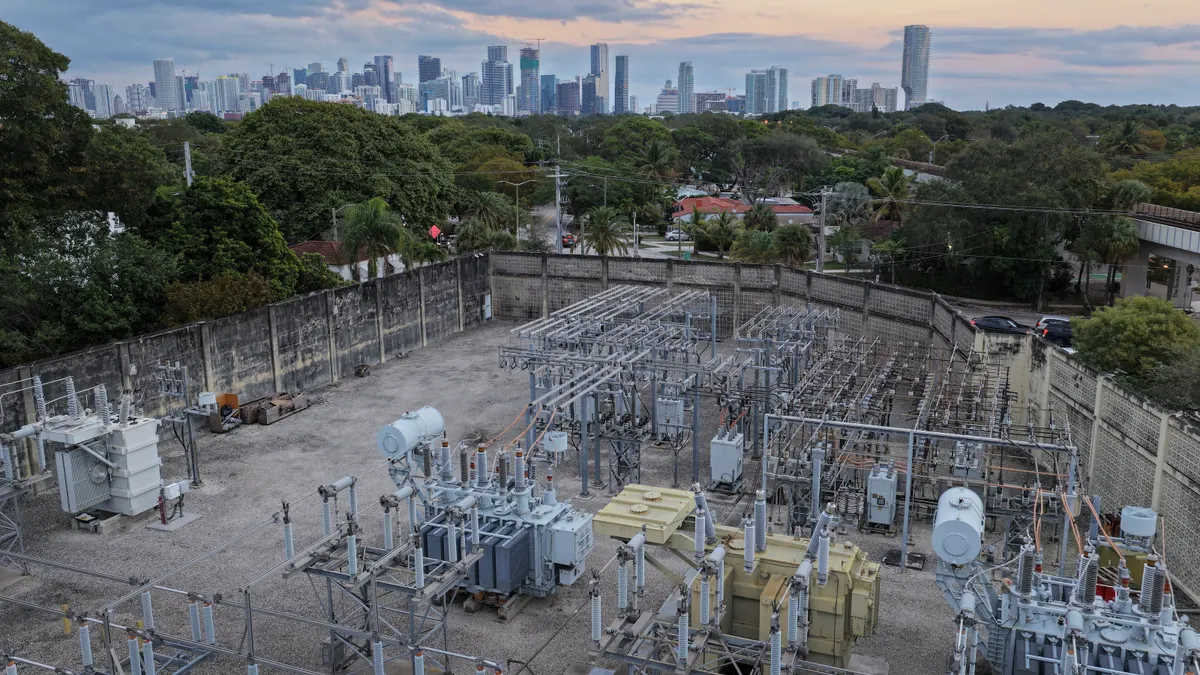
The transmission fault that caused 1.5 GW of data center load to trip offline in Virginia in 2024, and the North American Electric Reliability Corp.’s more recent warning that large computing facilities may pose systemic reliability risks, are evidence that the grid needs to expand to accommodate even modest data center growth, he said.
“I think utilities shouldn’t be concerned with overbuilding. There’s a baseline level of new investment into interregional transmission and large-scale capacity that’s necessary for resilience,” Arun said.
“Now, that’s not to say ratepayers won’t feel the bite,” he added. “And that’s a big problem with the way the system works.”