Dive Brief:
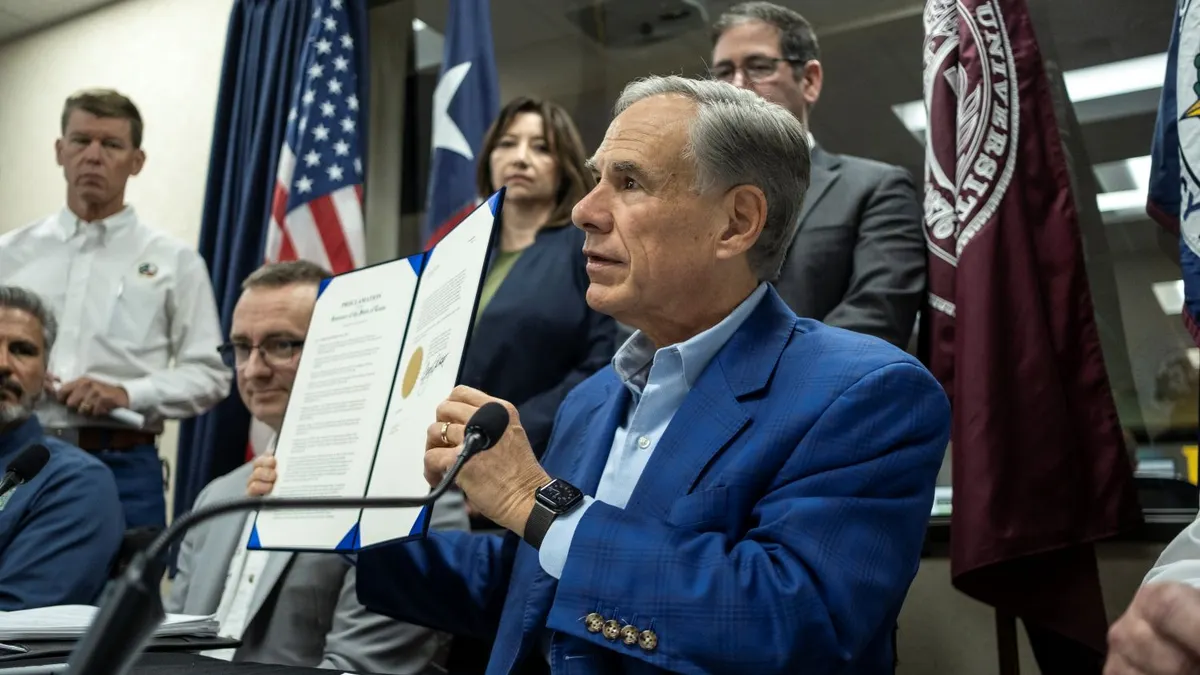
- Texas Gov. Greg Abbott, R, has called for an audit of all data centers in the Electric Reliability Council of Texas interconnection queue, hitting the brakes on data center development amid increasing power demand in the state.
- Interconnection queue requests total about 474 GW, which “is more than five times Texas’ record peak electricity demand for ERCOT,” Abbott said in a Monday letter to the grid operator and state regulators. “Approximately 90 percent of the new power requests are data centers.”
- ERCOT responded by delaying its Batch Zero transmission planning study, which will cover the first set of projects to navigate the state’s new large load interconnection process. Power generation and data center developers should reassess project timelines and consider if the state’s suspension impacts project viability, according to attorneys at Troutman Pepper Locke.
Dive Insight:
The scale of Texas data center development “could endanger the reliability and stability of the Texas electric grid,” Abbott said in the letter. It also spells out what the audit of data center proposals will examine:
- The extent to which data centers “are providing their own power or depending on the ERCOT grid for that power.” Questions include projected annual and peak electricity consumption “and any effort and progress to construct or procure on-site electric generation.”
- Whether data centers are bringing their own water and reusing their water “as opposed to using water needed by local communities.” Audits should query projected annual and peak water consumption and anticipated sources of water supply.
- An analysis of “which data centers are paying their own way or depending on the state for financial assistance,” including state and local tax incentives, grants, abatements or other public financial assistance.
“Any data center project that fails to comply with the verification and audit process to protect the reliability and resilience of the Texas electric grid must be denied,” Abbott said.
The Texas moratorium follows New York, which in July halted new data center approvals for up to a year while the state creates new development rules.
In response to Abbott’s letter, ERCOT on Monday sent out a market notice delaying the Batch Zero process and announcing plans to ask the Public Utility Commission of Texas for a good-cause exemption to the timeline at its Aug. 20 open meeting.
The Data Center Coalition, which represents members of the data center industry, said it hopes Abbott’s audits “will help separate those who are responsible water and energy stewards from those who are not.”
“With billions of dollars in investment and hundreds of thousands of jobs on the line, we urge the PUCT and ERCOT to move swiftly in order to distinguish between speculative projects and serious, committed investors and community partners,” Dan Diorio, executive vice president of state policy and government affairs for the data center trade group, said in an emailed statement.
ERCOT in May published a preliminary forecast indicating peak demand could more than quadruple by 2032, driven by data centers and other large load customers — but the grid operator also cautioned that the forecast may be inflated. Utilities and grid operators have struggled to assess data center load forecasts bloated by speculative projects.
Law firm Troutman Pepper Locke published a blog post on the Texas pause, calling it a “delay of indeterminate duration” and urging project stakeholders to carefully assess the situation.
“Power generation and infrastructure investors financing transmission, generation, or grid infrastructure tied to large-load projects should assess how this suspension affects project viability, lender security interests, and committed capital deployment schedules — including counterparty termination rights,” the firm said. Tech companies and hyperscalers considering Texas projects “should assess development timelines and evaluate the new disclosure and compliance requirements that will govern any future interconnection approval.”
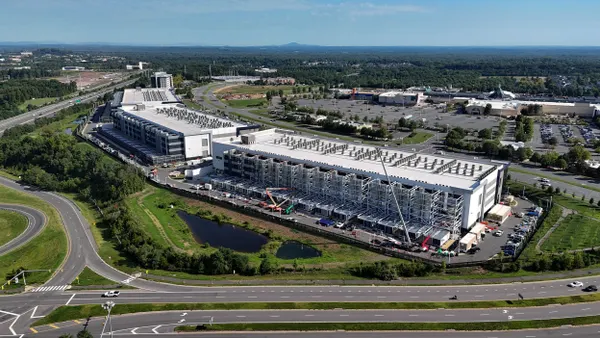
Virginia is the top U.S. state for data center development, followed by Texas. Conventional wisdom has held that the Lone Star State would overtake the top spot. Data center developers say they believe that can still happen.
If handled well, Abbott’s audit “can showcase the good actors in the data center industry rather than delaying them unnecessarily, ensuring Texas will continue to be the national leader in economic development,” Diorio said.