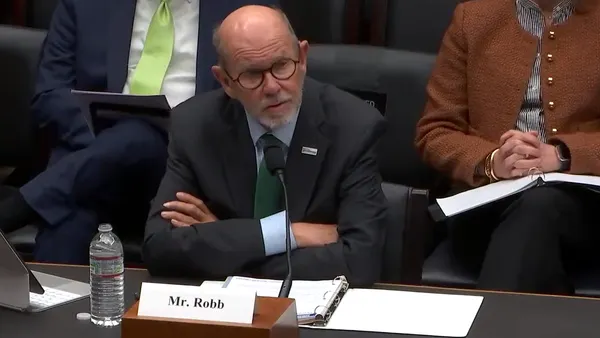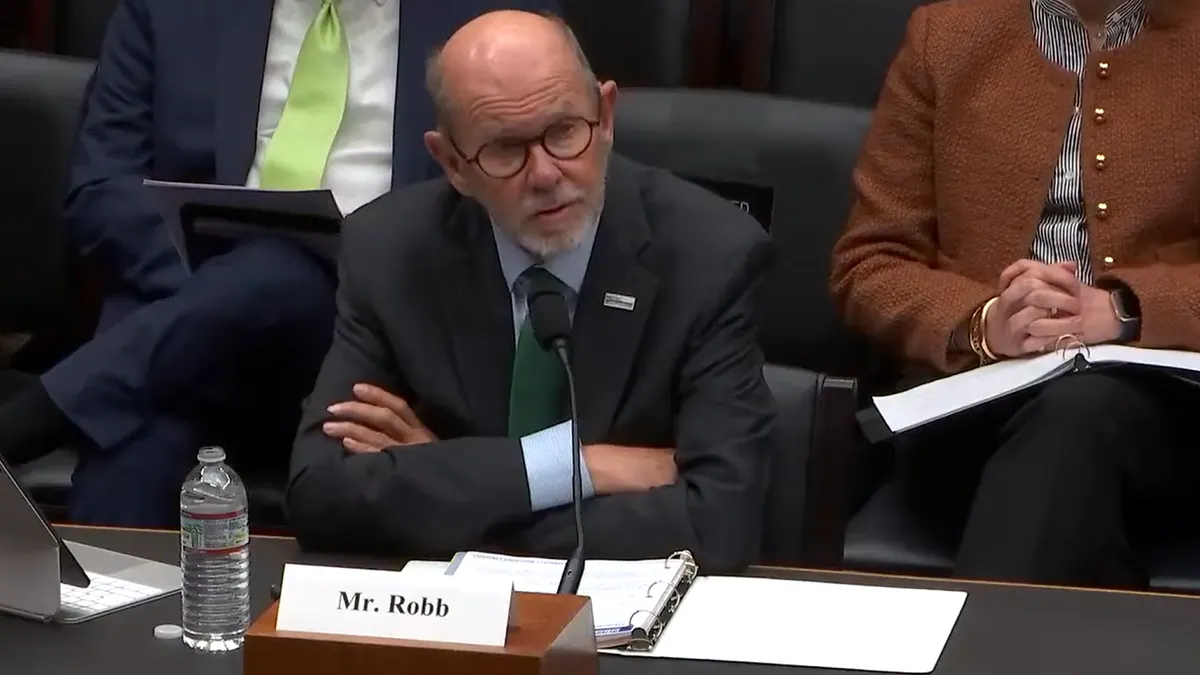
Jim Robb is president and CEO of the North American Electric Reliability Corp., and chairs the Group of Experts on Cleaner Electricity Systems at the United Nations Economic Commission for Europe.
The world is on the cusp of an amazing transition to one enabled and fueled by artificial intelligence. The United States is poised to lead this revolution on every dimension except one: electric power. And that gap should concern every American.

The U.S. has not demonstrated the ability to construct new electric infrastructure at a pace that can keep up with projected demand growth for data centers, electrification policies, demographic changes and industrial growth. The need for electric power infrastructure focuses attention on the five-alarm fire that was already burning due to lack of infrastructure investment and the disorderly transformation of the electric grid.
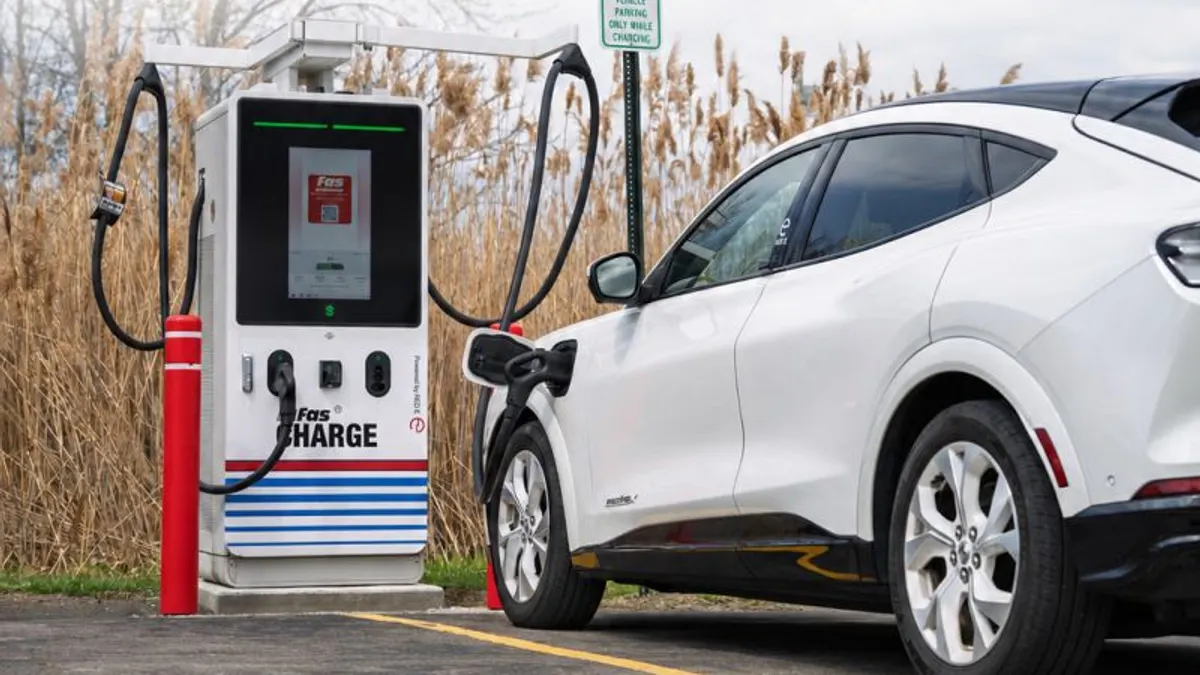
Electricity isn’t an energy source; it’s a delivery mechanism. Energy has its roots in fuel, whether fossil fuel, wind, sunshine, water or nuclear particles. The beauty of electricity is its fungibility across those fuels. From an end-user perspective, a kilowatt hour is a kilowatt hour, irrespective of where or how it was generated. Electricity represents a bit less than 20% of end-use energy consumption today but it is bound to increase. Electrification of transportation, heating and certain industrial processes will continue to add to the strain on the electric grid and must be coupled with policies that promote the development of a robust and affordable electric grid and the necessary fuel infrastructure to support.
While the physical challenges of building new infrastructure are real (for example, there is only so much manufacturing capacity to build power generation turbines and it can only be scaled up so quickly), some of the obstacles that need to be overcome are self-limitations embedded in a deeply rooted mindset formed over the past 30 years. To conquer this challenge, we must urgently shift some of our traditional mindsets:
Siting and permitting should enable responsible development
The U.S. has been adept at limiting the growth in power demand through energy efficiency programs and the natural turnover of appliances to more energy efficient designs. As a result, we built very few large infrastructure projects and developed rigorous approval processes to ensure that only the “best” projects were built.
In a new era of unprecedented demand for electricity and related consequences for national security and global leadership, societal mindsets must shift to getting more energy responsibly on the grid as quickly as possible. We must resist the urge to let the perfect be the enemy of the good.
Load needs to be an active part of the electric system
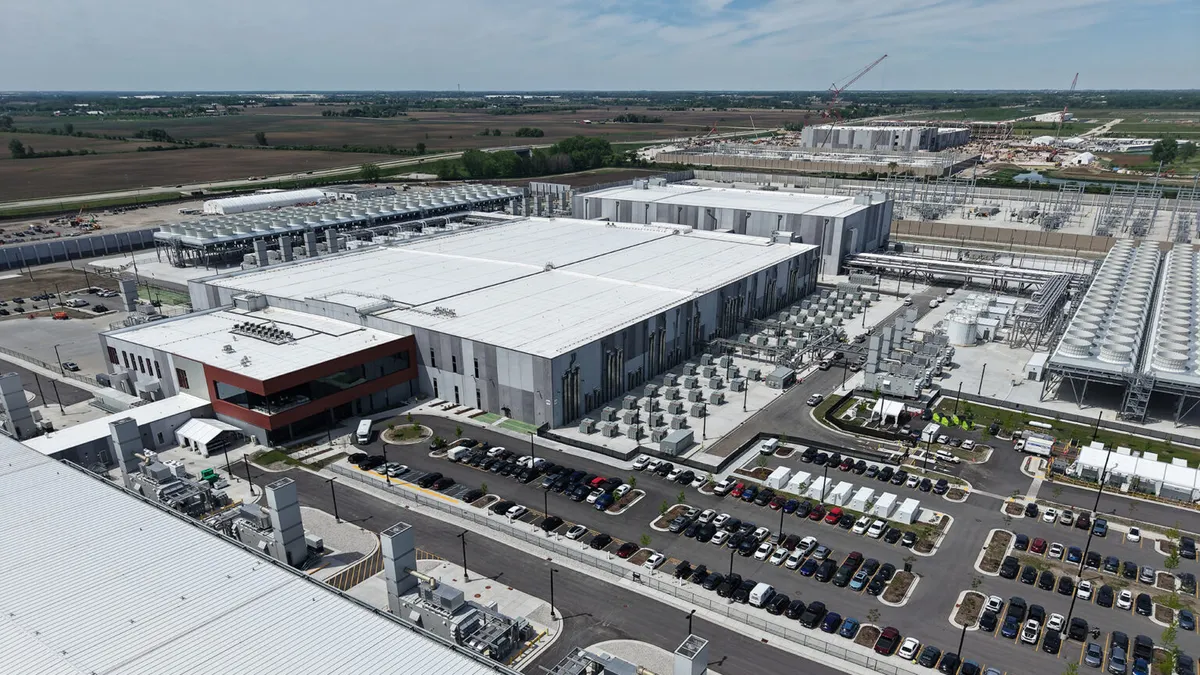
The electric sector has largely treated demand as an exogenous variable, save for a handful of demand response programs that paid large consumers to reduce their consumption when the system gets tight. With the proliferation of exceptionally large data centers with energy needs comparable to those of large cities, our electric reliability framework needs to evolve to account for their operational performance.
For example, the AI revolution cannot occur unless data centers are good citizens of the grid. Many are working on this. For example, the North American Electric Reliability Corp., the country’s electric reliability organization that oversees the bulk power system, is working at breakneck pace to figure out the criteria for identifying the most consequential large computational loads and the appropriate performance requirements to ensure continued reliable operation of the grid. The Electric Power Research Institute is developing a standardized load-flexibility framework, called Flex MOSAIC, to bring some degree of consistency in the ability to curtail the energy use of large loads when needed for grid reliability.
A reliable, resilient grid will be based on a mix of technologies
Every year, it seems, there is new analysis on the levelized cost of energy from various power generation technologies, and policymakers in many areas choose to focus on the development of the lowest cost resources, currently solar and batteries. However, the cost of reliably integrating these inexpensive technologies goes far beyond the resource selection.
All generating resources and fuel types have positives and negatives associated with them. For instance, while solar and batteries are inexpensive and easily procured, solar requires sunshine that is not consistently available, and storage relies on charging during periods of energy surplus. These resources are exceptional technologies in sunny parts of the country and in the summer, but they struggle to make meaningful reliability contributions in cloudier parts of the country and to serve electric peaks in the winter (which typically occur before the sun rises and after the sun sets). Similarly, natural gas generation provides extraordinary flexibility for balancing variable production generation like wind and solar but gas delivery for power generation can be curtailed under tight conditions. Hydroelectric production depends on rainfall, nuclear plants need to be refueled, coal piles can freeze and the wind doesn’t always blow. And so on …
A sustainable, reliable and cost-effective grid will require a mix of technologies, some low cost and others that may be more expensive, to deliver against society’s expectations. Such a grid will not only produce reliable amounts of electricity but also provide for voltage and frequency control necessary for operating a stable high voltage transmission system that will benefit society today and long into the future.
The societal benefits of grid investment must be weighed alongside costs
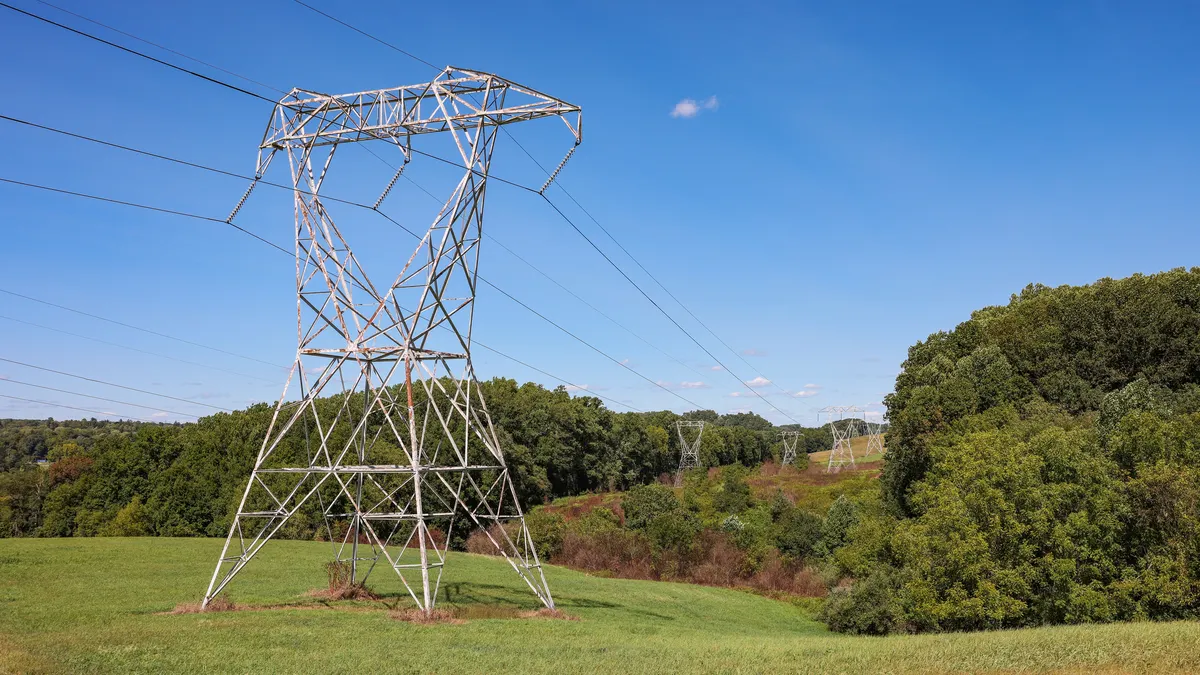
There is little doubt that affordability concerns are real for many Americans. At the same time, there is a very real need to invest in our electric infrastructure for the anticipated growth coming down the pike, as well as to continue to support the lifestyle we have grown accustomed to. Recent industry forecasts have projected that more than $1 trillion is needed to modernize our grid and enable growth over the next four to five years.
It is worth noting that much of our current electric infrastructure was supported by the rapid industrialization of the country that took place during and after World War II. We should view investment in the electric grid as an investment not just for today, and not just for AI and data centers, but for the longer-term needs of our society.
There are real challenges ahead but, at the end of the day, we must all recognize the generational opportunity ahead of us, shifting from the mindsets that served our parents and grandparents well to those enabling the future we must build for our children and grandchildren to flourish in.