Michael Levy is a partner and U.S. utilities lead at management consulting firm Baringa. Sarah Pearl is a senior consultant at Baringa.
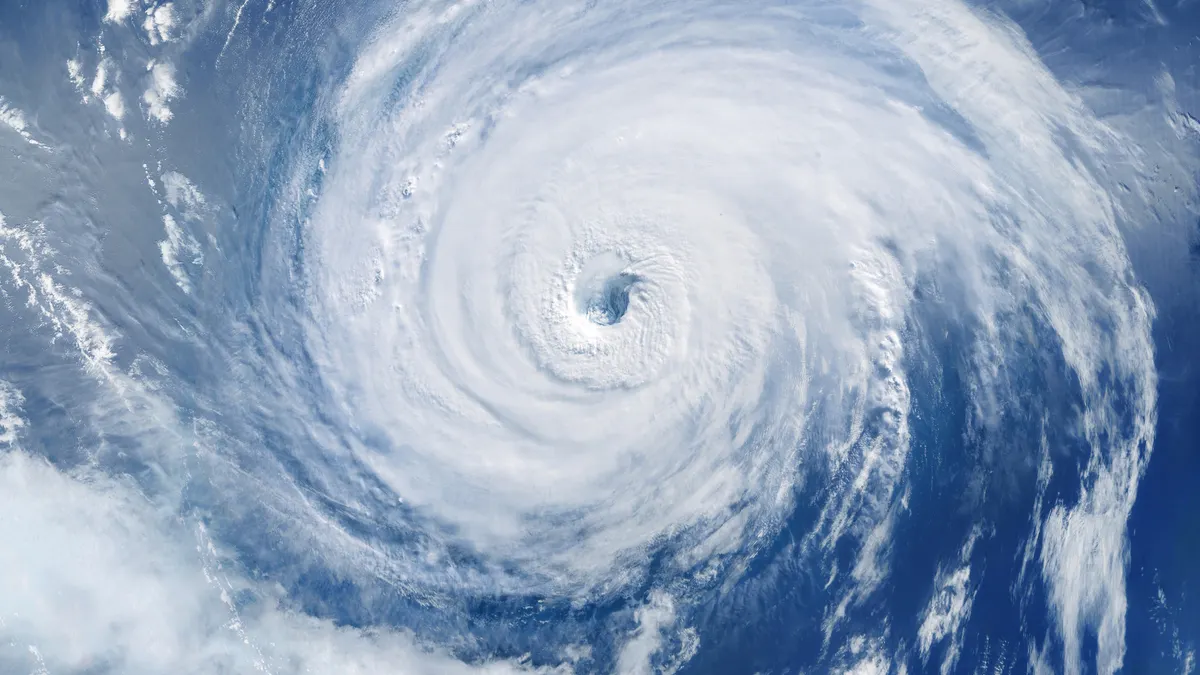
The debate around adding a Category 6 hurricane to the current scale picked up traction following recent storms that have pushed the upper limits of how hurricanes are measured.
On October 28, 2025, Hurricane Melissa made landfall in Jamaica as a powerful Category 5, with sustained winds of 185 mph — well above the Saffir-Simpson Hurricane Wind Scale’s minimum threshold for a Category 5.
While an official Category 6 designation would set a new benchmark, the underlying risk is not new by any means.
Utilities are already facing more frequent and more intense storms that don’t fit neatly into existing frameworks. The real question isn’t whether a Category 6 designation will be adopted, but what increasingly extreme weather means for grid resilience and long-term planning.
Hurricane categories are based exclusively on wind speed, with sustained maximum winds of 74 to 95 mph defined as a Category 1. But wind speed is only one of several factors that determines how destructive a storm might become. Storm size, forward speed, rainfall and storm surge can all significantly influence overall impact. As a result, a large, slow-moving Category 3 hurricane can be far more destructive than a faster-moving Category 5 hurricane.
Superstorm Sandy in October 2012 is a prime example. Although it made landfall as a Category 3 hurricane, its enormous size, storm surge and widespread flooding drove catastrophic damage across the Caribbean and the East Coast. Sandy became one of the costliest natural disasters in U.S. history, demonstrating that a hurricane’s impact is not determined by wind speed alone.
What would a Category 6 hurricane look like?
The Saffir-Simpson scale was developed in the 1960s, and the severity of climate-driven weather events has increased significantly since then. A 2024 study by hurricane researchers proposed that storms with sustained winds exceeding 192 mph could warrant a new Category 6 designation.
However, some experts caution that introducing a new category could create confusion among a public that has long viewed Category 5 as the upper limit of hurricane intensity and potentially diminish perceptions of the risks associated with Category 5 storms.
Patrick A. Harr, hurricane expert and fellow of the American Meteorological Society, explains that a “Category 6 rating for hurricane intensity can serve as a communication strategy to alert the public and policymakers that their past actions are likely inadequate responses to future storms.”
“Provided that the messaging surrounding the addition of a Category 6 intensity rating focuses on the need to be aware that past conditions are no longer relevant to future conditions with respect to the most intense hurricanes, and the new category does not affect the lower categories, there is benefit to increasing public awareness to new levels of risk until a more appropriate and holistic measure of compound risk from hurricanes is adopted,” he added.
Why storm categories don’t drive grid planning
While the category system provides a simple reference point for the public, it has limited value for infrastructure planning. Because it focuses only on wind speed, the system can understate the real risks posed by slower, larger, wetter storms, and the compounding effects of multiple climate hazards.
Many meteorologists and experts argue that the National Hurricane Center should not simply add a Category 6 but instead replace or supplement the current system with an entirely new scale that communicates the totality of a storm's risks, Harr also said, “particularly the immense compound threats from flooding due to storm surge and rainfall.”
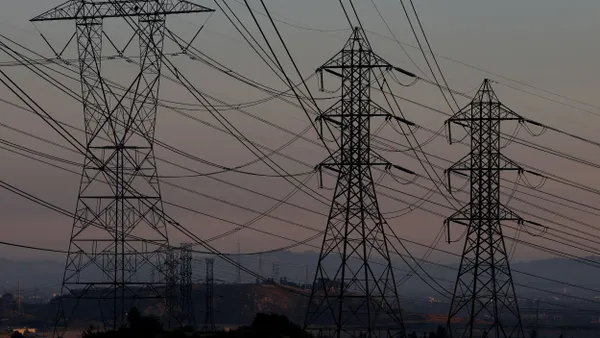
For utilities, the concern is not the label assigned to a storm, but the specific conditions it creates, including flooding, prolonged exposure and cascading infrastructure failures. Storm categories can be misleading when used as a proxy for grid impact. Even if a Category 6 designation were added, the framework would still be a blunt instrument for grid planning.
Grid impacts are not solely a function of storm intensity; they also depend on underlying system vulnerabilities, including asset age, system configuration, topography and restoration complexity.
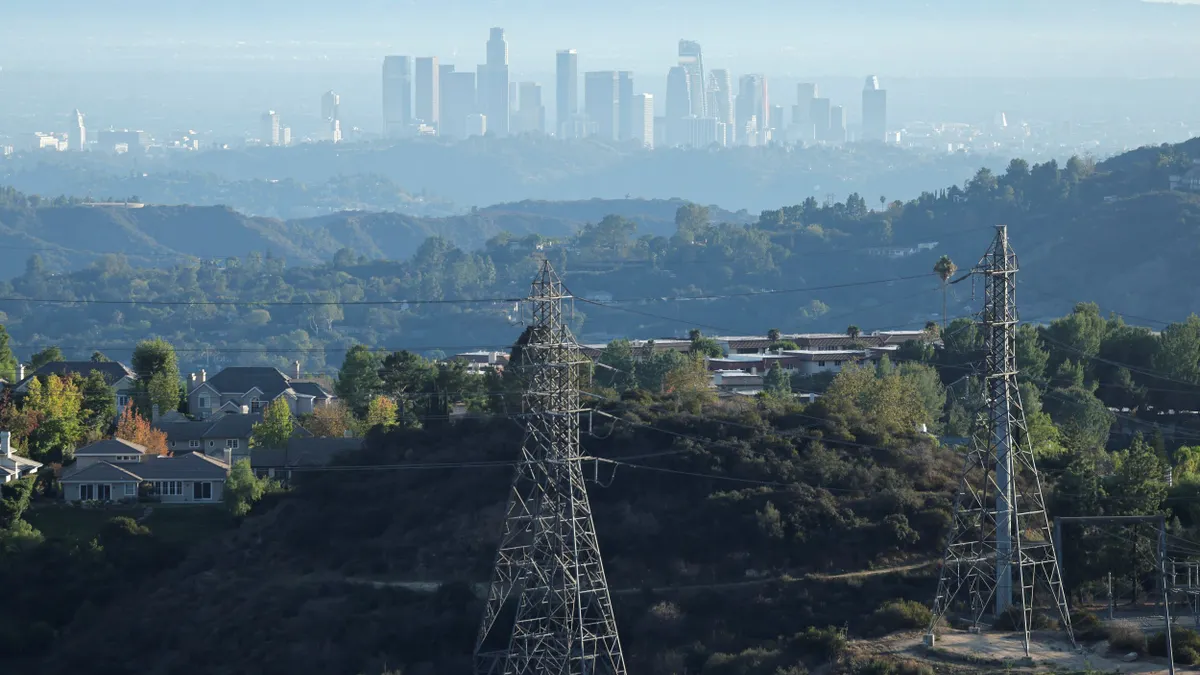
Historical data alone isn’t enough to guide investment and resilience planning. As El Niño develops, that might become especially evident this year in regions like Southern California that don’t typically experience heavy storms and hurricanes.
During an El Niño, the primary impact on the eastern and central North Pacific Ocean is an enhanced hurricane season, “marked by a notable increase in the number and intensity of tropical cyclones,” Harr explains.
“Years with a strong El Niño see hurricane activity over the central and eastern North Pacific boosted by an average of four additional storms, two to three more hurricanes, and one to two more major hurricanes, Category 3 or stronger, compared to historical averages,” he says.
Harr also points to an unusual marine heat wave in the eastern North Pacific that is occurring alongside El Niño conditions. According to Harr, the combination of these two factors could provide additional energy for hurricanes, allowing some storms to maintain their strength farther north than they otherwise would. As a result, northwestern Mexico and parts of the southwestern U.S. could face elevated storm risks compared to historical norms.
Many utilities still rely heavily on past storm patterns, effectively chasing last year’s storms rather than preparing for what lies ahead. While historical performance remains important, it’s no longer enough.
Utilities should incorporate forward-looking climate projections into planning processes to better understand how risks may evolve over the lifespan of grid assets. Otherwise, assets may be properly designed for near-term conditions but ill-suited to emerging risks later in their operational lives, leading to higher costs and potentially premature replacement.
Utilities should also monetize risk to prioritize investments on a common basis. Reliability, resilience and capacity challenges often compete for limited funding, and converting different risks and benefits into a common economic framework can help utilities identify which investments deliver the greatest value to customers and the system.
Equally important, resilience should be measured during major events, not just blue-sky days. The majority of customer harm now occurs during extreme weather, yet most reliability metrics and reporting exclude those events.
Regulators should require utilities to conduct assessments of how effectively the grid recovers from major disruptions. The focus should remain on customer outcomes rather than infrastructure inputs. Resilience is not measured by dollars spent or assets installed, but by fewer outages, faster restoration and reduced customer harm when extreme weather strikes.
Utilities can also strengthen resilience planning through counterfactual analysis, which helps demonstrate the value of investments by measuring impacts that never occur. Comparing observed outcomes against what likely would have happened in the absence of an investment provides a more rigorous way to quantify benefits, validate resilience measures and refine future strategies.
As storm behavior changes, planning frameworks need to keep pace with evolving risk profiles. Current approaches often underestimate how risk is changing over time, from storm intensity to geographic exposure.
The priority is not designing specifically for a Category 6 event, but rather building systems that can withstand a wider range of future scenarios. The utilities best positioned for the future will be those that plan beyond historical assumptions and proactively prepare for risks that may look very different from those they face today.