


Last month, protesters angry over high electricity costs disrupted a Las Vegas conference of executives for the nation's biggest investor-owned utilities — a vivid example of growing public outrage that has forced the industry to again defend their legally guaranteed profit margins.
As affordability concerns increase political pressure, several states have taken steps to lower utilities’ return on equity, either through regulatory or legislative action. Consumer advocates say these measures are long overdue, while utilities say suppressing their ROE could impact their credit rating, which would carry over into higher customer costs.
It is possible the combination of how vital electricity has become in the 21st century and its rising cost in the 2020s could lead to a turning point at this moment in the acceptable level of utility profits, experts told Utility Dive.
In a potentially pivotal and soon-to-be-decided Maryland rate case, utility executives said the matter should be left to state regulators, while consumer advocates said regulators should lower the utility’s profits closer to its costs for serving its customers.
Utilities in the hot seat
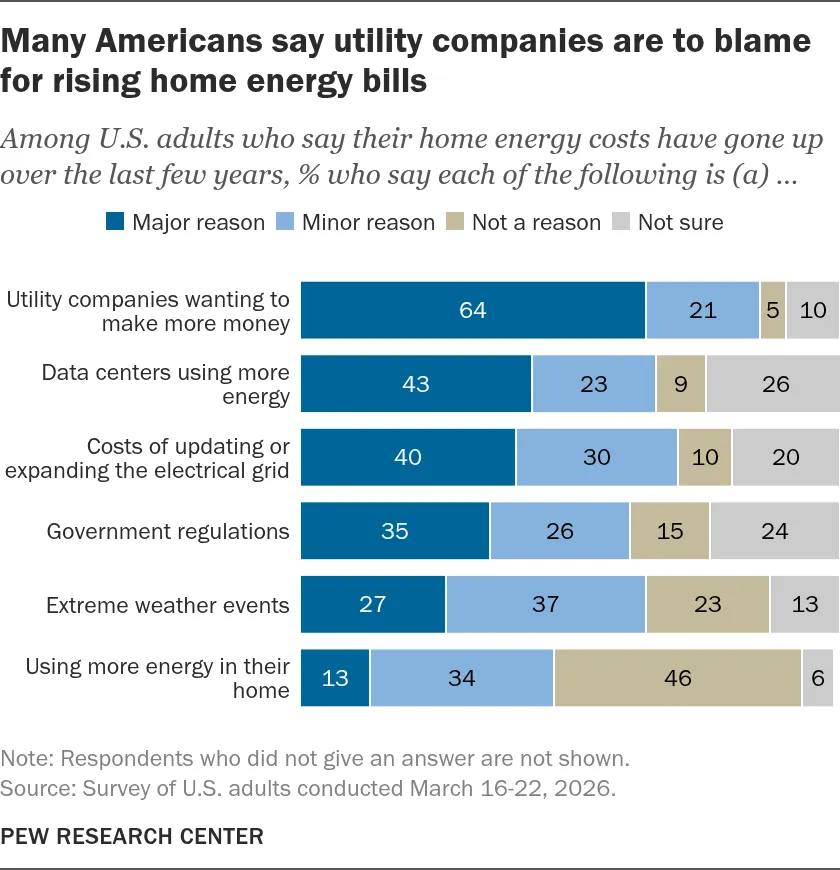
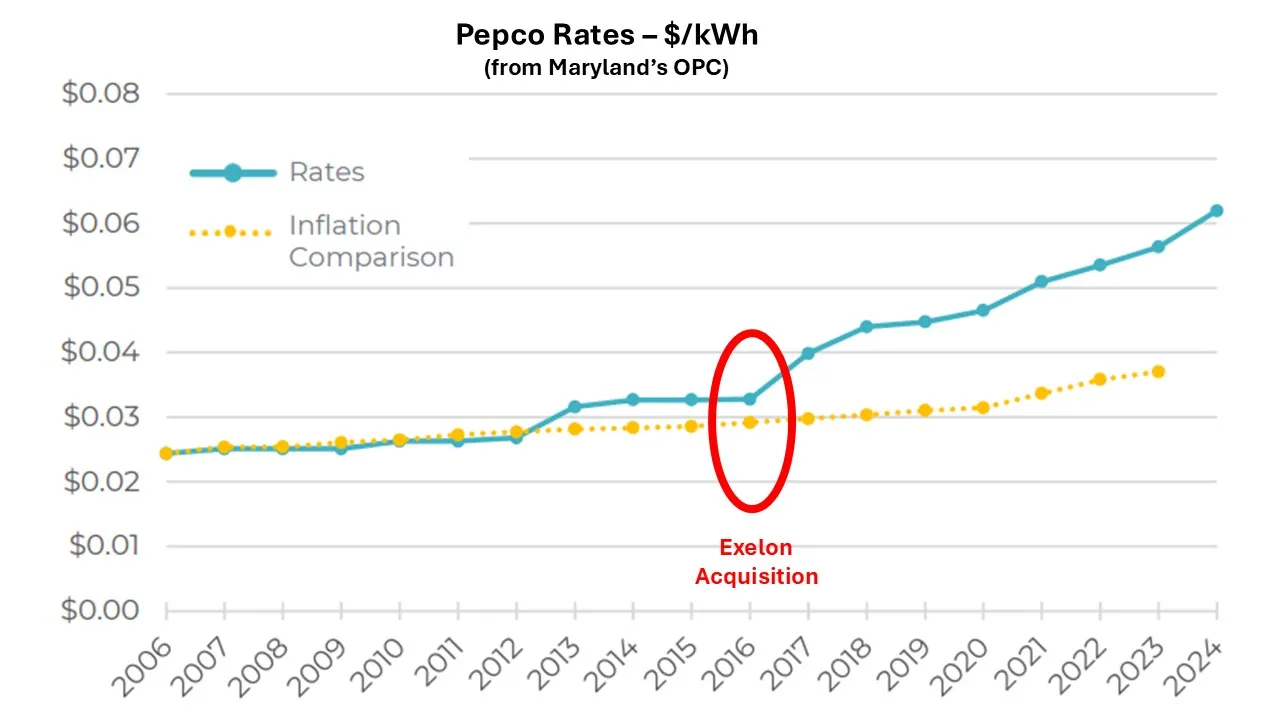
Affordability has become a more pressing issue as national average electricity prices have outpaced inflation, and many people blame utilities. A March Pew Research poll found 85% of respondents saw utilities “wanting to make more money” as a reason for increased home energy prices.
The impact of profits is not only a matter of public perception. According to a series of reports from the Lawrence Berkeley National Laboratory, prices charged by investor-owned utilities, which represent about 70% of national electricity sales, are higher and have risen faster compared to public utilities without strong profit motives.
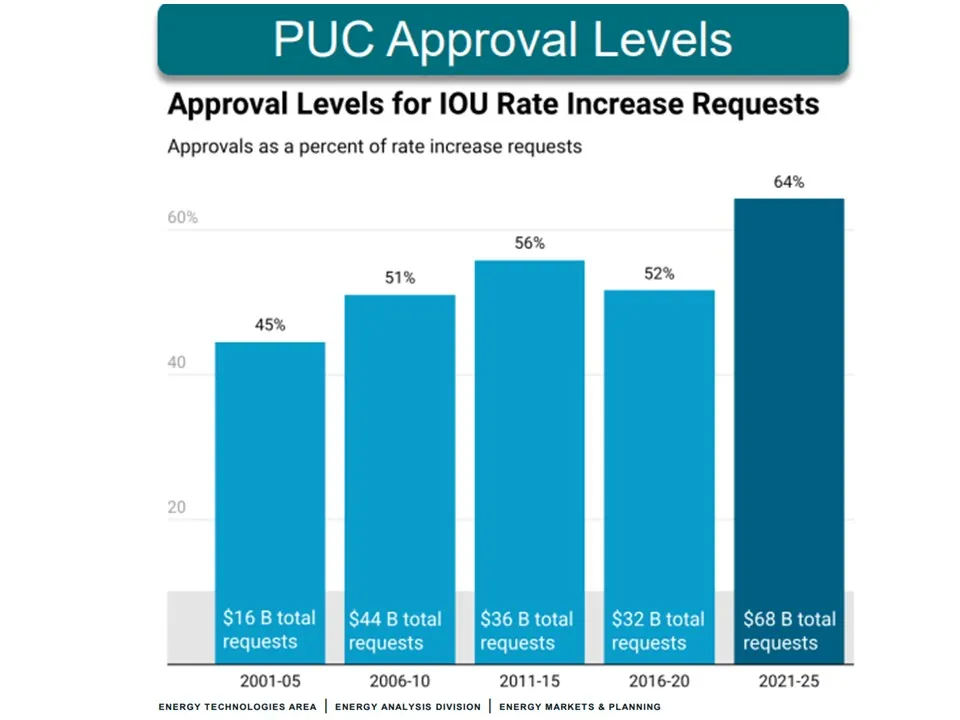
The reports also found that IOU revenue requests are higher than they have been in decades – totaling $18 billion last year – and that over the past five years, regulators have approved, on average, 64% of the dollar value of these increases, compared to an average of 52% over the previous two decades.
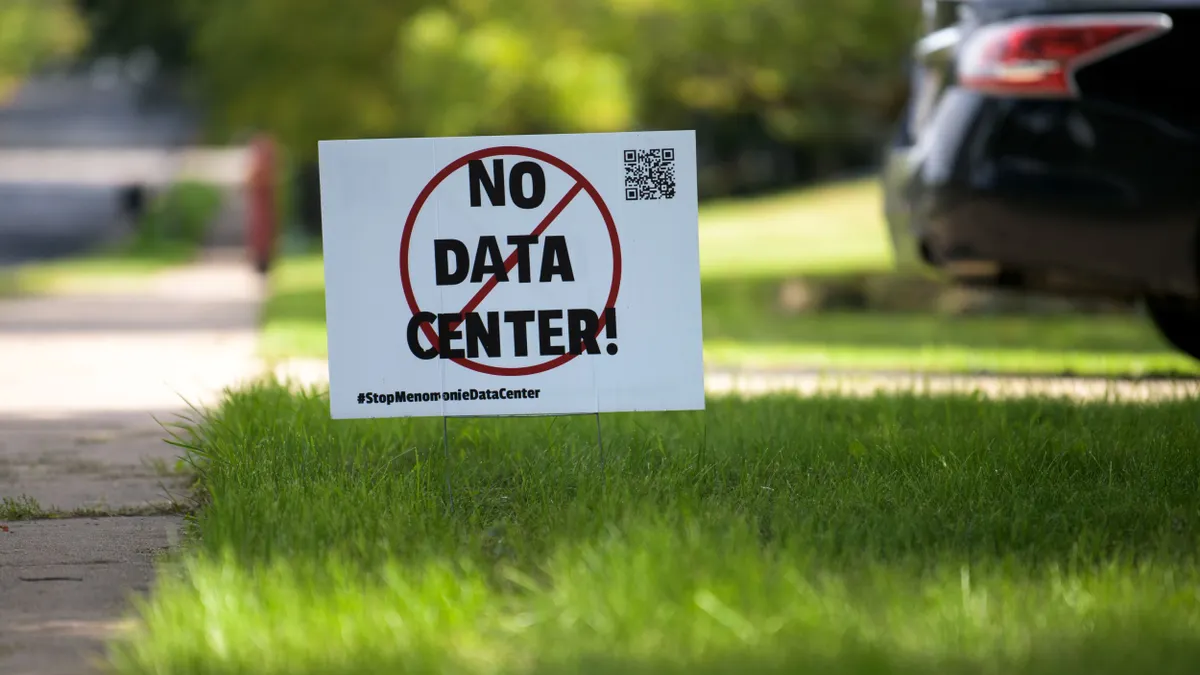
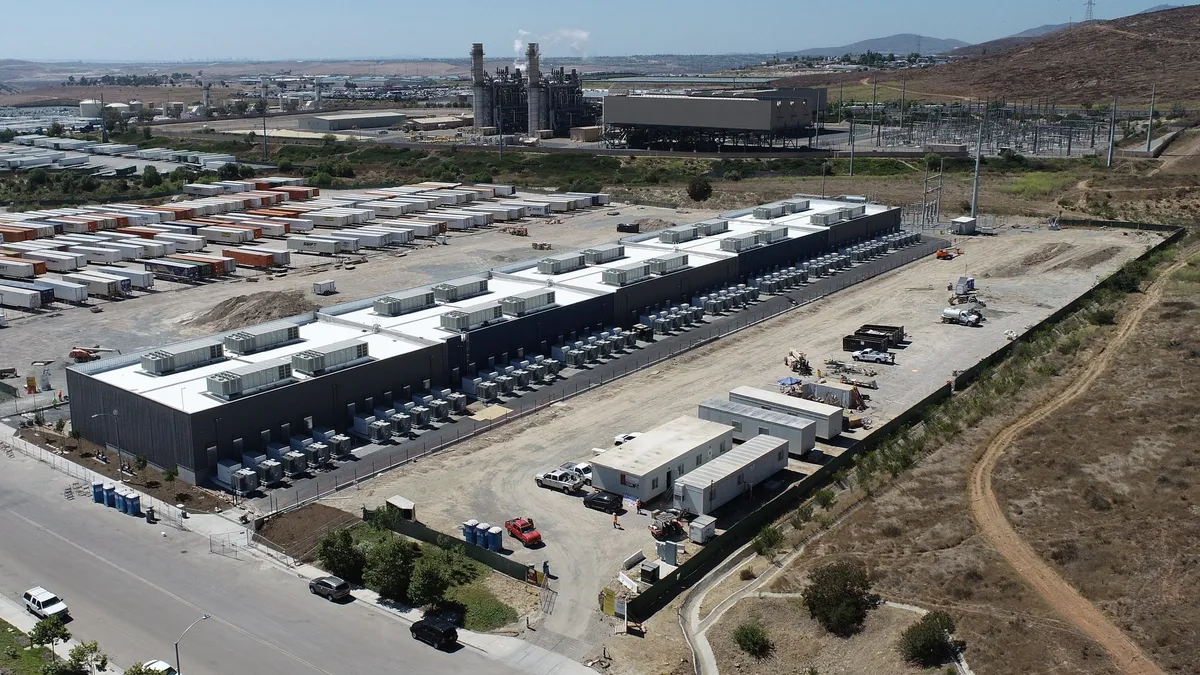
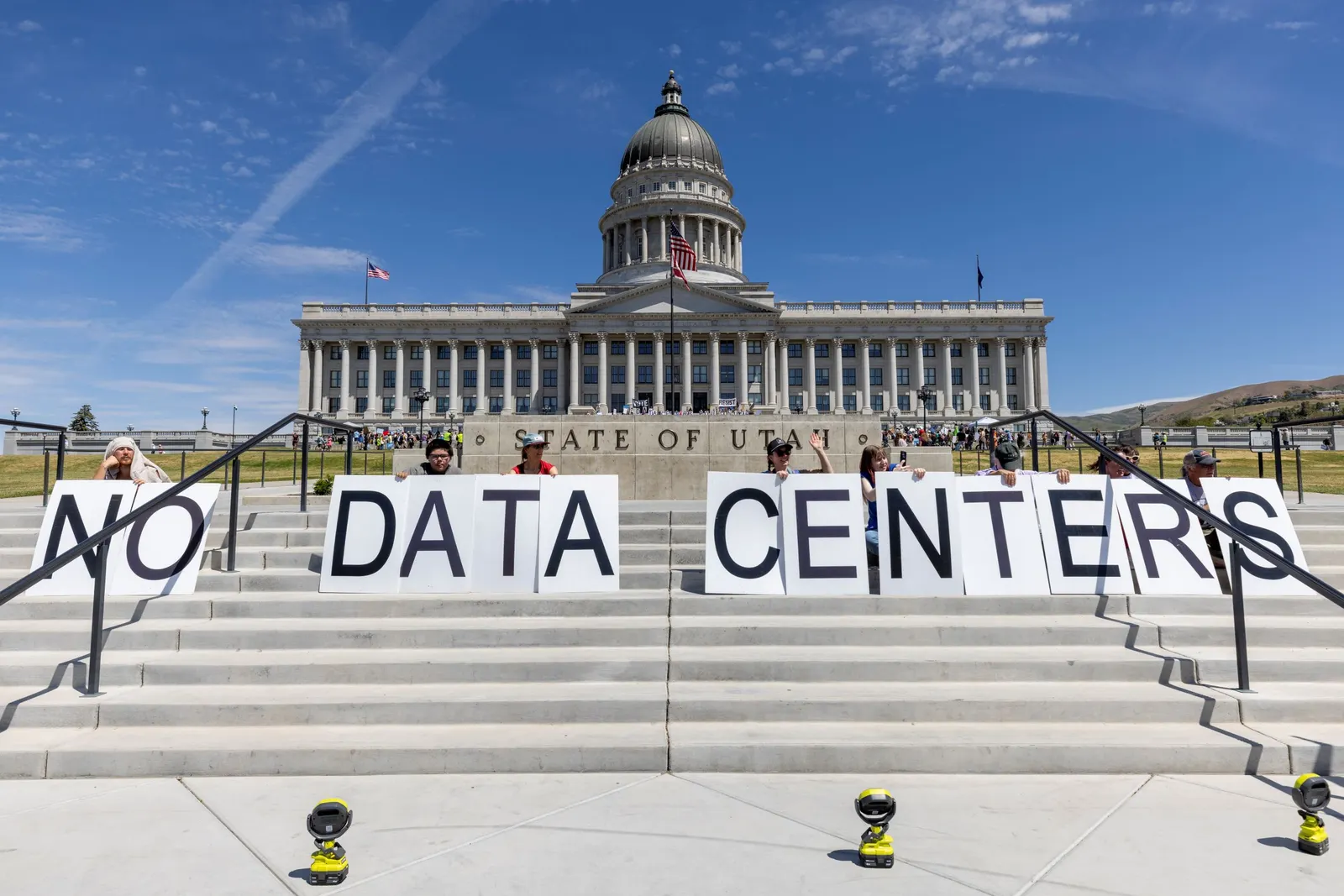
Energy affordability concerns have also merged with popular backlash to data centers and their huge resource demands. The resentment has stirred up a large, receptive audience for consumer advocates questioning the regulated utility profit model.
Utility profit margins are set by regulators around the country and averaged 9.7% in 2025, while fluctuating from 9% to 10.5%, according to Synapse Energy Economics. Unregulated economic sectors have ROEs within, far above, and far below that range, but do not have the obligation to serve and are not required to seek approval for their profits like regulated utilities, according to the Regulatory Assistance Project’s 2016 Guide.
ROEs are a matter for state utility regulators, said Dani Marx, spokesperson for the Edison Electric Institute, the trade group for U.S. investor-owned utilities and utility holding groups.
"Independent state regulators work through open and transparent proceedings to evaluate infrastructure needs,” Marx said.
Utility infrastructure often includes “an equity component, including a return on equity, to attract sufficient investment to fund these projects,” she added.
In December, California regulators lowered the ROE for its three largest investor-owned utilities by 0.3 percentage points each. Several states, including Pennsylvania, are weighing legislation to tie utility ROE to 10-year Treasury bonds, among other reforms.
ROEs get political
Some states, like Maryland, have begun chipping away at utility returns by passing laws requiring power companies to join regional transmission organizations in order to do away with so-called adder – additional ROE the company earns on transmission for being a voluntary member.
Meanwhile, state leaders in Virginia, New Jersey and Pennsylvania have asked regulators to consider rate requests carefully, signaling they may take more direct action in rate cases.
The issue has also gained momentum in Congress. Rep. Greg Casar, D-Texas, has gathered more than 20 cosponsors for the Lowering Utility Bills Act (H.R. 8568). The bill would require a utility to “calculate the return on equity at the lowest return on equity in an established range of reasonableness” determined by its regulators.
Reducing utility profits “saves all electricity users money on their bills,” said Mark Ellis, a former chief of strategy and economics with Sempra who now works as an independent consultant.
In his opinion, today’s utility profits are “an unjust enrichment of utility investors at the expense of customers,” he added.
Utilities argue their profit margins must be set high enough to attract capital at low interest rates, which saves their ratepayers money in the long run while allowing utilities to maintain grid reliability.
If a utility’s authorized returns “are below those of comparable utilities, its ability to attract capital is at risk,” said Robert Leming, vice president of regulatory policy and strategy for Pepco Holdings, which is now engaged in a regulatory debate over profits at the Public Service Commission of Maryland.
Utilities need that capital “to provide safe and reliable service for customers,” he told Utility Dive in an interview.
An ROE case study
Some say the AI boom has introduced bottlenecks that are forcing utilities to consider alternatives to building, but others worry that the opposite is happening, and the hype cycle is fueling ill-conceived spending that will be on ratepayer bills for decades.
The current Pepco rate case offers an illustrative example of the state of the debate. The utility has proposed an ROE of 10.5%, an increase from its current 9.5% allowed ROE. The Maryland Office of People’s Counsel has proposed 7.7%.
The head of the OPC, David Lapp, told Utility Dive that many of the utility’s recent infrastructure investments could have been deferred.
“Pepco is investing too much too fast and not in things that are cost effective and needed going forward,” Lapp said.
Pepco Holdings’ Leming disagreed. “Maryland’s ambitious climate and electrification goals require investment to modernize and upgrade the system,” he said.
Ellis, Lapp and others see high utility ROEs as a perverse incentive because it biases utilities toward expensive investments that add to a utility’s base of financed costs that earn ROEs and increase rates.
In addition, Lapp argues Pepco’s ROE is “inflated” by a financial strategy called "double leveraging," involving Exelon Utilities, Pepco’s parent corporation and only investor.
OPC contends that Exelon’s lower cost debt is being used by Pepco as higher cost equity, allowing it to borrow more lower cost debt.
Double leveraging “is not illegal if regulators approve it,” Lapp said. But if Pepco counts Exelon’s debt as equity in its capital structure, it raises the total ROE and, as a result, customer rates, he added.
“The original focus on balancing cost-of-service and earnings anticipated regulators would substitute for the forces of competition, and that has been lost."

Karl Rabago
Former Texas utilities commissioner
“Exelon’s role does not change Pepco’s ROE needs,” Pepco consultant Adrien McKenzie told Maryland commissioners. Equity to support Pepco operations “must be raised in the capital markets,” based on returns competitive with “risk-comparable alternatives,” he added.
If Exelon debt to be paid back in 10 years is invested by Pepco in 50-year assets, Exelon would not be reimbursed soon enough to meet its debt, Pepco’s Leming added.
To justify the proposed 10.5% ROE, McKenzie presented multiple quantitative analyses and “a proxy group of risk-comparable electric utilities.” Credit ratings for Pepco of Baa1 from Moody’s and A- from S&P were central to his conclusion, McKenzie testified.
“Rating agencies and potential debt investors tend to place significant emphasis on maintaining strong financial metrics,” McKenzie told the commission. And this emphasis on financial metrics and credit ratings is shared by equity investors, he added.
Pepco’s Leming told Utility Dive he is focused on utility operations.
“Affordability is one of Pepco’s top priorities right now,” he said. Recent rising rates are linked to investments that have made Pepco highly ranked for customer satisfaction, he added.
But Pepco must be adequately funded to meet today’s “unprecedented” demand with new infrastructure, Leming continued. “That underscores the importance of having a competitive ROE to attract capital,” he said.
Lapp said his focus is customers.
“Everyone agrees investors in utilities should have the opportunity to earn the same return as an entity with a comparable level of risk,” he said. “But Pepco’s proposed 10.5% ROE is unfair to customers because its cost of equity is not just a little bit less, but significantly less.”
A ruling on Pepco’s ROE is expected in August.
Finding solutions
Reducing ROE can in fact impact a utility’s credit quality. Several Connecticut utilities, including Eversource and Avangrid, saw their credit ratings downgraded by credit agencies citing an inconsistent and unsupportive regulatory environment.
But that impact can be offset, Ellis said. “Increasing the equity portion of the debt-equity ratio and lowering the ROE produces ratepayer savings” without significantly altering the utility’s credit ratings, he added.
Ellis is a proponent of “competitive direct equity” as the “structural and political solution,” he said. “It would replace administratively set ROEs with a supply and demand-determined cost of equity through a competitive auction that would fundamentally change the utility incentive structure,” he explained.
In today’s rate cases, ROE determination “is a charade that is not calculated consistently or accurately,” Ellis continued. “The utility says it should be 11% and the consumer advocate says it should be 9% and the regulators compromise at 10% and move to the next proceeding.”
Utilities are accustomed to obtaining satisfactory ROEs through rate cases adjudicated by their state regulators and have no widely proposed alternative political solution. They warn regulators that reducing working capital puts reliability at risk.
But utilities’ rate case filings, like Pepco’s, typically include complex formulas for calculating ROE that overwhelm regulators and conclude that the utility needs an ROE increase, said Karl Rabago, a former Texas utilities commissioner and a frequent rate case intervenor on behalf of consumers.
“The original focus on balancing cost-of-service and earnings anticipated regulators would substitute for the forces of competition, and that has been lost,” Rabago said.
In a statement, an Exelon spokesperson said the company shares customers' concerns about affordability.
“Characterizing rising customer bills primarily as a function of utility returns overlooks the fundamental challenge facing the energy sector today: electricity demand is growing rapidly while the supply of reliable generation is not keeping pace,” the company said. “Meeting the nation's growing energy needs will require both investment in new generation resources and continued modernization of the electric grid. We remain focused on making customer-focused investments, managing costs responsibly and delivering the safe, reliable service our communities depend on, and we look forward to continuing to work with stakeholders to be part of the solution."
This story has been updated with a comment from an Exelon spokesperson.