
To meet the demands of the electric grid, utility companies are searching for ways to improve efficacy. With rolling power outages causing increased stress on the electric grid, utilities are feeling the pressure to find solutions. One efficiency-boosting method utilities can implement is the early integration of engineering and construction within the engineer-procure-construct (EPC) delivery model. While integrating engineering and construction can happen during any utility project, collaboration is often more seamless in an EPC model. This coordination results in smoother and more successful project execution — achieving reduced costs, accelerated schedules and better project performance.
Integration of engineering and construction on utility projects offers several significant benefits to both the project team and project’s owner. Without such coordination, utilities are at risk of experiencing inefficiencies in project delivery, including possible schedule delays and disrupted material procurement.
For example, a utility owner may not have the capacity to manage all the subcontractors working on a project. By delegating all tasks to an EPC contractor, only one contractor needs to be managed — a single contractor to oversee everything from design through right-of-way acquisition, ordering of materials and construction. When an integrated EPC team is incorporated, resources are efficiently used and construction is executed cost-effectively.
Teamwork and Collaboration
Introducing construction personnel to the engineering team and sharing input during introductory project stages establishes honest communication. Team building through regular meetings and open forums to resolve inquiries helps contractors feel more comfortable reaching out for clarification. Developing team camaraderie strengthens problem-solving capabilities and empowers collaboration as challenges arise. For example, a delay in procurement can be solved much faster by a team of people who are connected early in the project cycle.
The EPC model enables the engineering team to receive input in the early stages of a utility project from contractors who will be responsible for the construction. This helps make necessary changes before construction begins, as making design changes in already-built areas can be complicated, difficult and costly — in terms of materials, labor and schedule delays. An example of an EPC benefit would be a construction contractor making multiple suggestions to verify that design and construction are aligned; these requests are much simpler to accommodate early in the project.
Additionally, enabling the engineers and construction team to coordinate early establishes effective communication that can deliver value throughout the project. Transparent and frequent feedback between teams identifies faults, determines possible improvements and bolsters constructability.
Cost Savings
Coordinating utility project teams can help reduce overall project costs. Construction labor is typically the highest expense in utility projects, so early input from the construction team can significantly affect the bottom line. Immediate integration allows both teams to incorporate each other's feedback before procuring materials and equipment. Additionally, the EPC model focuses on a better-informed initial design, preventing costly changes during construction.
Accelerated Schedule
The EPC delivery model provides continued communication and integration throughout the life cycle of a project. The project team can collaborate in identifying time-saving activities during both design and construction. Early coordination gives the opportunity for the engineering team to release partial design packages; this allows the construction team to reduce the number of days or weeks predicted for the timeline.
The EPC model most commonly accelerates a project schedule when a utility owner is aware of an upcoming project but has limitations on when it can be approved. That utility owner can partner with an EPC contractor to develop initial pricing and schedules for all parts of the project from design to construction. When the project is approved to continue, the EPC contractor can finalize the design and purchase materials, ultimately starting construction earlier.
EPC Solutions in Action
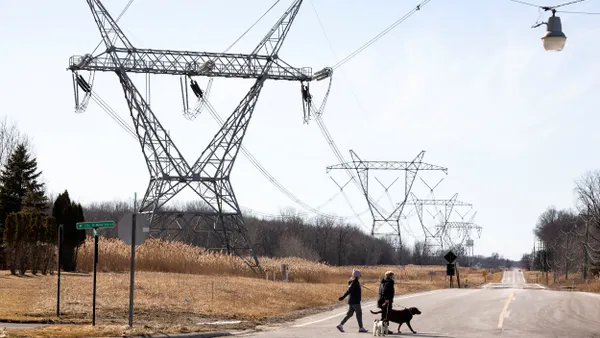
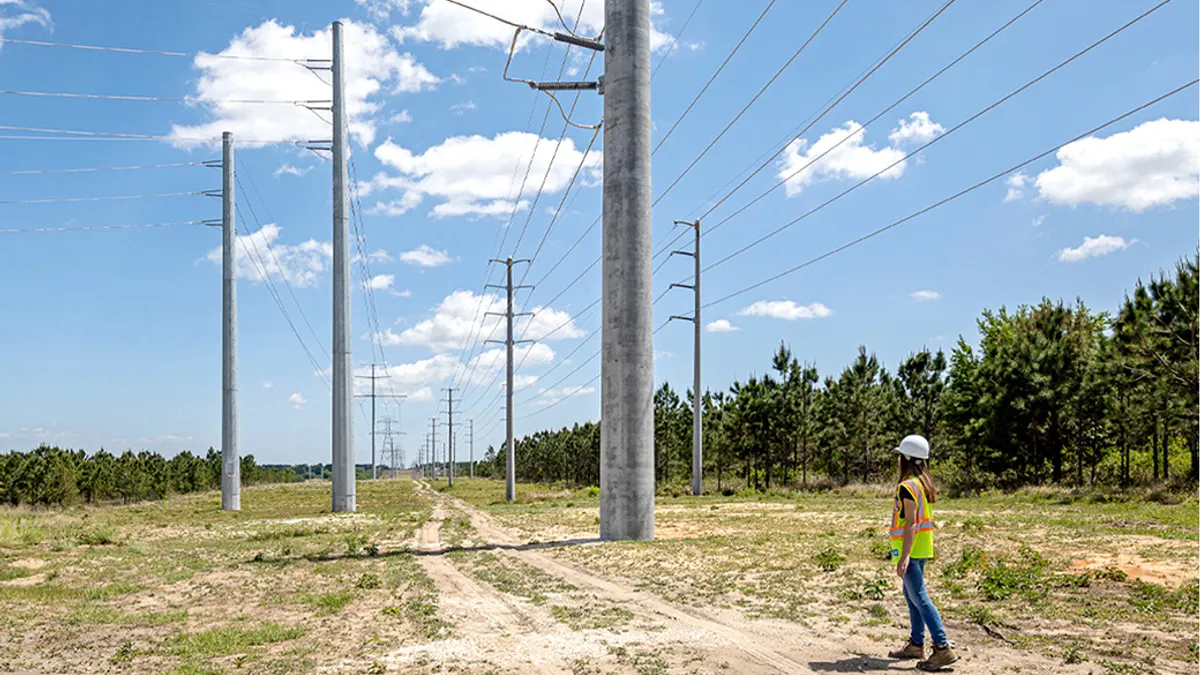
While working through the project development phase, facilitating the coordination of engineering and construction players early can benefit the overall success of a utility project. For example, a common project in the utility industry is construction of new transmission lines. Through engineering-construction integration, the project team can work through preliminary transmission line design options to execute optimally.
It is vital for the engineering team to regularly meet with the construction team to gather feedback. The engineering team can send proposed pole locations to the contractors, who could drive to the project site and take notes. The construction team is then well-equipped to propose structure shifts to locations that are more accessible and less obstructive to landowners; both considerations are important during the early design phase for transmission lines. Adjustments such as these can lead to a simplified construction process and reduced construction costs.