Alan Cooper is CEO of ON.energy, a developer of power infrastructure.
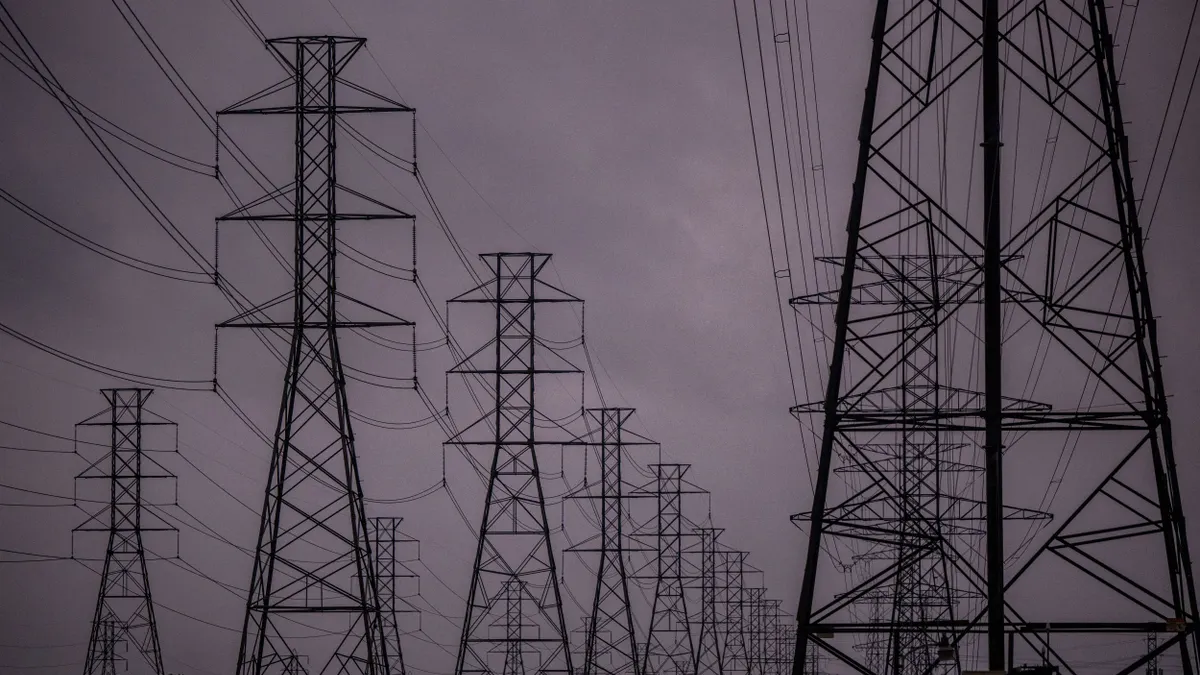
On July 22, a mechanical failure forced a 230-kV transmission line in Northern Virginia offline. Within milliseconds, grid protection systems cleared the fault, as they are designed to do. The event would not have been a particularly noteworthy story, had it stopped there. It’s what happened next, though, that pointed to a growing challenge for grid reliability.

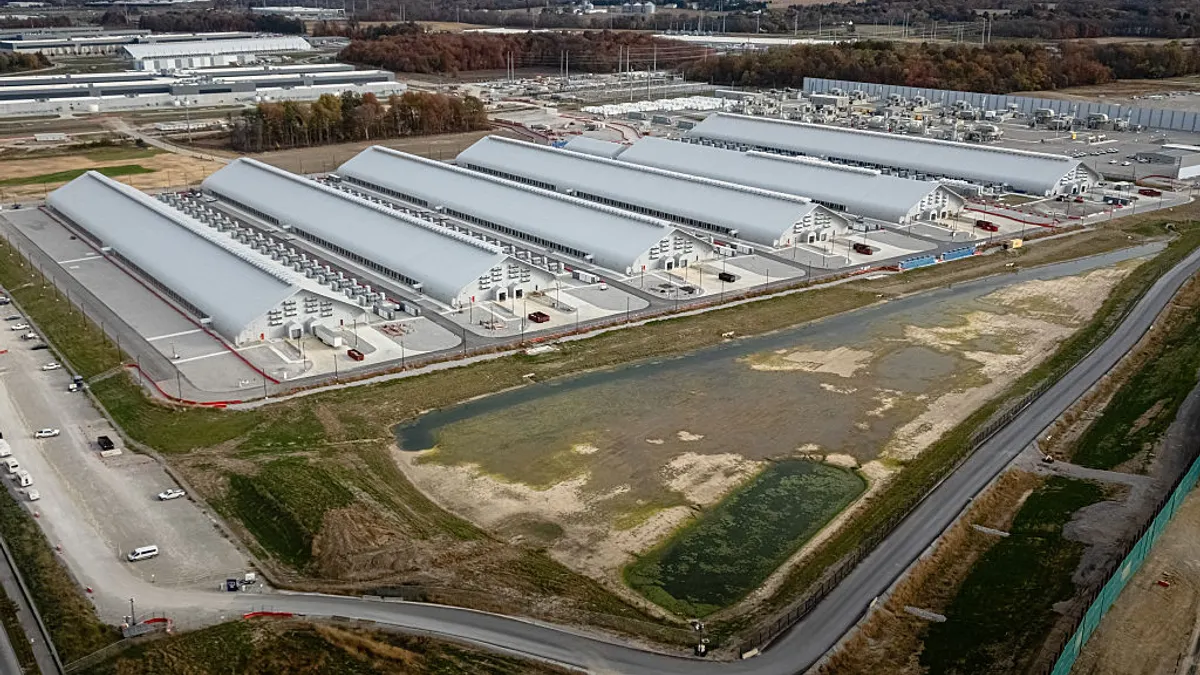
In response to the fault, data centers that had been drawing nearly 4 GW of energy, close to 4% of PJM’s load, collectively disconnected and switched to their on-site backup generation. The move sent voltage and frequency spiking across the system, a technically wonky but threatening result that caused power flickers as far away as Chicago. Thankfully, the prevailing grid conditions were strong enough to absorb the shock of the fault, so the grid held. But if the same event had hit Texas or even Northern Virginia at a time of higher demand, it could have caused a widespread outage. In West Texas, the Electric Reliability Counil of Texas estimates that a loss of as little as 3.2 GW could threaten grid reliability.
The power sector is not unfamiliar with the need for things hooked up to the electricity grid to “ride through” disturbance events. In 2023, the Federal Energy Regulatory Commission told the North American Electricity Reliability Corp. to develop requirements that inverter-based supply resources like wind and solar facilities must follow to ensure they “ride through,” i.e., stay online, during certain disturbances. And this time around, NERC, FERC and several grid regions have been quick to identify a similar need for large loads to adhere to analogous standards.
In an Oct. 14 presentation to ERCOT, Dominion Virginia confirmed that the disturbance fell within the ride-through parameters that have now been finalized or proposed by NERC and two grid operators (ERCOT and PJM Interconnection). They concluded that if those requirements had been in place, the event would have been avoided.
Clear ride-through standards protect the grid, and they protect data centers’ ability to keep connecting to it. The open question for grid operators and regulators isn’t whether to create them, but rather which facilities the rules should cover. Some proposals would exempt projects that aren’t likely to draw grid power for years. Texas took a firmer line and in doing so, gave other operators and regulators an effective blueprint to follow.
Texas’s blueprint to grid reliability
The Public Utility Commission of Texas approved ERCOT’s ride through rule and it took effect in August. ERCOT made three choices that are key to making it work.
It drew the applicability line at energization. Facilities that energize roughly 18 months or more after ERCOT’s first market notice must comply with the rule. That exempts projects that are nearly finished, with equipment already ordered or even installed, and it applies to projects that exist only on paper, which can still change their electrical design for a small share of what a retrofit would cost later.
It measured the risk in exempt capacity within a cluster. ERCOT studies ride-through risk in its quarterly stability assessments. Those studies identify the clusters of large load that could trip together and the rule limits the amount of exempted load — i.e., the amount that is not equipped to ride through disturbances within each cluster — to 3,200 MW per single fault. Its latest results flag North Texas and Central Texas as active risk areas, with far West Texas being monitored.
It made the risk transparent and predictable. ERCOT watches each load cluster’s combined consumption in real time. When a cluster’s actual demand reaches about 2,500 MW, a mitigation plan kicks in: each utility and scheduling entity gets a “not to exceed” limit based on its share of recent peak use, and ERCOT keeps the authority to curtail non-compliant load. Because ERCOT publishes the study results and updates them over time, developers can see how much headroom is left long before they hit the limit. This transparency gives them time to decide whether to install ride-through capability, change their plans, or accept the risk of curtailment.
The result is that existing data centers keep running, and projects under construction generally avoid a forced redesign or need to buy different equipment. Other grid users stay protected. The first facilities built to the new standard will connect in the coming months.
How ERCOT’s lessons apply to other grids
In general, regulators and regional grid operators across the country are right to be careful about borrowing from ERCOT. Its isolated grid and energy-only market make much of its experience hard to apply elsewhere.
This isn’t one of those cases. A data center’s response to a voltage dip is the same in Virginia, Ohio or Texas, and so is the physics of thousands of megawatts disconnecting at once. NERC, PJM and other grid operators should adopt the core tenants of the Texas approach:
- Tie the rule’s applicability to energization dates with a firm cutoff, granting exceptions only where grid conditions allow.
- Include forward-looking studies that identify where large loads that cannot ride through are concentrated and set limits for how much the grid can safely host in each area.
- Provide transparent updates on how much exempt capacity is expected to come online and how close each area is to its limits, by both average and peak consumption.
A single large-scale event would change the conversation overnight. Instead of debating exemption criteria, policymakers would be questioning if data centers can remain connected. Clear standards now are the best way to ensure the industry has a path forward.
The impact of a major event wouldn’t stop at the fence line: a multistate outage would affect the communities where data centers are concentrated and working to become good grid citizens. Proposed exceptions to ride-through requirements leave the door open for exactly the kind of event that consumers and policymakers are concerned about.
None of this protection is theoretical or depends on a technology breakthrough. Equipment to keep data centers connected through grid faults is commercially available today and already running in the field. The first facilities built to Texas’s new standard are about to come online, proving that a firm, predictable regulation can protect reliability without slowing market development. All too often, reliability problems are left lingering until there’s an emergency.
Large load ride through concerns can be solved now. The only thing missing is clear, consistent rules that protect grid reliability while providing certainty to the industry.