Dive Brief:
- Energy-as-a-service company Budderfly is seeking to expand its work with local governments by investing $500 million in energy efficiency upgrades at public facilities, the company announced last month. Municipalities repay the investment with the savings the upgrades achieve over the life of a contract.
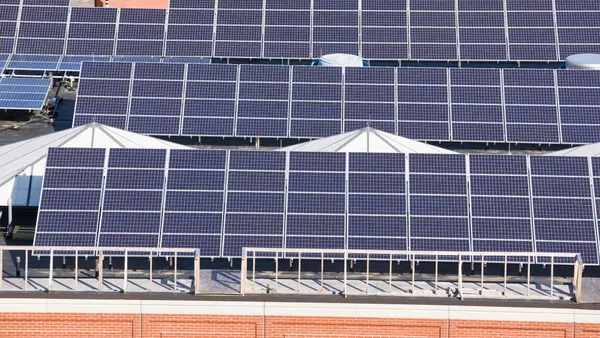
- The Modernizing American Cities program targets municipalities with about 10,000 to 30,000 residents, providing up to $5 million in up-front capital for a range of services, including upgrading HVAC units, installing LED lights, integrating smart thermostats and adding solar and storage technologies, Christian Edwards, Budderfly’s vice president of business development and strategy, told Utility Dive in an interview. The $500 million investment could equal about 100 clients over the next 12 to 18 months, he said.
- “What we see, across the country and in the work we do, is [that] even where folks did some cool project, two or three years on, they don't have head count to make sure that the solar is still performing or to really maintain all of the equipment that they put in,” Edwards said. “It's really on our side of the fence to correctly project savings targets and then to operate the equipment over time in a way that maintains that savings.”
Dive Insight:
Energy-as-a-service contracts are not new, especially for institutions like universities and hospitals, said Eric Smith, professor of practice and associate director of the Tulane Energy Institute at Tulane University. They can provide resiliency in addition to savings, he said.
He pointed to Tulane’s arrangement with Enfra, announced in 2022, in which the company paid for new energy assets and equipment, including a 1-MW solar generation facility, while the school got guaranteed annual cost savings over the 30-year term of the contract and help achieving its emissions-reduction goals.
The upgrades also make the school less vulnerable to power outages from hurricanes that regularly hit Louisiana, which ultimately helps protect students, he said.
“What you're really operating is a job shop to do that equipment optimization and manage it over some period of time,” Smith said of the services companies like Enfra and Budderfly offer.
“The way you get paid for that is to demonstrate that you're saving the ratepayer money,” he continued. “Now we have enough power on campus. We can island the campus and run the whole campus based on the power that they generate with our existing power plant.”
Budderfly’s Edwards said his company started out offering energy management contracts to small and medium-sized businesses before expanding to local governments.
Although governments have access to lower-cost financing options, municipal budget and staffing constraints are a challenge for long-term investments in energy efficiency, he said.
“There's very little appetite anywhere to increase taxes to pay for energy infrastructure,” Edwards said.
The company has already deployed the financing model in Cadillac, Michigan, where it invested $4.4 million in upgrades. Budderfly will use Schneider Electric’s energy management and automation technologies to integrate and manage the energy infrastructure improvements.
It is offering local governments a 15-year contract at a locked-in rate based on its 12- to 24-month historical use average. Budderfly becomes the utility’s customer of record and pays the customer’s utility bill, taking a cut of the savings achieved from upgraded, more-efficient equipment.
If bill savings extend beyond a 30% goal, those are shared with the municipality 50/50, Edwards said. Some contracts also have opportunities for virtual power plant programs and to share additional revenue from demand-side management programs, he added.