Samuel Thernstrom is founder and president of the Energy Innovation Reform Project, a nonprofit organization that promotes the development of advanced energy technologies and practices to improve the affordability, reliability, safety and security of American energy supplies. He is also a senior fellow at the Center for the National Interest.
In this deeply divided Congress, bipartisan cooperation on energy policy reform is unusual, although it shouldn’t be.
Americans are energy pragmatists, but that’s not how Congress typically sees things. So it’s notable that a bipartisan partnership has formed to fix a flawed element of the tax credit for new nuclear power plants.
On April 23, Reps. Pat Harrigan, R-N.C., and Jimmy Panetta, D-Calif., introduced HR 8482, Nuclear Rate Stabilization Act. If enacted, the bill would boost nuclear power plant construction while cutting costs for ratepayers by hundreds of millions of dollars by tweaking how utilities can claim an investment tax credit.
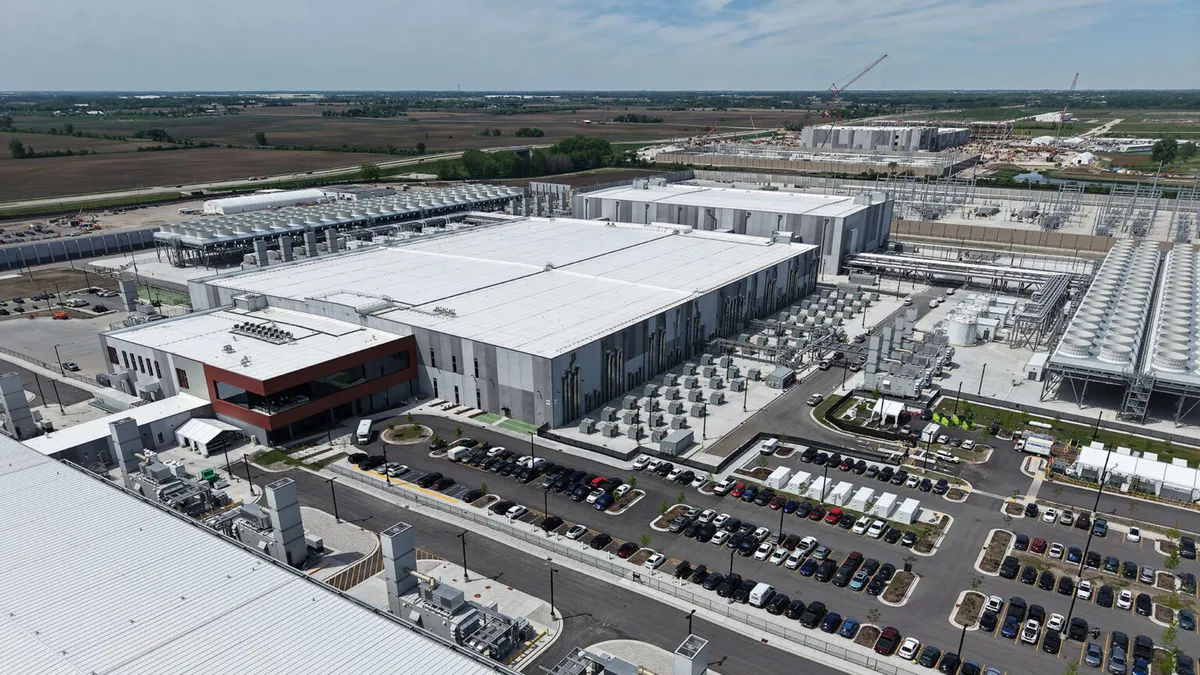
America needs energy — abundant, affordable, reliable and secure sources of clean energy to power our economy, from data centers and factories to the lights in our homes. Demand for electricity is skyrocketing, with estimated load increasing by as much as 25% by 2030.
No single resource can meet all our needs, but from California to Texas to New York, grid operators and policymakers are recognizing that nuclear power has a critical role to play.
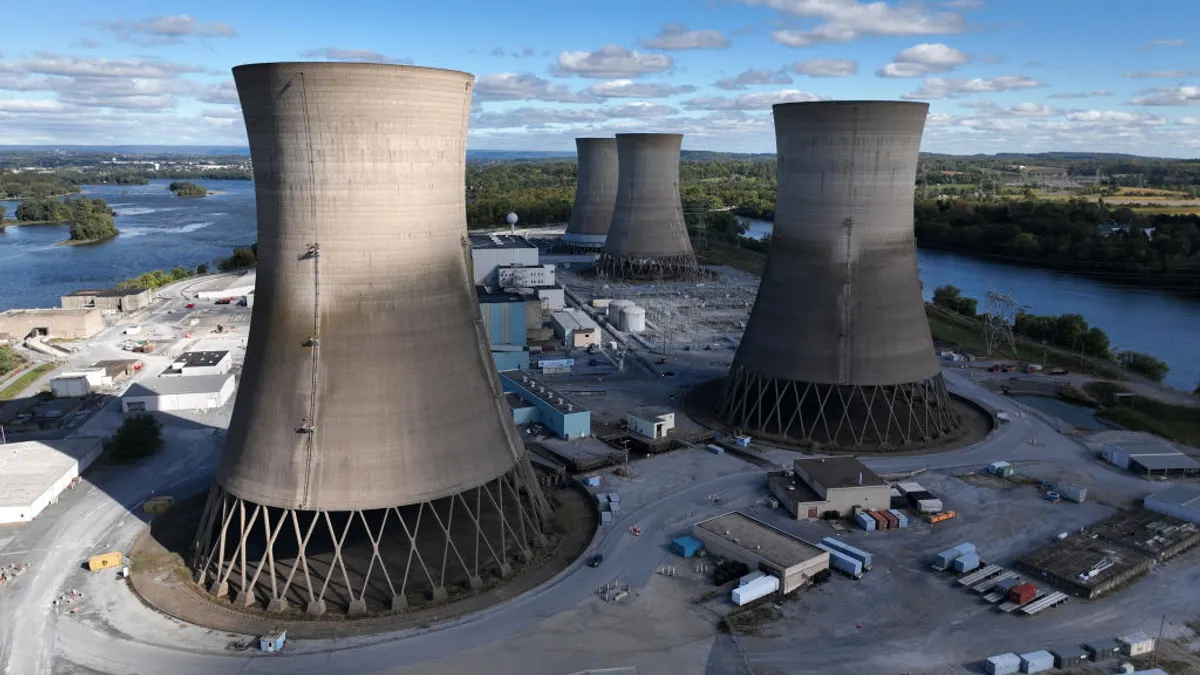
The United States has been the world leader in nuclear power; we invented the technology, operate the largest fleet of reactors in the world and run them better than any other country. But we must revive our capacity to build new reactors. In many respects, we are well-positioned to do so: In addition to established nuclear companies like Westinghouse and GE, there are more than 25 companies working to bring advanced reactor designs to market.
We shouldn’t underestimate the difficulties involved, however, or the importance of well-designed, supportive public policies. Only two new reactors have been built in the United States in the last 40 years. Training a new nuclear workforce and demonstrating new technologies is expensive. These plants are tremendously valuable for the energy system and the nation but the cost and risk of building the first few projects is real.
Experience strongly suggests that costs will fall once we’ve rebuilt the workforce and supply chains — but getting that process started is challenging. If we want to jump-start the industry, well-designed public policies are essential to ensuring the economics pencil out for public utilities and their ratepayers.
Congress created the nuclear investment tax credit in 2022 to help cut the cost of these large investments, recognizing the benefits to the grid and the nation from these projects. The ITC provides a tax credit worth between 30% and 50% of the capital cost of new nuclear plants. This is an important, well-intentioned provision — but an unanticipated flaw in the policy design has sharply limited its value.
While arcane, the core question is straightforward: Should a utility be able to claim the full tax credit when it makes the investment, lowering customer costs immediately, or should the value of the credit be spread out over the operational life of the facility?
Federal accounting practices call for the latter. A rate-regulated electric utility that is receiving the ITC is required to take it piecemeal, divided across the decades that the power plant will be in operation — a practice called tax “normalization.”
There’s a logic to this: It gives more money to the utilities, maximizing their incentive to build these projects. Utilities are allowed to charge ratepayers for their investments; taking the ITC’s full value up front reduces the size of the investment. Why limit the ITC’s value to utilities if we want them to build these risky projects?
There’s a compelling answer to that question: ratepayers and their representatives. State public utility commissions, which must approve new power plants in regulated markets, have a mandate to protect ratepayers. If you’re a utility that wants to tackle the important job of building one of America’s next nuclear power plants, the applause of energy policy advocates won’t help when you need to ask regulators for their votes at a time of greatly heightened concerns about affordability.
But an ITC that is structured to pass its full value along to ratepayers from day one, cutting the sticker price by 30% to 50%, is a game-changer. Given the up-front costs of nuclear, maximizing customer affordability is key. Allowing utilities to opt out of the normalization requirements and pass along the full value of the ITC to customers would make it far easier for regulators to approve new nuclear projects. This would make the existing tax credits more effective without increasing the size of the credit or the cost to the Treasury.
The Nuclear Rate Stabilization Act would give rate-regulated utilities the option to opt out of normalization requirements for the nuclear ITC. With electricity demand rising and affordability concerns more salient than ever, Congress should give this thoughtful bipartisan bill careful consideration.
By permitting utilities to opt out of normalization, the bill would ease an unnecessarily constraining federal mandate, prioritize ratepayer protection and give utilities more options for financing projects. The bill would maximize the value of the nuclear tax incentives and move new reactors from concepts to reality. That’s what we need to do to modernize the grid and meet the energy challenges of our time.