The PJM Interconnection’s proposed Reliability Backstop Procurement auction could be a “step in the right direction,” but contains key elements FirstEnergy opposes, Brian Tierney, the company’s chairman, president and CEO, said Wednesday during a quarterly earnings conference call.
He expressed particular concern about the grid operator’s potential role in the process.
“The people making the investment — the power plant developers and builders — should contract directly with the end-use customers rather than having [PJM] in between and then another middleman being the electric distribution companies,” Tierney said. “The wrong people are going to end up paying with PJM in the middle.”
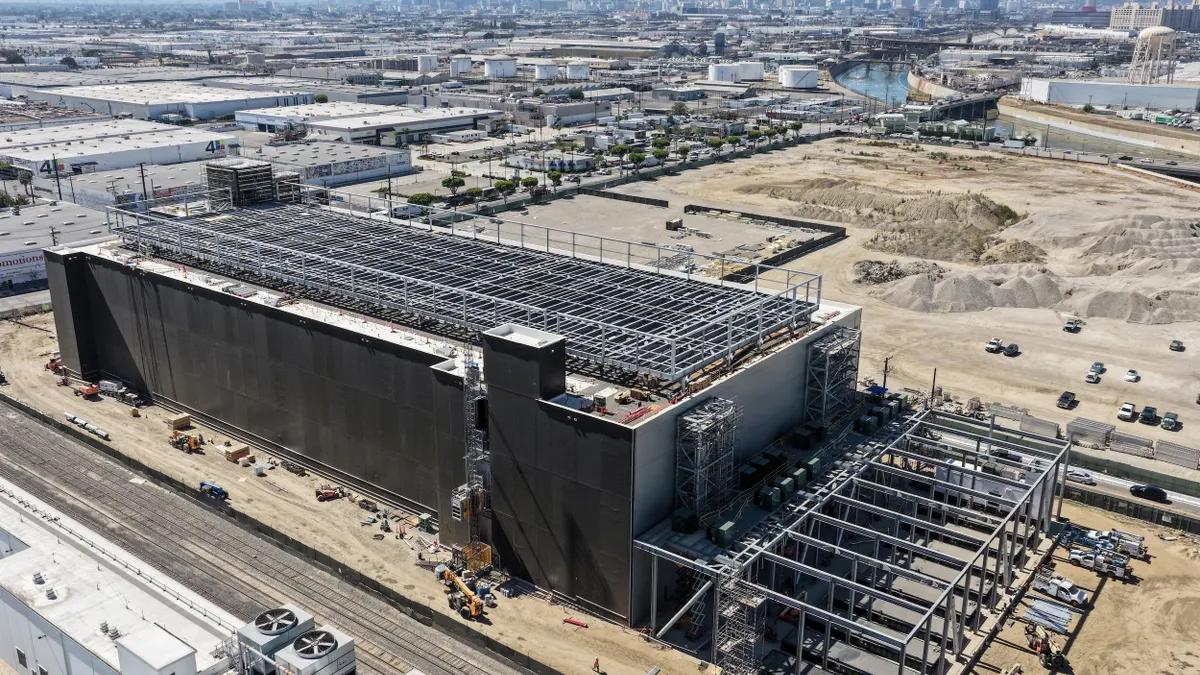
FirstEnergy’s utilities have about 6 million customers in Ohio, Pennsylvania, New Jersey, West Virginia, Maryland and New York. They mainly operate in the PJM region and are helping integrate major data centers onto the grid.
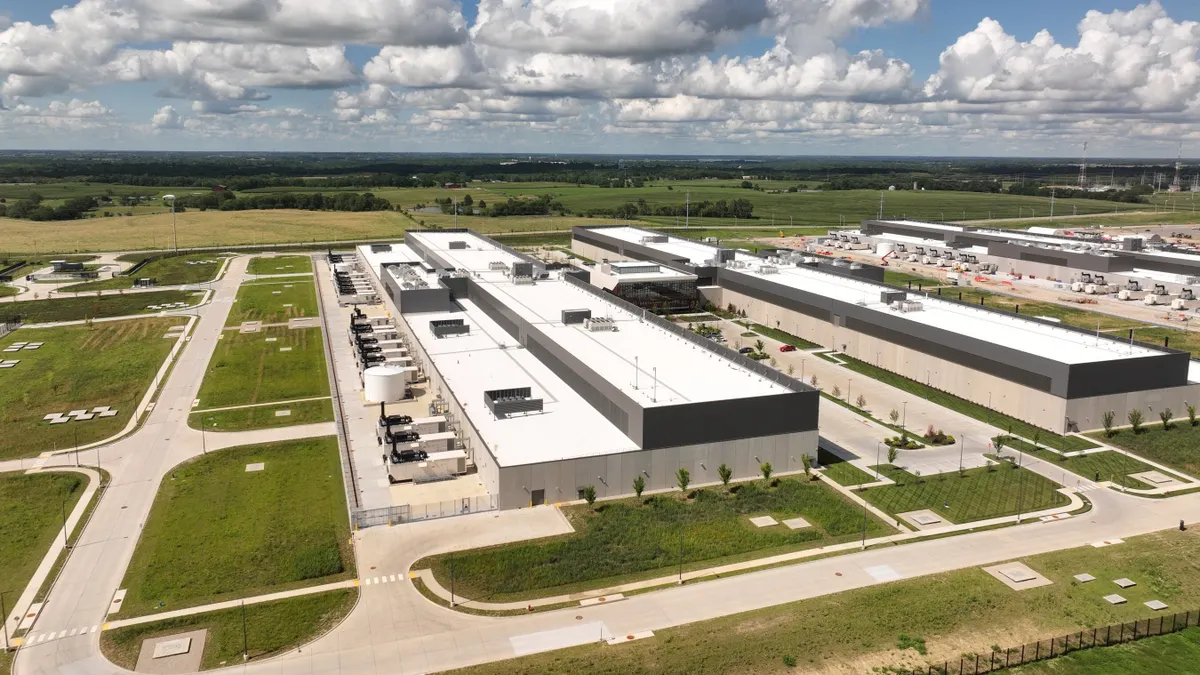
The utilities have a total of 4.3 GW in contracted data centers set to come online by 2031, up nearly 50% from February 2025, according to an earnings call presentation.
Outside of of projects with service or construction contracts, the utilities’ pipeline of potential projects with “reputable” customers that meet certain project metrics grew to 7.4 GW by 2031 and 14.9 GW by 2035, up about 15% since February, FirstEnergy said.
On the financial front, earnings “attributable” to FirstEnergy jumped 12.5% to $405 million in the first quarter from $360 million in the year-ago period, according to the company. First-quarter revenue grew to $4.2 billion from $3.8 billion a year ago.
The increase in earnings was partly driven by higher transmission revenues and higher customer usage due to the colder weather, FirstEnergy said. Higher interest rates and litigation expenses partly offset the increase.
PJM’s proposed backstop auction
FirstEnergy wants to earn a return on any network or other upgrades its utilities make to serve the data centers, according to Tierney.
“Large loads should pay their fair share, but we think it should be to the utility company, to the transmission provider who's providing the service and [who should] have the opportunity to earn a return on that,” he said. “The large load should pay for their network improvements, but they should be paying the utility and the utility should be earning on their invested capital.”
Tierney has a major concern with PJM’s proposed two-part backstop procurement. The proposal to acquire roughly 15 GW to serve data centers would begin with a phase for data centers and power suppliers to enter into bilateral supply contracts. After that, PJM would hold an auction to secure any remaining targeted capacity, with the grid operator doling out the costs to utilities.
FirstEnergy utilities strongly opposes the proposed auction process.
“We are not going to sign contracts where our companies take commodity risk on generation and energy,” Tierney said. “It's not going to happen … if phase 2 is going to work, they need to contract with us.”
Affordability and rates
During the conference call, an analyst asked Tierney about the “affordability rhetoric” in Pennsylvania, where PECO Energy, an Exelon utility, withdrew a $510 million rate request two weeks ago.
“In terms of affordability, we're staying in touch with people and talking to people like Governor [Josh] Shapiro, Governor [Mikie] Sherrill in New Jersey and making sure there will be no surprises in any of our states when we come in for a rate case,” he said.
Shapiro on Wednesday told utility leaders that “the 20th century utility model is broken — we can no longer simply prioritize corporate profitability to drive infrastructure development.”
Shapiro said his administration will oppose utility rate case requests that fail to follow three practices he outlined in a letter to utilities. They include: seeking the most cost effective forms of capital; developing cost-benefit analysis showing that any investments will produce “significant” savings or reliability benefits for consumers; and asking for “transparent, justifiable” equity returns.
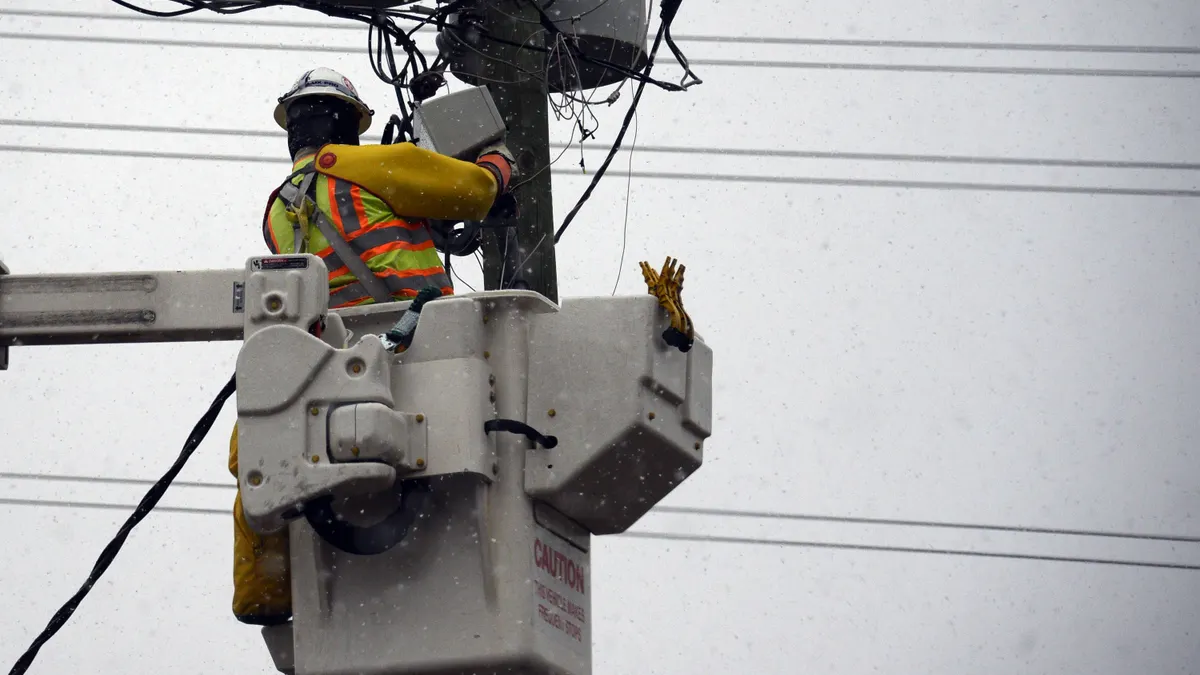
Also, FirstEnergy’s Ohio utilities plan to file a three-year rate proposal with state utility regulators in May 2026 that includes plans to spend about $800 million a year on reliability-focused projects, according to the SEC report. The company expects new rates would take effect in mid-2027.
Generation and reliability investments
Meanwhile, FirstEnergy’s weather-adjusted retail sales grew to 38.3 million MWh in the first quarter, up 0.5% from the same period last year. Residential sales fell 0.1% while commercial and industrial sales increased 1.4% and 0.5%, respectively, in the quarter, the Akron, Ohio-based company said.
In West Virginia, FirstEnergy’s Monongahela Power and Potomac Edison are on track to bring online a 1.2 GW combined cycle gas turbine plant by 2031 and 70 MW of solar by 2028 for about $2.7 billion, according to Tierney.
FirstEnergy expects the West Virginia Public Service Commission will make a decision on the proposal in the second half of 2026, according to a report filed with the U.S Securities and Exchange Commission.
Liabilities and legal complications
Jersey Central Power & Light faces a possible $44 million penalty for failing to meet New Jersey customer reliability standards, according to the SEC report.
The utility is also closely monitoring the rollback of environmental regulation at a federal level that could impact its businesses, it said.
Separately, the company continues to face repurcussions from an Ohio bribery scandal involving two utility officials. Stockholders and customers have filed a number of lawsuits that are still pending.
“The outcome of any of these lawsuits is uncertain and could have a material adverse effect on FE’s or its subsidiaries’ reputation, business, financial condition, results of operations, liquidity, and cash flows,” it said.