The parent company of Consumers Energy, Michigan’s second largest investor-owned electric utility, plans to invest more than $17 billion in generation, distribution and other assets over the next five years, company executives said at its fourth quarter earnings call Thursday.
Its generation investment is set to increase more than 25% over the previous five-year plan.
The utility is expecting robust and sustained load growth in the coming years. It projects 3% weather-normalized load growth in 2026 and 2% to 3% run rate through 2030, driven in large part by data centers and industrial loads forecast to ramp up later this decade.
In November, the Michigan Public Service Commission approved Consumers’ large load tariff proposal, including provisions meant to protect other ratepayers.
Renewable generation and associated infrastructure will account for much of Consumers’ planned spending as it works to comply with a state law requiring 100% carbon-free electricity in 2040. A renewable energy plan Michigan regulators approved last year lays out its plans to spend about $14 billion in the coming years to build nearly 11 GW of wind and solar.
Ongoing data center negotiations
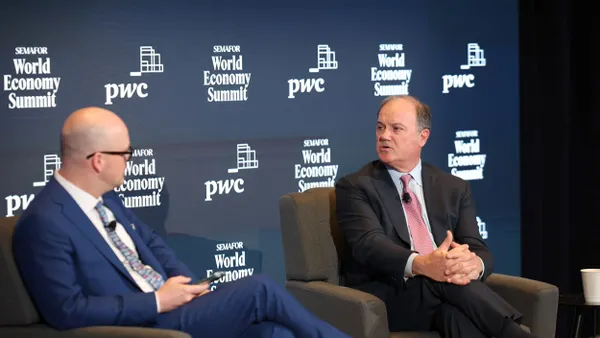
On Thursday’s earnings call of Consumers’ parent company, CMS Energy, President and CEO Garrick Rochow said Consumers will need all that generation and more to serve new industrial and data center loads coming to its territory.
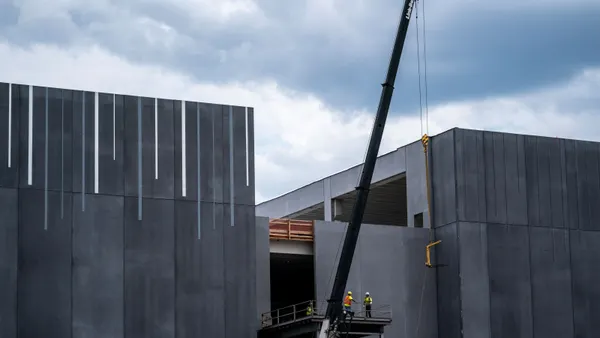
The utility announced an agreement last July with one of those customers, a 1-GW data center to be built by an unnamed hyperscaler. Rochow said on Thursday that Consumers was close to finalizing a rate contract with the customer, setting the stage for a “short” regulatory proceeding to formalize it.
In an investor note shortly after the call, analysts with the investment bank Jefferies cheered Consumers’ progress on the deal but said it was “slightly disappointing” that it wasn’t yet final.
Rochow hinted at more to come. Two proposed data centers have expressed interest in locating in Consumers’ territory “just in the last month,” joining two “relatively new” proposed industrial loads, he said. For the past several quarters, Consumers has said it has about 9 GW of large-load interconnection requests in its pipeline, including up to 2 GW in the “final stages” of negotiations.
“Everything is headed in the right direction here, which gives me a lot of confidence about our ability to secure … a couple of data centers, potentially,” Rochow said.
Generation gaps to fill
Rochow said Consumers’ renewable energy plan covers much of the new generation that it will propose in the integrated resource plan coming later this year.
But since none of the potential large-load customers in Consumers’ pipeline are included in the utility’s previously approved resource plans, the utility has “a gap in capacity” that will widen as older thermal generators — like Kern 3 and 4, the oil-fired peaker plants earmarked for decommissioning in 2031 — age out of its system, Rochow said. He said Consumers will need to fill that gap with firmer resources.
"You're going to do that with batteries, and you’re going to do that with natural gas,” he said. “That’s going to have to be part of the mix.”
The significant increase in Consumers’ projected generation spending foreshadows investments to be spelled out in its forthcoming IRP, he said.
No update on Campbell emergency order
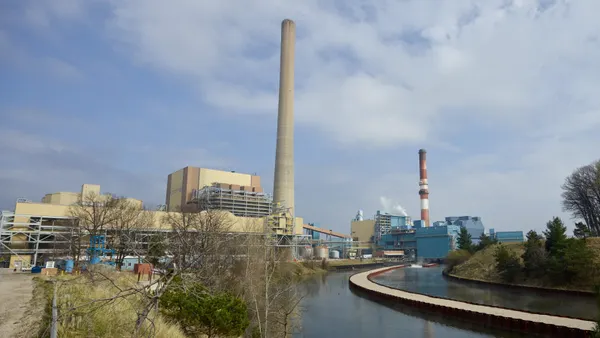
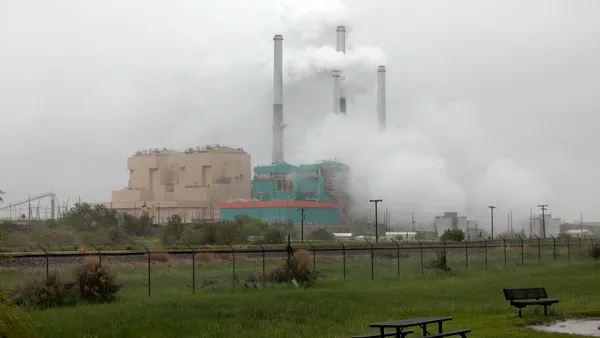
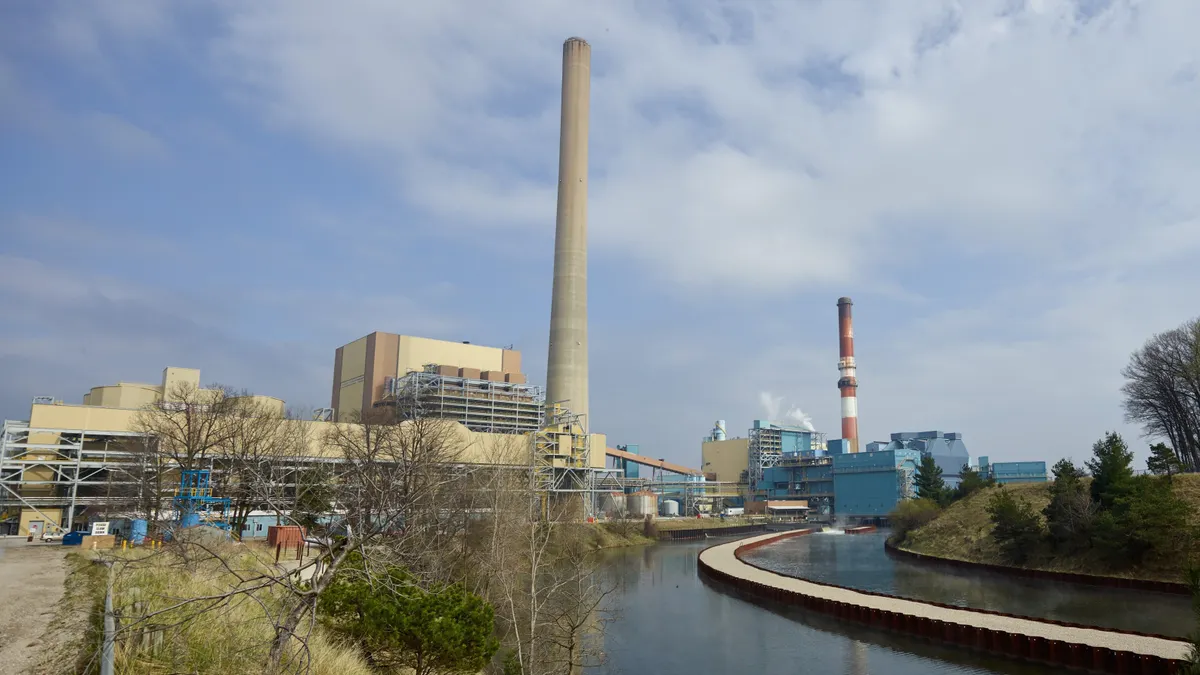
Consumers did not provide a substantive update on the U.S. Department of Energy’s repeated “emergency” orders that it continue running the J.H. Campbell generating station, a 1.6-GW coal-fired power plant it had long planned to retire in May 2025.
DOE has issued multiple 90-day orders requiring the plant to remain available due to what the department says is an acute generation shortfall in MISO’s northern region. Environmental groups and large electricity customers across the Upper Midwest have pushed back on that claim and urged the Federal Energy Regulatory Commission to reconsider its determination that the cost to run Campbell should be borne by customers in multiple states.
Consumers pegged that cost at around $80 million through September 2025, but the company has not publicly updated its accounting since then. Rejji Hayes, the company’s chief financial officer, hinted during the call that the company does eventually plan to shut Campbell down.
“At some point, we’ll be out of coal, and so that will drive cost savings as well,” he said.