Jeffrey Rissman is a senior director at at Energy Innovation, where he works on technologies and policies to eliminate industrial greenhouse gas emissions. Eric Gimon is a senior fellow and consults as a technical expert, research scholar and policy adviser with Energy Innovation.
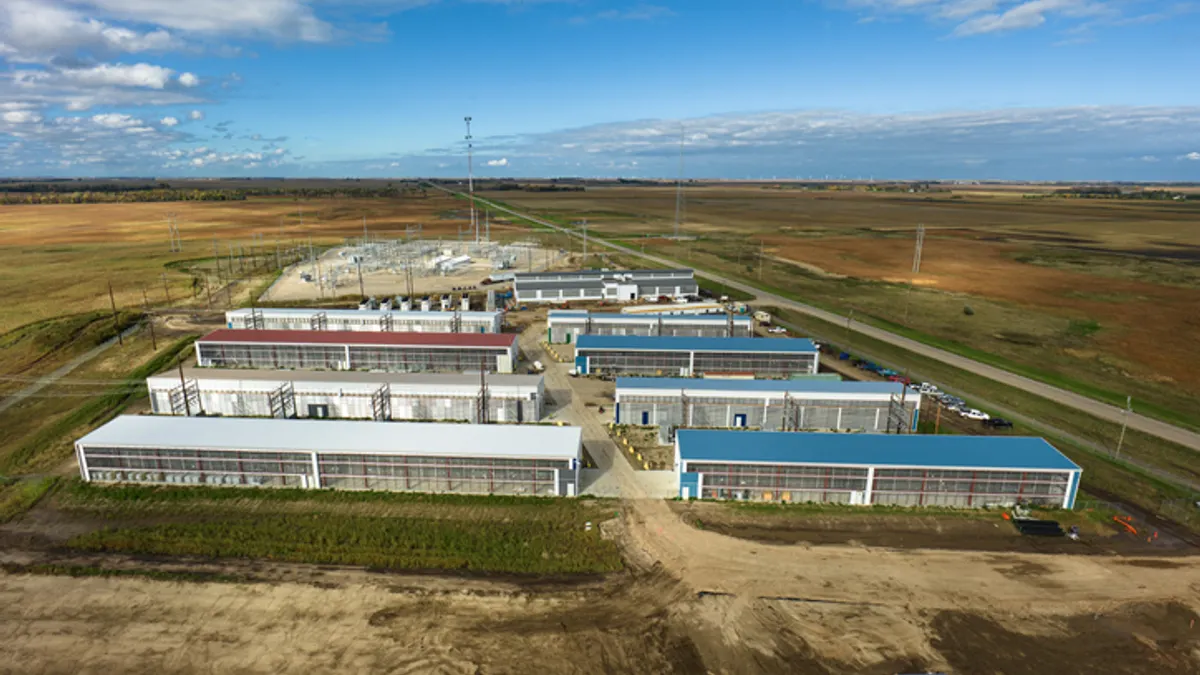
A colossal data center is rising amidst the farmlands of Richland Parish, Louisiana. It will guzzle 2.2 GW of power, about twice as much as the entire city of New Orleans on a peak summer day.
Near Cheyenne, Wyoming, an even larger data center looms on the horizon. While its first phase requires only 1.8 GW, it is ultimately designed to scale to 10 GW, as much power as all of New York City draws at its peak.
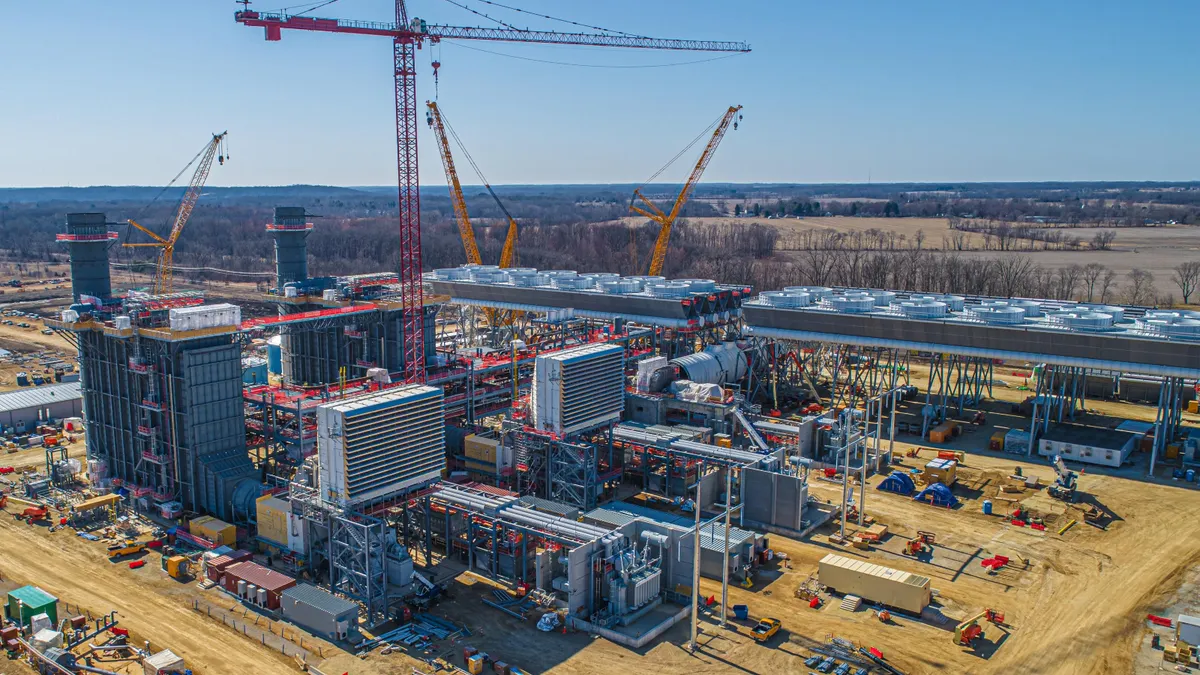
Aside from their ravenous power demand, these behemoths share one crucial trait: They will be fed by on-site power plants burning natural gas, not by the electric grid. Counterintuitively, it is data centers’ independence from the grid — coupled with their use of natural gas — that will hike energy costs for American homes and small businesses.
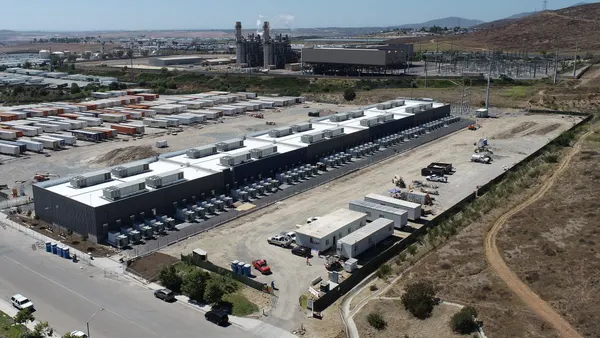
To date, most data centers have been powered by the electric grid, but this is changing fast. Facing pressure from policymakers to supply their own power, as well as multi-year delays getting permission to connect to the grid, data center projects increasingly plan to build their own on-site generation capacity, mostly powered by natural gas.
A recent Bloomberg New Energy Finance analysis finds 100 GW of on-site gas-burning capacity are planned to power data centers across America. That’s equivalent to 18% of the total existing capacity of all U.S. natural gas power plants, a staggering amount.
Building your own natural gas power plant might appear to protect other energy customers by reducing new demand on the grid, but that’s not the case. Natural gas is a market-traded commodity, meaning data centers that gobble up lots of natural gas will naturally compete with other gas customers, increasing prices.
That does more than just worsen home heating costs. Since natural gas supplies 43% of U.S. electricity and gas-fired generators set the price of electricity in most hours, higher natural gas prices also raise electricity costs.
In fact, data centers with on-site gas plants could spike American energy bills more than connecting those data centers to the grid. That’s because policymakers and regulators can require utilities to charge grid-connected data centers sufficiently high rates to cover their full costs or even enough to help modernize the grid and lower costs for other ratepayers. However, a data center with its own gas power plant signs a contract with a gas supplier, not with a utility, putting its gas rates outside the jurisdiction of state utility regulators. Data centers can buy gas in bulk and sign long-term contracts (as we’ve seen in Texas, Pennsylvania and New Mexico), giving them access to cheap gas, even if this unfairly drives up prices for everyone else.
Since the most efficient combined-cycle turbines that burn natural gas for electricity are back-ordered for five to seven years, tech firms are relying on inefficient equipment that requires even more gas and creates more pollution. This is creating conflicts across the country, such as in Southaven, Mississippi, where xAI is being sued for violating the Clean Air Act and operating inefficient, polluting gas turbines without a permit.
For tech companies, on-site gas plants might seem like a “hack” to speed up power access for data centers, but they’re only exchanging one dependency for another: As tech firms disconnect from the electric grid, they become hooked on the gas grid, where their immense new demand will run into supply bottlenecks, especially during extreme weather like Winter Storm Fern. Meanwhile, their on-site gas strategy will likely come under political pressure as residents demand solutions to rising energy bills and air pollution.
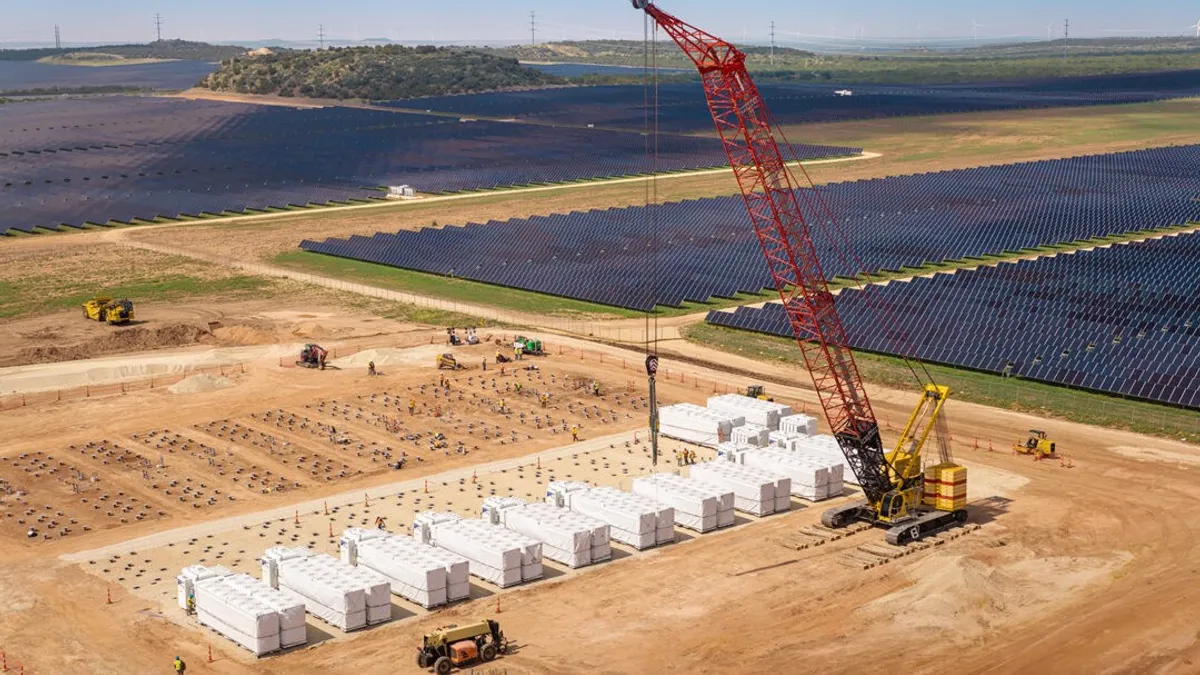
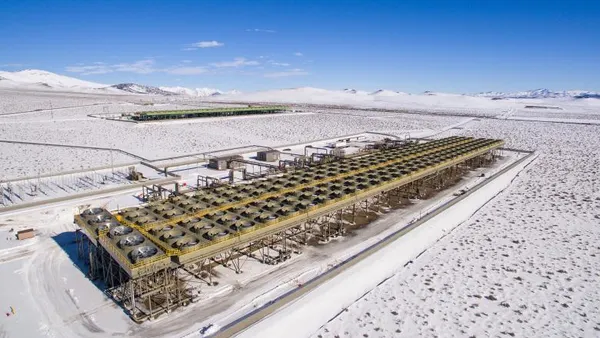
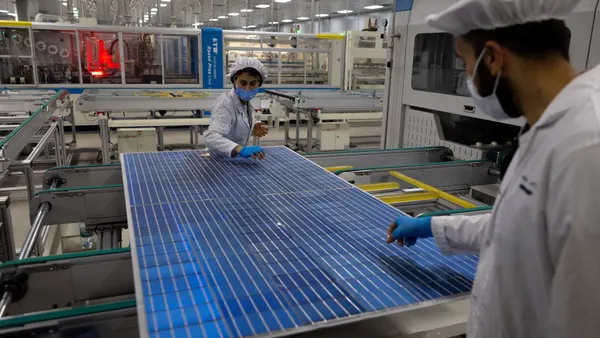
Fortunately, there’s a solution that protects data center operators and the public: clean energy. Policymakers should ensure that data centers not simply bring their own electricity — but bring their own clean electricity. Wind and solar backed by batteries, along with enhanced geothermal systems, can be deployed quickly to provide the firm power data centers crave. These energy sources don’t require fuel, so they don’t increase gas or electricity costs for existing customers. And they are affordable — onshore wind and solar are the cheapest forms of generation in America, and they remain cost-competitive with natural gas even when including the cost of batteries.
Some tech firms already recognize this opportunity. Google’s upcoming Minnesota data center will be powered by 1.6 GW of wind and solar with 300 MW of battery storage. And Amazon recently outbid a local utility to purchase 1.2 GW of solar capacity and an equal amount of battery storage to supply its Oregon data centers.
While clean energy is already an affordable and reliable solution, policy can help make it standard for data centers. State policymakers can use siting and zoning requirements, air quality regulations, or new legislation to require that data centers build enough pollution-free capacity to supply their electricity needs, protecting communities and electric ratepayers.
This must be accompanied by permitting, siting and interconnection support that allows clean energy to quickly meet new demand. For instance, states can adopt “permit-by-rule” to automatically permit renewable energy projects that comply with standardized regulations. States should also pre-authorize zones where renewables and transmission can connect without extensive permits or impact assessments such as Texas’ Competitive Renewable Energy Zones, Nevada’s Solar Energy Zones, and Arizona’s Renewable Energy Incentive Districts.
Simultaneously, they should set standards that harmonize local permitting requirements and prevent localities from enforcing onerous rules intended to block renewables. Smart examples include Michigan’s HB 5120 and Illinois’s HB 4412, both enacted in 2023.
Public support for data center development is at an all-time low. Most U.S. voters now oppose data centers out of concern for their impacts on home energy costs, the environment and the quality of life of nearby residents, which can be harmed by constant noise and soot from gas turbines.
A “bring your own clean energy” mandate can help address all three concerns, ensuring the data centers powering the AI revolution don’t come at the expense of Americans’ wallets, health and well-being.