Pier LaFarge is the CEO of Sparkfund, a distributed energy resource company.
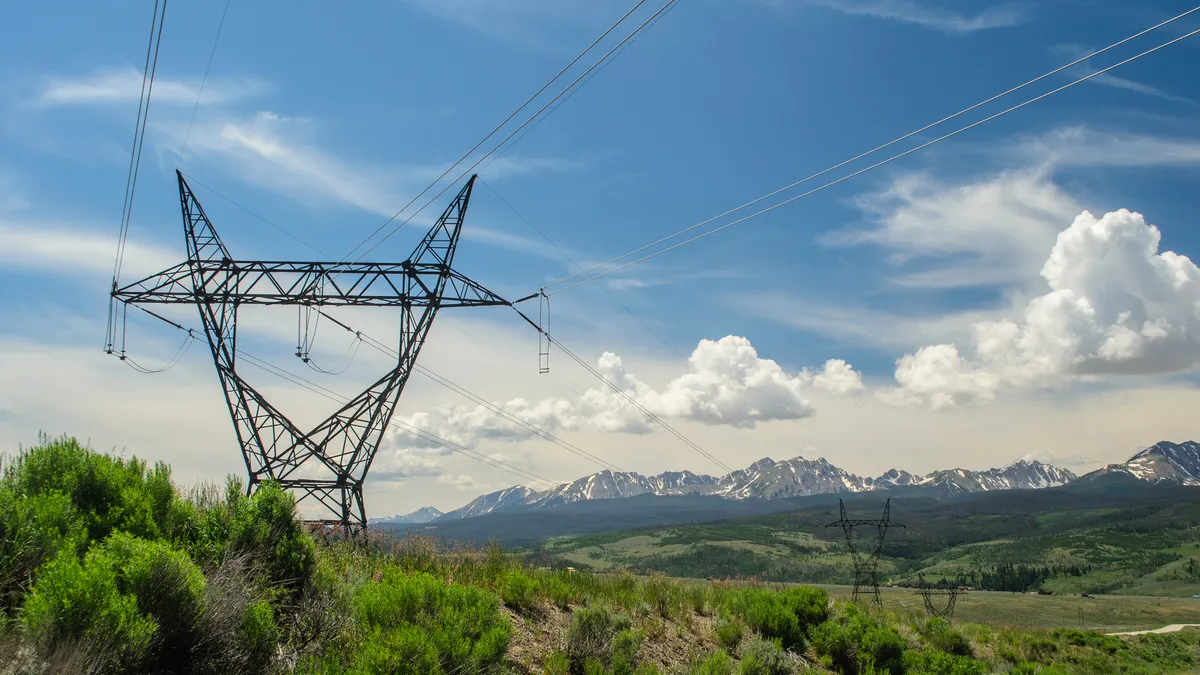
To meet the needs of a growing economy over the last century, U.S. utilities and regulators built the electric grid to peak — big enough to handle the highest demand for 50 to 100 hours of the year. In many ways, it was a historic infrastructure success: The U.S. electric grid has the cheapest, most abundant power anywhere on Earth. It is on just about 100% of the time, and in many states, it costs less than 3% or 4% of GDP while providing the foundation for the rest of the economy. There are few public-purpose, highly-regulated institutions that can say the same in terms of the scale and economic value of their delivered results.

But today, load growth driven by advanced manufacturing, electric vehicles, cloud computing and new demand from AI means we need to grow the grid faster than we have in the last 100 years to support a modern economy. Rapid growth will put enormous pressure on rates, and utilities will need to pick up new tools to turn the affordability challenge into an economic opportunity so folks aren’t choosing between groceries and power bills.
The good news is that a growing grid can be good for everyone. If managed the right way, investments in newly available technologies like batteries, demand response, and upgrades to the existing wires can help us sell more electric power over the grid we have today, dividing the fixed costs of the wires we’ve already paid for by more units sold, making power cheaper for everyone.
That’s where the distribution grid can become the unexpected hero of the story as a platform for new capacity growth, all while increasing affordability and reliability.
Getting more from today’s distribution grid
How does that work? By investing in batteries, load flexibility, grid-enhancing technologies and other distributed solutions, we can get 200+ GW from our current grid, a recent study by the Brattle Group estimates.
Another Brattle Group study found that a 10% improvement in annual system utilization — selling more power over the wires we’ve already paid for — would reduce rates by as much as 4.8%, save customers $110 billion to $170 billion over the next decade, increase utility earnings by 23% (incentivizing further investment in American infrastructure), and accelerate new load connections (time-to-power for factories and computing infrastructure) by several years.
The distribution grid has long served as a passive delivery network and cost center, requiring continual investment to replace aging infrastructure and accommodate growing amounts of intermittent renewable power. In fact, the distribution grid has been the main cause of increased electricity spending in many regions of the country over the last two decades, driving nearly a third of rate hikes nationally.
For the distribution system to become a platform for new capacity growth, improve grid utilization and help lower rates, we have to deploy the right assets in the right way. Not every distributed resource is designed to function as utility infrastructure.
To create distribution system value, you need real distribution system assets
Many distributed resources are designed to create value for individual customers — bill savings, backup power, resilience — and those same assets are sometimes used to benefit the larger system as well. But for true distribution grid infrastructure, utilities need resources that are 100% operated for system benefit. They must be able to see the asset, plan around it, accredit it, dispatch it and rely on it, the same way they rely on a capacity bank, transformer or voltage regulator.
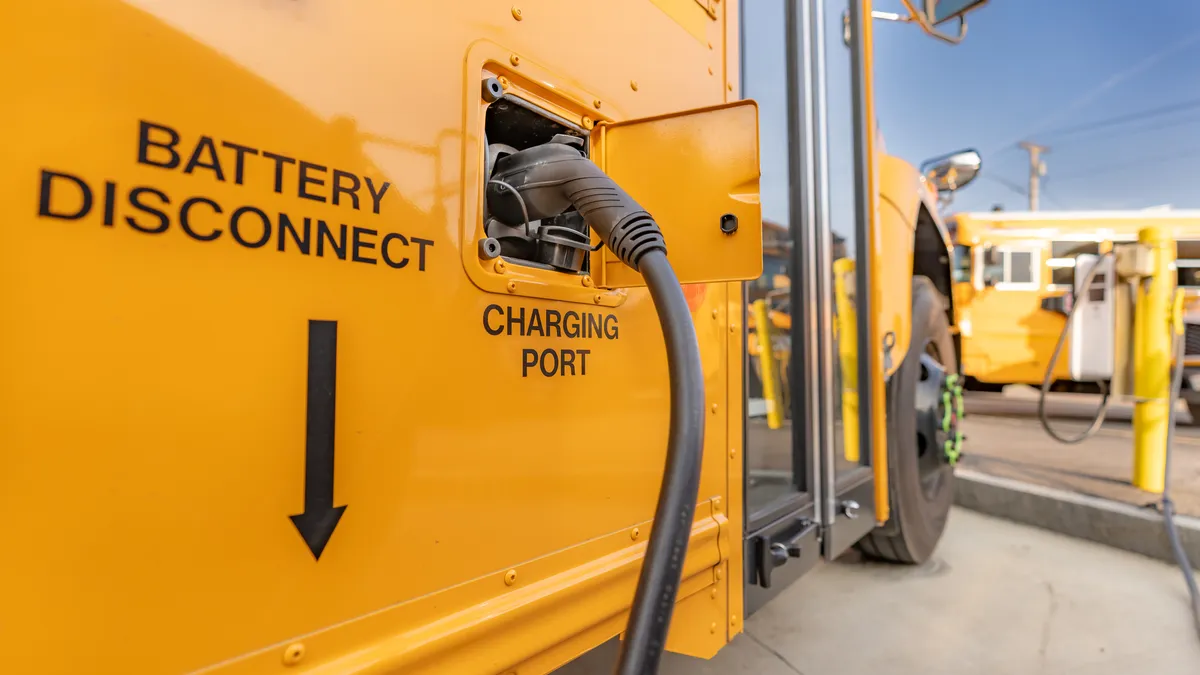
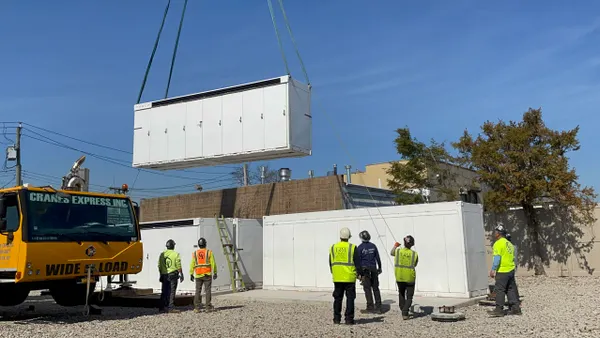
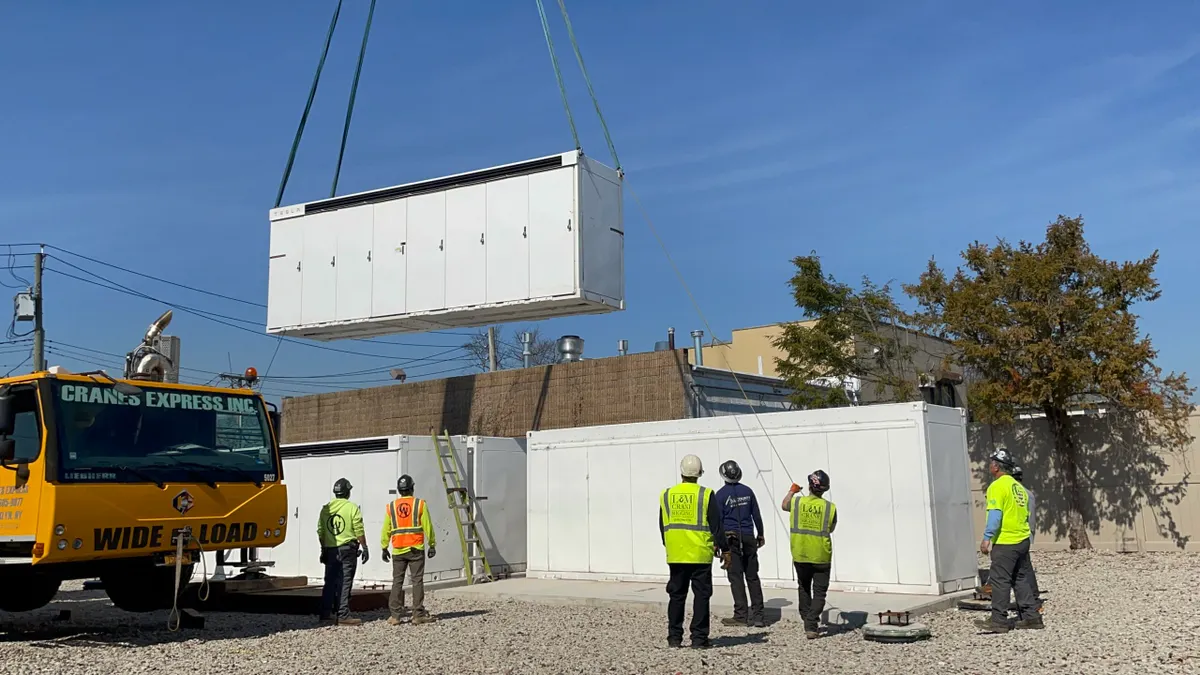
Xcel Energy's Capacity*Connect program exemplifies this utility-led infrastructure approach to distributed capacity operated solely for the benefit of the grid and all customers. Through a distributed capacity procurement, the utility is deploying up to 200 MW of front-of-the-meter distributed batteries in 1 MW-3 MW systems, strategically located across Minnesota to improve grid reliability and meet growing electricity demand. The batteries will serve as distribution equipment dedicated to improving the system as a whole.
Batteries are electron time machines: You can charge them when there’s plenty of power available on the system and dispatch them when demand is the highest, right where the grid needs it most. In a DCP, the utility identifies where front-of-the-meter batteries are needed, works with a DCP deployment partner and the local vendor ecosystem to deploy them, and then integrates the assets into its operations as accredited capacity. Because distributed batteries scale incrementally, the utility can add capacity exactly where load growth happens, as it happens, using the grid it already has.
As the first utility-owned, utility-operated battery deployment of its kind to be approved by a state utility commission, Capacity*Connect sets a precedent that distributed batteries are the next generation of distribution grid infrastructure.
Utility ownership ensures distributed battery benefits get shared
Leveraging the regulated utility model to deploy distributed batteries ensures that investment in grid infrastructure benefits the public, not just those who can afford it. Every dollar of grid value utility-owned batteries deliver above the utility’s regulated return flows back to all customers in the territory.
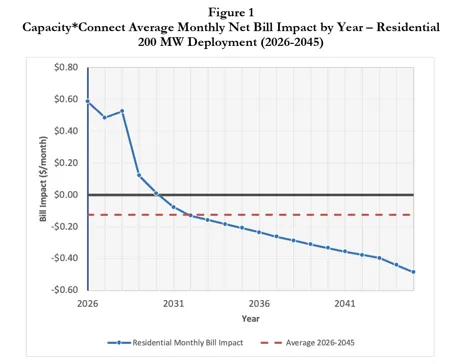
In Minnesota, the Capacity*Connect program is expected to pay for itself and then some, saving residential customers an average of 17 cents per month over 20 years. Every community organization and local business that hosts a battery deployed as part of Capacity*Connect also gets a monthly hosting payment for the use of their land. That’s a monthly annuity from the utility for 20 years, creating tangible participation in the wealth created by local infrastructure growth. The first host site confirmed in the program is a church, securing thousands of dollars a month to support good work in the community.
And despite common misconceptions, utility ownership does not cut out competition. Competitive market price discovery and innovation are built into every utility-led asset procurement. For example, more than 80% of the value of a distributed capacity procurement is competitively bid, including to local and regional vendors and contractors who build the assets. That drives well-paying jobs, local economic growth and workforce development, a reason Capacity*Connect received support from local labor unions and local engineering, procurement and construction firms alongside consumer advocates and workforce development groups.
Regulated utility ownership of public infrastructure creates a powerful framework for shared benefit. Extending that model to a new type of distribution equipment that will serve public interests — like batteries — isn’t revolutionary; it’s how the regulated utility system is designed to work.
Moving from pilot to portfolio
Distributed capacity’s moment has arrived. With it the distribution grid has become a new platform for capacity growth and increased grid utilization, not a cost center putting pressure on rates. We can grow the grid while making it cheaper and stronger for everyone. The technology can scale cost-effectively, the economics pencil and regulators in Minnesota have set a precedent of public-interest approval. Distributed capacity, deployed at scale, is how utilities answer today's load growth: fast, and with power that is cheaper, more abundant and more reliable for everyone it serves.