Siemens Energy continues to book new orders at a record pace, with the company's backlog reaching 164 billion euros (about $180.4 billion) as of the end of the company's 2026 fiscal year, executives told analysts on a Nov. 11 earnings call.
New order intake rose 18.8% over the end of fiscal year 2025, according to the company's earnings release. The second half of the year also saw sharp increases in wind turbine sales from subsidiary Siemens Gamesa, allowing the company's offshore-wind-focused arm to break even for the first time in years, according to Siemens Energy President and CEO Christian Bruch.
“I do strongly believe in offshore ... being a decent-sized market in selected countries of the world, and that is still my underlying assumption — that we can play on the strengths we have in offshore,” Bruch said.
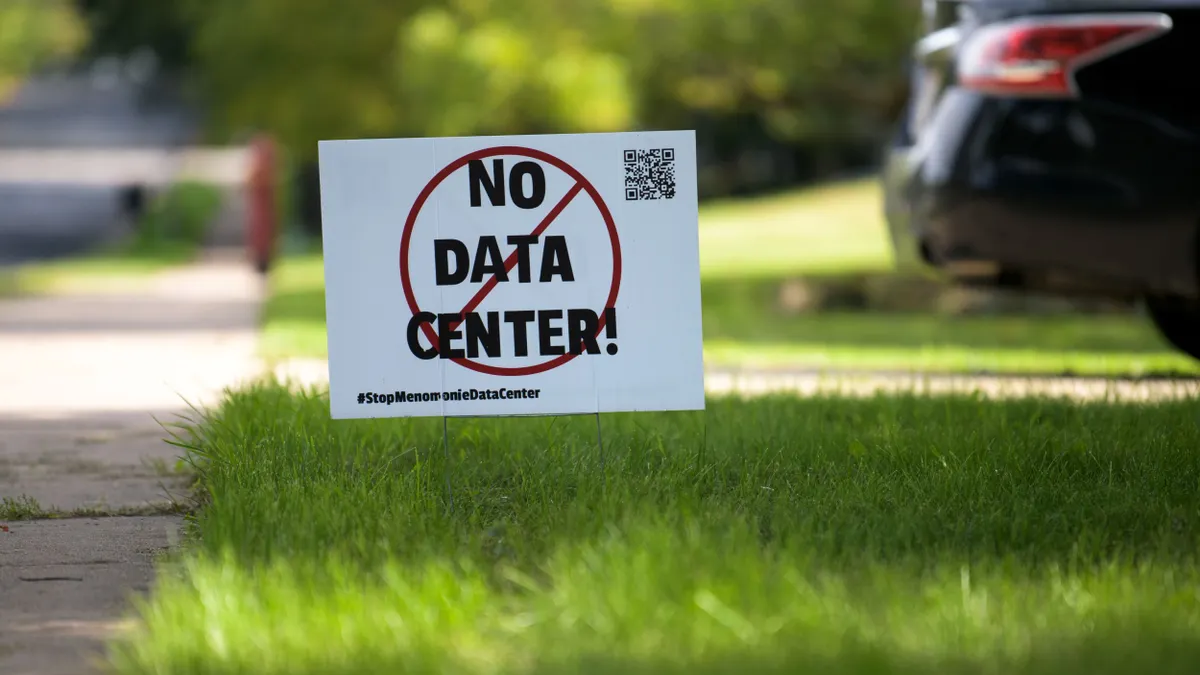
Gas turbine orders moderated somewhat in the fourth and final quarter of the fiscal year, but CFO Maria Ferraro attributed the slightly slower pace of orders to “project phasing.” Bruch said he does not believe that the growing data center backlash that manifest in the U.S. midterm elections has impacted demand for turbines or other electrical equipment. U.S. orders rose 70% year over year, with $6.7 billion in new orders booked during the fourth quarter alone, according to a Siemens Energy press release.
Globally, data center-related customers account for about 15 billion euros ($16.5 billion) of Siemen's backlog, Ferraro said.
“This translates to less than 10% of the total,” she told analysts. “So data centers are an important factor, and we certainly want to participate, but our growth story is much broader and very well diversified.”
Siemens Energy expects data centers to represent about a fifth of the growth in global demand for electricity, which the company expects to grow 60% by 2040. The electrification of transportation, manufacturing growth, and rising consumption of electricity within other buildings will drive the majority of new demand, Bruch said.
On top of this, he said he expects renewable energy capacity to triple by 2040, and he believes the world's most advanced nations need to replace about half of their existing electrical grid. As a result, Bruch said, orders for gas turbines should continue at roughly their current pace through 2030 — and possibly through 2035.
To meet this demand, Siemens Energy plans to invest about 4 billion euros ($4.4 billion) in manufacturing capacity by 2030, Bruch said. That includes a “substantial” expansion of transformer and switchgear capacity in North America, where a manufacturing hub under construction in North Carolina is already sold out for its first two years of operation, Ferraro said.
The growth of the installed gas fleet will also drive long-term maintenance needs: Siemens Energy expects revenue from gas turbine services to more than double by 2035. Twenty-year service contracts signed this year carry margins five percentage points higher than in the past, Ferraro said, thanks to increased market prices and decreased costs.
The company's Gas Services division is focused on a vertical integration strategy that has the company buying upstream suppliers to drive efficiency, Bruch said.
To further strengthen its focus on the utility sector, Siemens Energy plans to spin out its Transformation of Industry division, which serves industrial customers, as an independent company. Siemens is seeking a co-investor to help finance the launch of the new company, which Siemens plans to carve out after the parent company finishes its transition to the new Omterra brand name.
A company press release pitched the spinoff as necessary to avoid limiting what the Transformation of Industry division could achieve because the division competes for business in sectors — including, but not limited to, data centers — that move far faster than the utility sector.