The Energy Information Administration cut its 2026 electricity generation growth forecast by 1.3% from last month “based on how much large load electricity demand has come online so far this year,” particularly in Texas, “and its implications for near-term growth,” according to its most recent Short-Term Energy Outlook released Tuesday.
EIA now projects generation to grow 2.4% this year and 1.7% next year. The agency expects the United States will generate 4,327 billion kWh in 2026, down from a 4,382 billion kWh estimate issued last month.
Just last month, the EIA said it expected U.S. electricity generation to grow by 3% in 2026, more than a percentage point higher.
Much of the projected load growth is in the grids managed by the PJM Interconnection and the Electricity Reliability Council of Texas, and the total downward revision appears to be driven by changes in ERCOT’s projected demand growth.
The EIA said it had revised its forecast of ERCOT growth rates since last month, shrinking its projections from 6% to 5% growth in 2025 and 15.7% to 9.6% growth in 2026.
The report said the EIA expects electricity demand in PJM to grow by 3.3% in both 2025 and 2026.
Even given the lower forecast, the expected increase is “in contrast to relatively flat generation from 2010 to 2020 and is primarily driven by increasing demand from large customers, including data centers, concentrated in regions managed by” ERCOT and PJM, the agency said.
EIA also said it anticipated changes in the mix of energy sources used for generation in these two regions, while anticipating both regions’ largest generation source of natural gas will grow by 2% in both between 2024 and 2026.
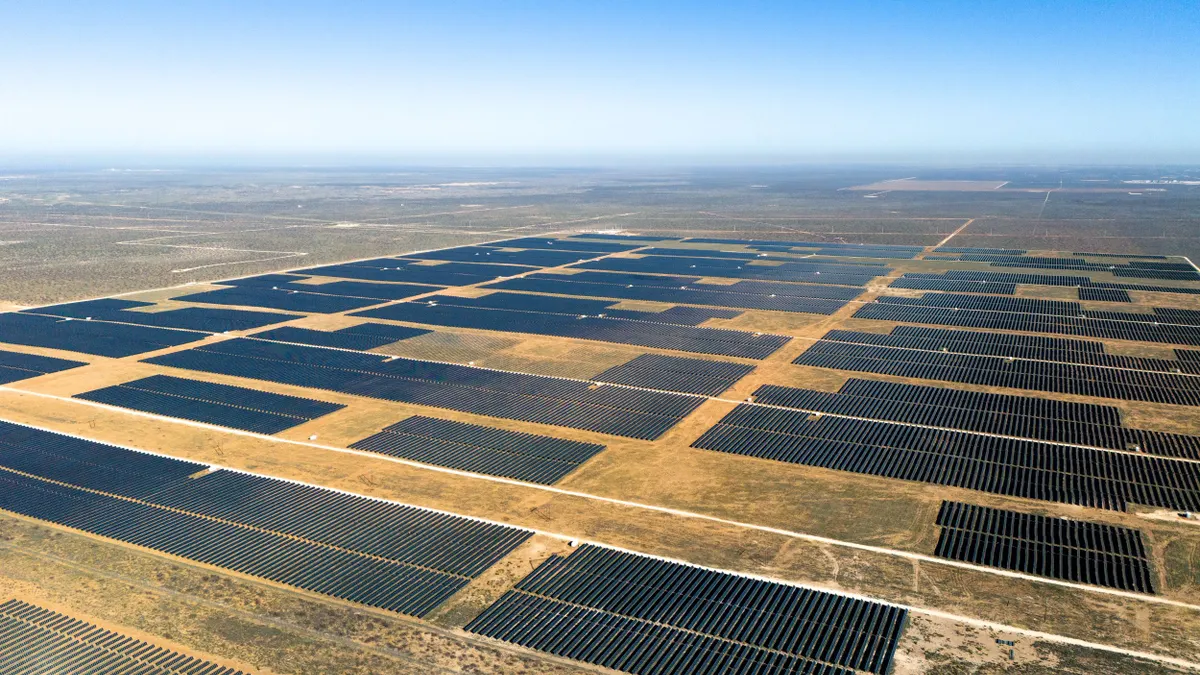
“We expect most of the growing electricity demand in the PJM region will be met by growing generation from coal and solar, up 23% and 63%, respectively, between 2024 and 2026,” the agency said. “In ERCOT, the fastest growing energy source is solar, which we forecast will grow by 92% between 2024 and 2026.”
Editor’s note: This story has been updated to correct the percentage change in electricity generation growth forecasts between the November and December STEO.