In a three-part decision, the Federal Energy Regulatory Commission last week approved the Southwest Power Pool’s proposal allowing power plant owners to expand their generating facilities by up to 20% under a temporary priority review process.
However, FERC on Nov. 28 rejected SPP’s proposal to allow the owners of retired power plants to use the fast-track review process, as well as a proposal to give “priority projects” an advantage in an upcoming interconnection study process.
SPP’s proposals are part of a push by U.S. grid operators to create pathways for bringing power supplies online more quickly to meet rising demand for electricity. SPP contends it is on the brink of a resource adequacy crisis, with its demand forecasts rising and power plant retirements accelerating, according to its "priority process" application at FERC.
Under the proposal, filed in late September, eligible shovel-ready expansion projects would receive an accelerated study process.
SPP says that its “priority process” to add capacity at existing generating facilities will complement its FERC-approved Expedited Resource Adequacy Study process for new power plants to help meet near-term capacity needs.
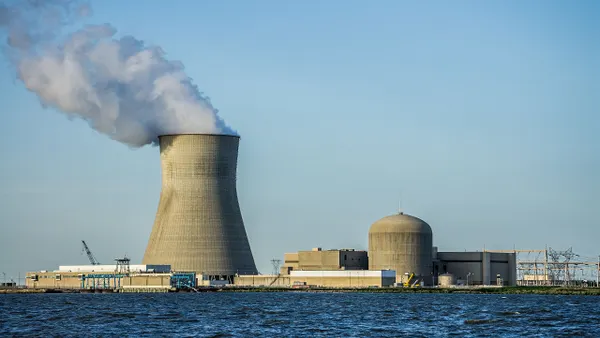
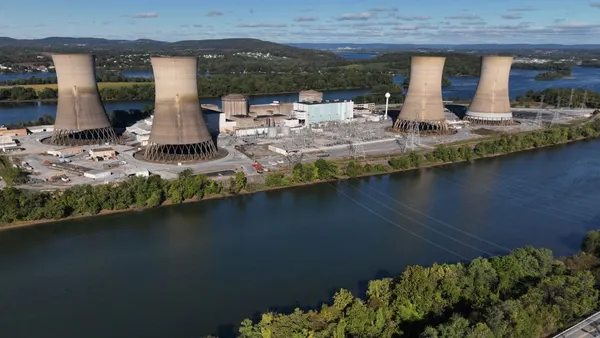
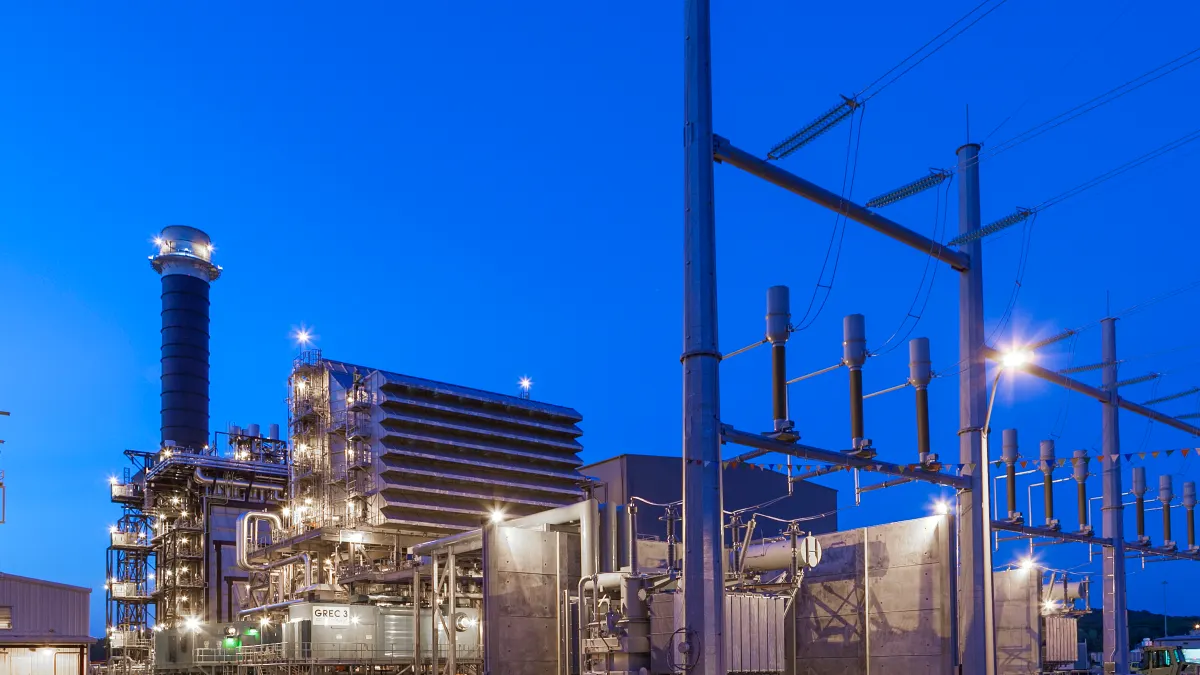
Under the priority process, a power plant owner can seek to add up to 20% of a generating facility’s capacity at its existing interconnection point. A power plant owner can use the process once per facility.
Priority project developers must meet eligibility requirements, including showing the project can be online within five years, that they have ordered all major equipment for their expansion project and that the manufacturer has indicated it can deliver the equipment by the planned commercial operation date. Also, all financing for the project must be secured.
Priority projects must also make heightened financial commitments compared to SPP’s standard financial requirements for interconnection requests.
The owners of priority projects must pay all of the cost of the Priority System Impact Study and all the cost of substation network upgrades and system network upgrades needed for their projects.
The American Clean Power Association and the Advanced Power Alliance — clean energy trade groups — supported the priority process proposal, saying it was narrowly tailored and non-discriminatory.
“The Priority Process will improve the efficient interconnection of new generating facility capacity by allowing incremental additions to existing generating facilities to come online in an expedited manner without impacting existing interconnection customers,” FERC said in its decision.
The priority process will be effective from Dec. 1, 2025, to March 1, when SPP’s recently proposed Consolidated Planning Process will take effect, if approved.
However, FERC rejected two related proposals that SPP filed separately. One would have allowed power plants that retired no more than five years ago to use the priority process to add capacity at those sites. Another would allow priority projects to be queued ahead of other interconnection requests in a Definitive Interconnection System Impact Study cluster if the review’s first phase hasn’t started.
FERC ruled that SPP’s proposal for allowing retired power plants to take advantage of the priority process lacked key details, including whether the new project could be 120% the size of the old one or just 20% of its size.
SPP also failed to adequately support its “queue priority” proposal, according to FERC.
“SPP offers several conclusory statements in its filing but does not provide sufficient evidence in the record to support a determination that the Queue Priority Revision is just and reasonable,” FERC said.
SPP operates the grid and wholesale power markets in 14 states from eastern New Mexico to parts of Montana.