Andrew Plenge is vice president of strategy and energy policy at Commonwealth Edison in Illinois.
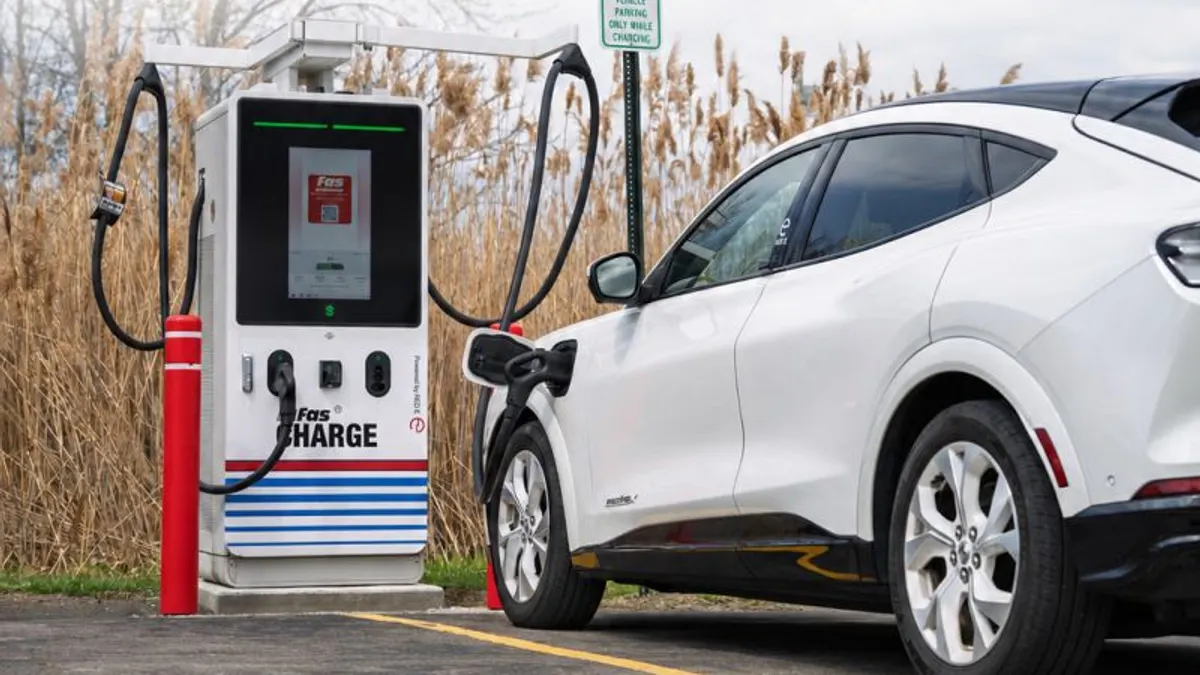
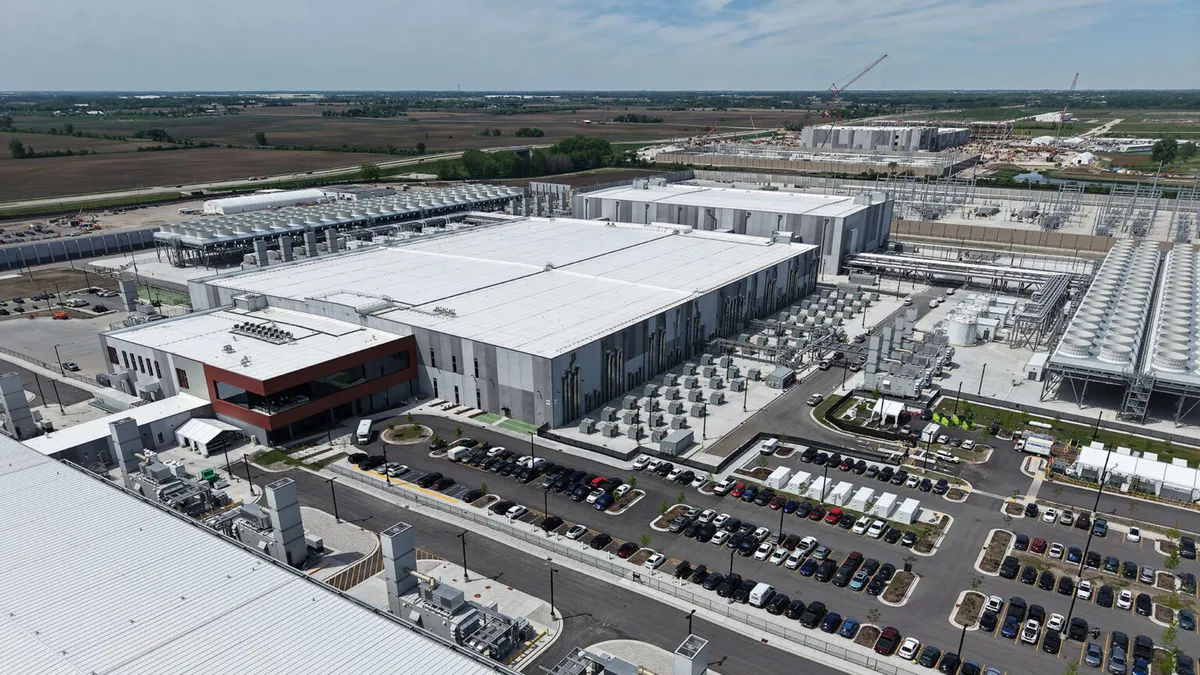
Illinois’ grid is being put to the test to a degree it never has before — and for good reasons. Families are choosing electric vehicles. Businesses and homes are installing solar and batteries to keep the lights on during outages and to lower their energy bills. And Illinois’ growing economy is attracting new demand to the state, particularly businesses that are attracted by its low rates, leading reliability and energy policies.

All of it is modernizing our energy system, and all of it raises an important question: How do we keep electricity reliable and affordable as demand grows, especially during the hottest days of the summer and fall?
Meeting that challenge will require making better use of all the resources available to the grid, including technologies customers are already adopting. Virtual power plants can coordinate resources such as batteries and other flexible technologies to reduce demand when the grid is under the greatest strain, helping lower system costs while giving customers new ways to participate.
Illinois has already taken an important first step. ComEd’s recently approved Scheduled Dispatch Virtual Power Plant program will allow customers with eligible battery systems to make a portion of their battery capacity available during certain peak periods in exchange for performance-based compensation.
But this initial program is just a first step. By the end of 2027, ComEd will file a broader Virtual Power Plant framework that goes beyond batteries and incorporates more of the technologies that customers use every day. Over time, electric vehicles, smart appliances and other flexible devices could all play a role in keeping costs down and reliability high.
Building that broader framework will require getting the details right. As more technologies become capable of supporting the grid, Illinois will need clear rules for how different resources participate, how their contributions are measured and valued, and how programs can deliver benefits to participating customers and the broader system.
Using what we already have, just smarter
A virtual power plant works by linking together energy devices that customers already own, like home batteries, and coordinating them when the grid needs them.
Imagine a typical summer weekday. In the late afternoon and early evening, air conditioners are running full blast both in offices as well as homes. That’s when electricity is most expensive, and the grid is under the most strain. Traditionally, meeting those peaks requires maintaining and turning on costly plants that everyone ultimately pays for through their bills.
Instead of maintaining or building new large plants, and the infrastructure to support it, customers who choose to participate in a Virtual Power Plant can affirmatively share a small portion of their energy use or generation.
The result? Lower costs, fewer expensive system upgrades and a grid that works more efficiently for everyone.
The Scheduled Dispatch program provides a focused starting point, while giving Illinois experience that can help inform what comes next. Last year’s Clean and Reliable Grid Affordability Act made VPPs a formal part of the state’s energy toolkit and set the stage for a broader framework. Moving beyond the initial scheduled dispatch battery program will mean considering a wider range of technologies, capabilities and ways for customers to participate.
That raises important questions for utilities and regulators. The framework will need to determine which technologies can reliably respond when the grid needs them, how their performance and value to the system should be measured, and how different participants can engage. It will also need enough flexibility to accommodate new technologies and capabilities as they emerge.
Getting the framework right means establishing clear rules while leaving enough flexibility for VPPs to evolve alongside customer technologies and needs. This includes:
- Striking the right balance between incentive levels that encourage participation while delivering net benefits to all customers.
- Establishing dispatch frequency and duration that meet grid needs without creating customer fatigue or outpacing technology.
- Coordinating across multiple evolving load flexibility programs and designing programs that can reliably address both system-wide and localized peaks.
These are just a few of the many implementation questions Illinois will need to address as VPPs evolve.
At ComEd, affordability is something we discuss every day with customers and communities across northern Illinois. Virtual power plants aren’t about technology for technology’s sake. They’re about using existing tools more efficiently so we can avoid unnecessary costs. By helping reduce peaks in demand, these programs have the potential to limit upward pressure on long-term capacity costs, one of the key drivers of customer bills, as well as system costs.
As Illinois develops its broader VPP framework, affordability should remain a central measure of success. Programs should be transparent and results-driven, with clear ways to track participation, measure real system impacts and ensure the value created ultimately translates into benefits for customers.
Customer technology is becoming an increasingly important part of the energy system. Realizing its full potential will require collaboration among utilities, regulators, technology providers and customers, with a continued focus on programs that deliver measurable value while protecting customer choice.
With the right framework in place, Illinois can give customers more opportunities to participate in the energy system, putting the technologies they are already adopting to work for the broader grid.
The bottom line is this: Illinois has ambitious goals to drive to a cleaner grid while balancing affordability and reliability. To get there, we’ll need more than just big power plants. We’ll also need customer technology as part of the solution, and to design programs that create value, protect choice and keep affordability front and center.