Dive Brief:
- The Minnesota Public Utilities Commission on Thursday approved Xcel Energy’s utility-owned, battery-based virtual power plant, despite objections by clean energy groups and others who argued for opening the program to competition from independent developers.
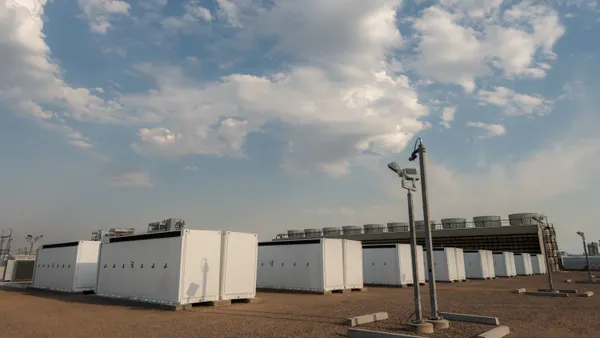
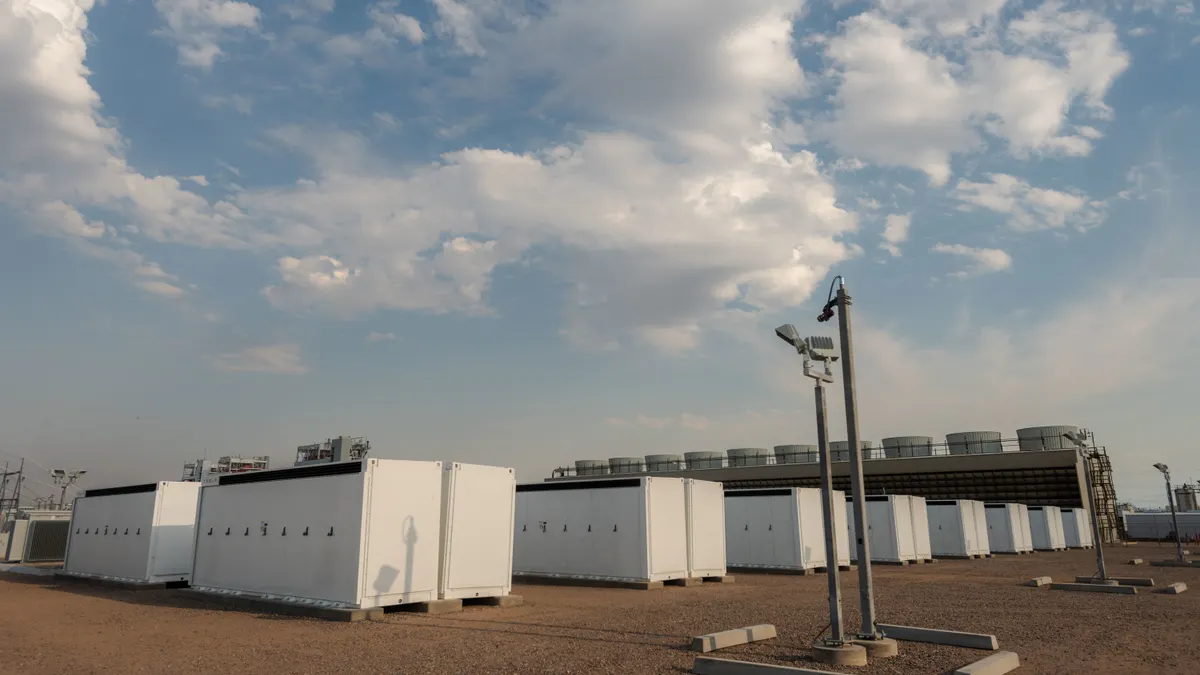
- Through phase 2 of the Capacity*Connect program, Xcel will deploy up to 200 MW of energy storage systems across its distribution grid by 2028, with batteries sized from 1 MW to 3 MW. Battery deployment will be done in collaboration with deployment services company Sparkfund, the utility said.
- The proposal has been closely watched both inside and outside the state for its potential implications for distributed energy resources. In a statement to Utility Dive, Xcel said it would install “cost-effective battery storage resources at strategic locations on the grid,” such as local businesses and nonprofits, to “help meet increasing demand for electricity, maintain reliable service for our customers, maximize the efficiency of existing infrastructure and support local jobs.”
Dive Insight:
The PUC considered a more limited version of the distributed battery program, but ultimately approved Xcel’s proposed 200 MW with an interim program assessment at 50 MW.
The program’s full-capacity budget is $430 million.
Regulators also indicated that they are open to other resource procurement approaches, however.
They called for Xcel to report on whether lessons from its behind‑the‑meter VPP pilot project in Colorado could be applicable in Minnesota. And the PUC required Xcel to provide regular status reports on Capacity*Connect and “a comprehensive evaluation of the program by an independent party.”
Capacity*Connect represents “a vital step toward modernizing the energy grid and meeting the growing electricity needs of our communities,” PUC Commissioner Hwikwon Ham said in a statement. Leveraging battery technology and virtual power plant models will help ensure a more reliable grid for Minnesota while creating a “more equitable energy future that delivers real value back to the communities,” he said.
The PUC directed Xcel to consider placing batteries in underserved communities and to partner with Building Strong Communities, a multi-trade apprenticeship preparatory program, to expand access to construction careers.
Minnesota clean energy advocate Fresh Energy said it supported Xcel’s proposal as a way to offset investment in fossil fuel infrastructure and get the most out of the existing electric system.
The group “is pleased with Xcel Energy and Sparkfund’s inclusion of several items that will allow small and diverse business owners to have the opportunity to bid on the Capacity*Connect contracts,” Shubha Harris, chief equity policy officer at Fresh Energy, said in a statement. “This is a step in the right direction to allow more people to benefit from the investments in the clean energy economy.”
Some solar and storage trade groups, however, called the PUC decision a missed opportunity.
Minnesota is the only state to adopt a distributed storage model that “forces everyday ratepayers to cover the investment risk instead of leveraging private capital,” according to a joint statement from the Minnesota and the national branches of the Solar Energy Industries Association, and the Coalition for Community Solar Access.
Capacity*Connect “unfortunately bears little resemblance to other states’ storage programs that are proven to lower energy costs and increase grid reliability,” Andrew Linhares, SEIA midwest director of state affairs, said in a statement. “Competitive markets for energy storage deployment ensure that ratepayers get the best, most affordable deal possible.”
Vote Solar called the PUC approval “positive progress” in bringing more battery storage to Minnesota, and highlighted the data analysis regulators required Xcel to do, but also argued the state is leaving “meaningful energy bill savings on the table” with the utility-owned resources.
Regulators required Xcel to develop specific estimates of the distributed energy resources benefits Capacity*Connect will provide to the grid by November 2027, and to submit a report as part of its integrated distribution plan. Xcel will also need to submit a plan within 180 days outlining how it will measure cost savings and grid benefits.
“This decision lays important groundwork for the future,” Will Kenworthy, Vote Solar’s Midwest regulatory director, said in a statement. “By requiring Xcel to define the grid value of all types of distributed energy resources, Minnesota is taking a key step toward fully recognizing the value of local clean energy like solar.”