PECO Energy is seeking a $429 million rate hike, partly driven by efforts to reduce power outages, according to a Monday filing with the Pennsylvania Public Utilities Commission. If approved, it would increase the Exelon subsidiary’s revenue by 11%.
As part of its proposal, PECO offered to partially offset the impact to customer bills by spreading out the cost recovery for vegetation management and energy efficiency programs, which it said would lower delivery charges for customers in the near term by $88 million.
If approved, the proposed rate hike would increase a bill for a residential customer using 700 kWh a month by 12.5% to $180.45 in 2027, not accounting for the offset. Commercial customers using 10,000 kWh a month would see a 5.9% increase, and industrial customers using 200,000 kWh a month would see a 4.2% increase.
Spreading out the cost recovery for vegetation management and efficiency would reduce those increases to 11.1%, 2.9% and 2%, respectively, starting in April 2027 — several months after the utility expects the rate increase to take effect.
The proposed rates are based on a “forward test year,” reflecting what PECO expects to spend in 2027. That type of framework helps utilities reduce the lag between the time they spend money and recover their costs from customers.
Typically, utility regulators approve rate increases that are less than what a utility asks for. Philadelphia-based PECO most recently increased its electric rates on Jan. 1, 2025, by $354 million — partly offset by a $64 million one-time credit to customers, Exelon said in an investor presentation last month.
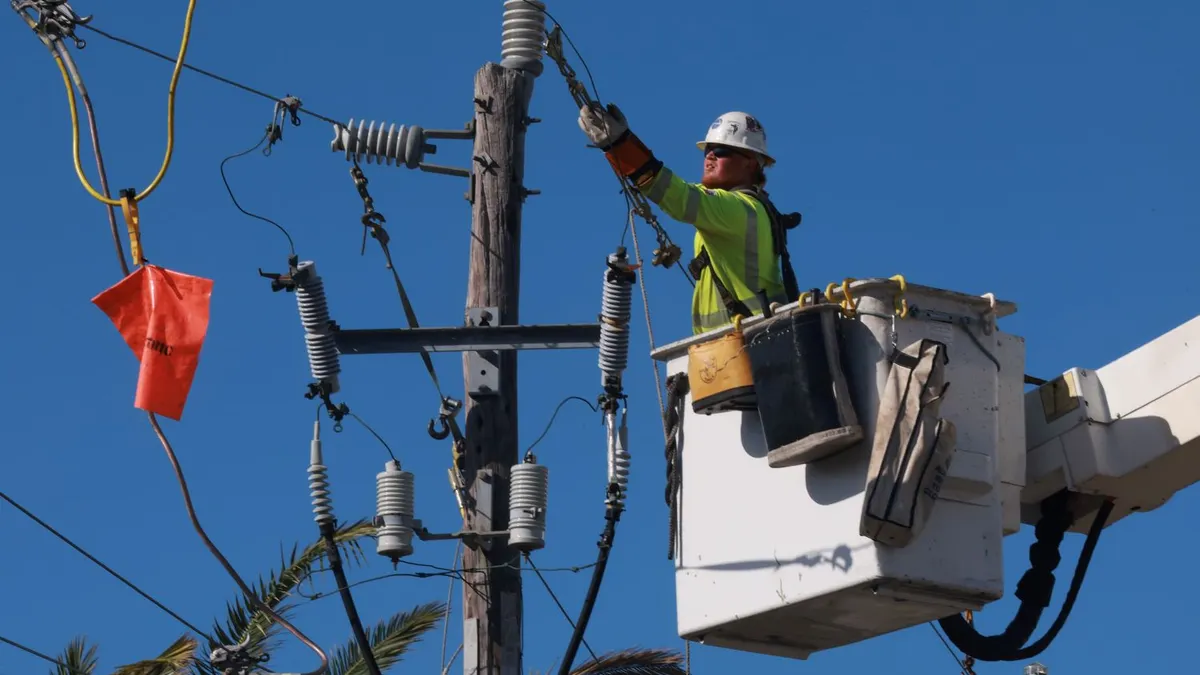
In part, the rate hike request is driven by PECO’s efforts to improve safety and reliability while supporting business growth, managing increased storm activity and integrating new technologies, the utility told regulators. PECO expects to spend about $2.8 billion from Jan. 1, 2026, to the end of 2027 bolstering its distribution system, according to its filing with the agency.
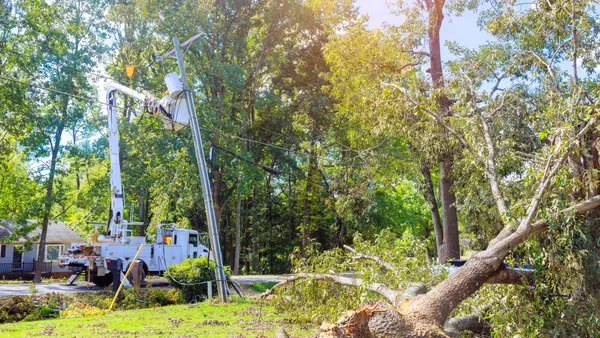
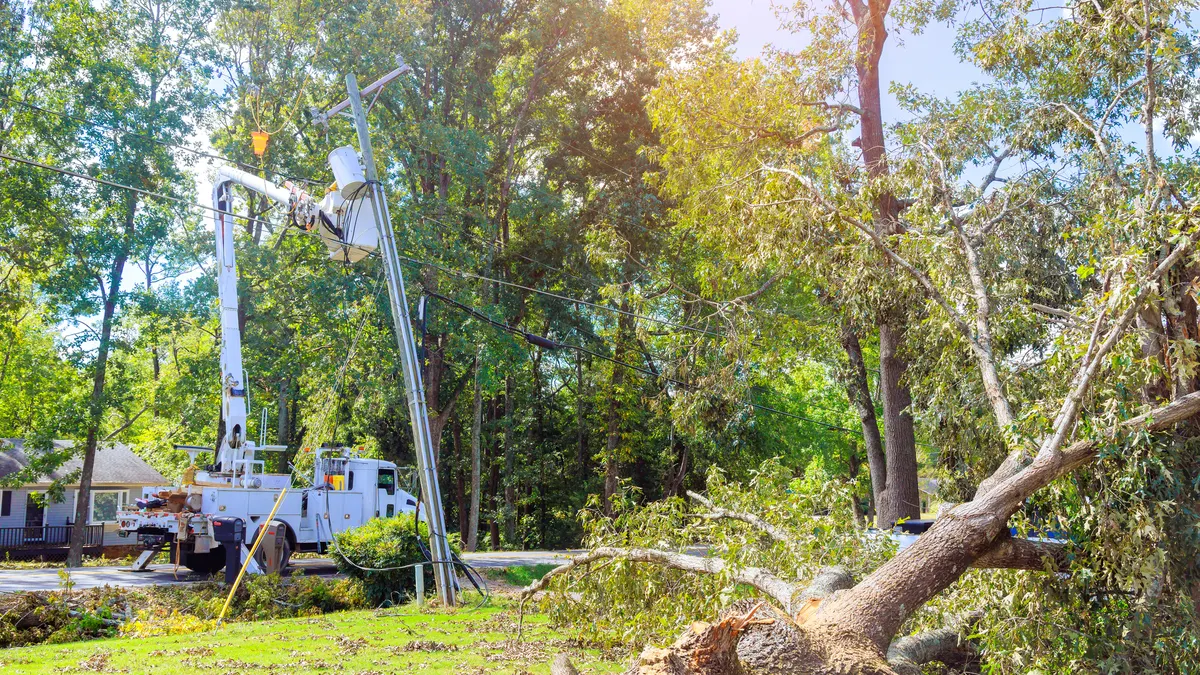
PECO, for example, proposed a $130 million, eight-year vegetative management program that would target areas with higher power outage levels.
The utility also proposed a program to study how residential solar and battery systems can lower costs for all its customers by reducing peak demand.
Most of PECO’s planned capital spending aligns with its $2 billion, PUC-approved Long-Term Infrastructure Improvement Plan, which includes projects to prevent storm-related outages, replace electric cables and replace or retire substation equipment and small substations, the utility said.
PECO is seeking a 10.95% return on equity and a 53.4% equity ratio, which will help the utility attract needed capital, according to testimony in support of the rate request filed by Ann Bulkley, a principal at The Brattle Group.
PECO’s current rates are based on a “black box” settlement that doesn’t specify its allowed ROE. The proposed ROE and equity ratio will support PECO’s financing needs for its capital expenditures, according to Bulkley.
PECO plans to spend about $9.8 billion on capital projects from 2026 through 2030, Bulkley noted. The planned spending totals about 88% of PECO’s net electric plant — a higher ratio than 16 peer utility companies. A utility’s net plant reflects the cost of its in-service infrastructure, minus depreciation.
“All else equal, [PECO’s plan] indicates a risk level that is higher than that of the companies in the proxy group,” she said.
The median CapEx to net plant ratio of a group of 17 utility companies, including PECO, is 52.6%, according to Bulkley.
PECO expects to nearly double its infrastructure base by 2031
With its heightened level of planned investment, PECO’s risk profile could be hurt if it under-recovers or is delayed in recovering its invested capital, Bulkley said. Also, an inadequate return would put downward pressure on PECO’s credit metrics, she added.
In arguing that PECO’s proposed ROE falls in a reasonable range, Bulkley said long-term interest rates are elevated and are expected to stay that way because of inflationary policies such as tariffs, tax cuts and uncertainty surrounding energy costs in the wake of the U.S. attack on Iran.
“With long-term interest rates expected to remain relatively high, borrowing also remains relatively more expensive, and thus investors also demand a relatively high cost of capital, which means the cost of capital also remains relatively high,” Bulkley said.
PECO has about 1.7 million electric customers in southeastern Pennsylvania.