Utilities, regulators and lawmakers are grappling with rising energy bills across the United States as electric demand is growing and power supplies are getting tight in some areas, particularly the mid-Atlantic states that belong to the PJM Interconnection.
Utility Dive talked with Tyler Anthony, president and CEO of Pepco Holdings, to get his perspective on affordability issues — including what role utilities could have in supporting adding generation in deregulated states, like the ones Pepco Holdings’ utilities operate in.
Pepco Holdings, an Exelon subsidiary, owns Potomac Electric Power Co., Delmarva Power & Light and Atlantic City Electric. Together, they have about 2.2 million customers in the District of Columbia, Delaware, Maryland and New Jersey. Last year, they earned $799 million on $7.1 billion in revenue, up from $741 million on $6.4 billion in revenue in 2024.
Pepco has a $128.1 million rate hike request pending in Maryland and DPL has a $47.6 million proposed increase in Delaware, according to an investor presentation from Exelon. The utilities are also seeking to increase their allowed return on equity to 10.5% in both states, up from 9.5% in Maryland and 9.6% in Delaware.
If approved, the proposed rate changes would increase average residential bills by 6.7% and 4.4%, respectively, according to Exelon.
This interview has been edited for length and clarity.
UTILITY DIVE: How have things changed in your business in the last five to 10 years? Where are we at the moment?
Tyler Anthony: Five years ago, we were heavily focused on electrification, and we were heavily focused on climate and resilience of the system. And five years later, the topic of affordability has overtaken the majority of conversations, as the priority for ourselves and the utility industry in general.
What has developed over the last five years is the perfect storm. We've had a combination of things occur that have driven prices for our customers to be untenable.
Let's take the PJM as an example. Fifty-five gigawatts have been retired between 2011 and 2023, and if you think of a gigawatt, it’s about 800,000 residential homes. Over in New Jersey, we took the last fossil plants off a few years ago, and last year, in the state of Delaware, we took off Indian River, which was the last fossil plant in that state. And then in Maryland, Brandon Shores is under a [reliability must-run contract], but asking to be shut down as well. And here in the District of Columbia, we're 100% imported. So the jurisdictions that I support are a window of what's happening in the broader sense of generation in the United States, as it pertains to these large, dispatchable units coming offline.
On the demand side, what are your utilities seeing and what's driving that?
Going back a few years, we had growth at about 1% but we had energy efficiency at about 1% in the opposite direction, so we were essentially staying flat. And for many years, our customers enjoyed a capacity, supply surplus.
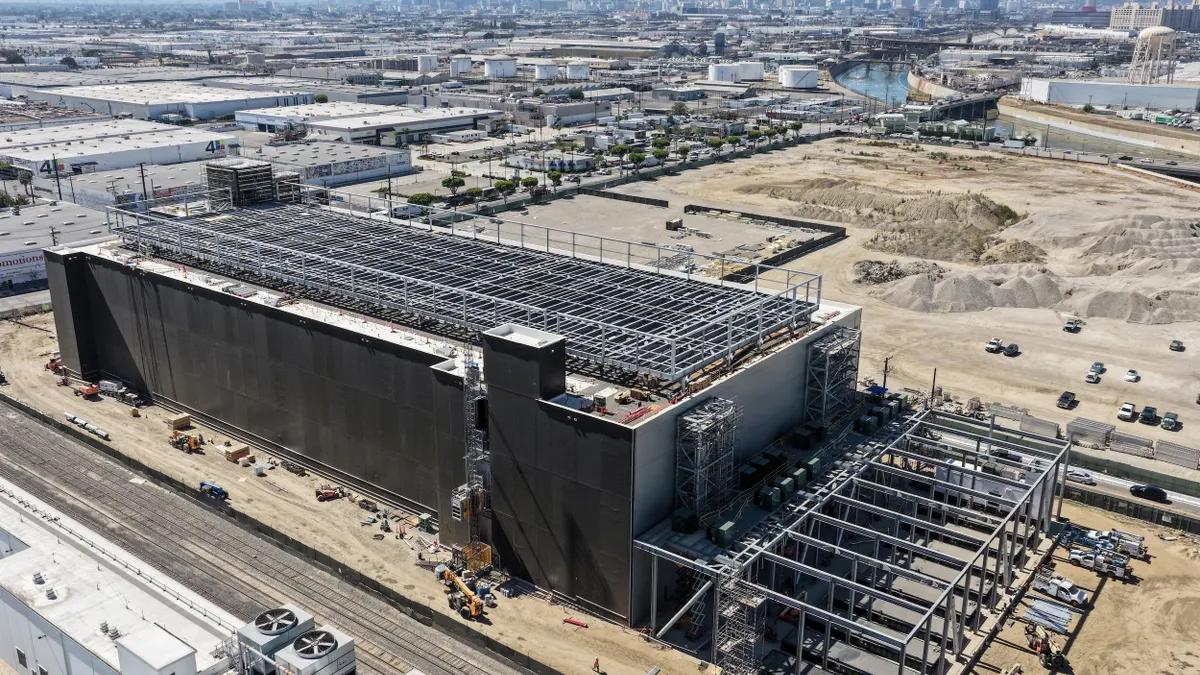
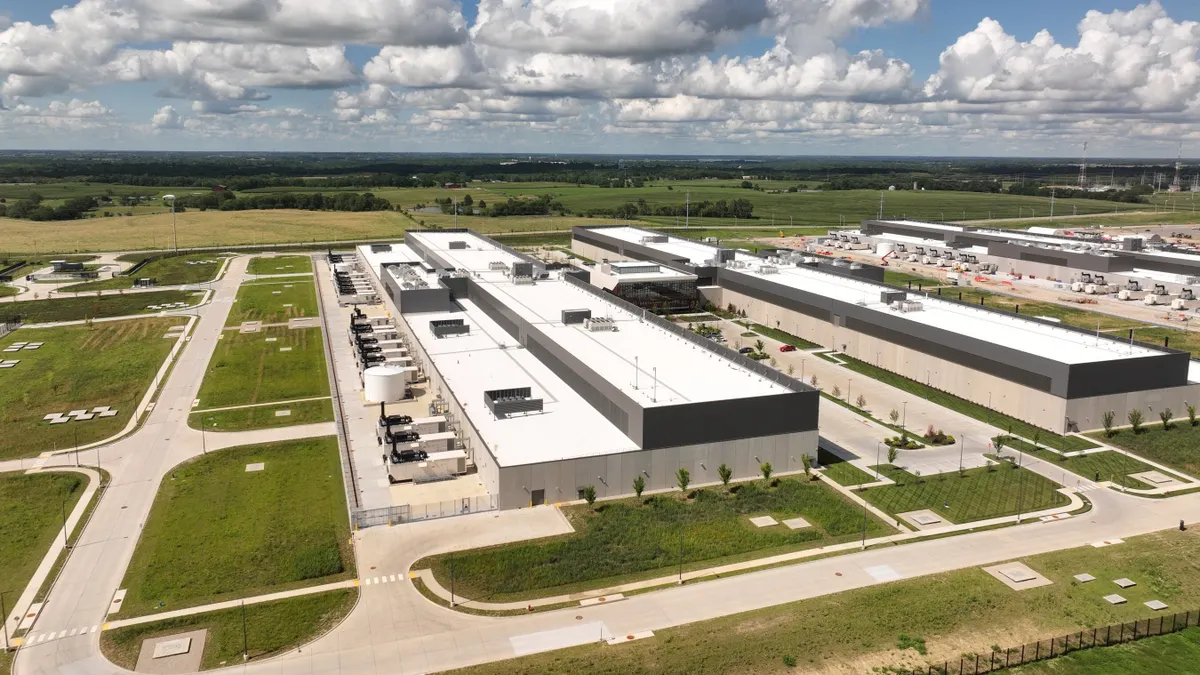
So data centers, they're definitely contributing to the problem. In my jurisdictions, I have 34 active projects at 13 GW now. Will half of those come to fruition? A third? But even if three or four happened ... you already start with that need for the capacity and supply.
Also, we're just using more as a society, with growth in business. And I'll give you a data point. In January, we had some of the coldest weather in a decade. If you compare our customers’ usage from the December, November timeframe to January, on average, they used 60% more. We've had more 90 degree days than we ever have in the past.
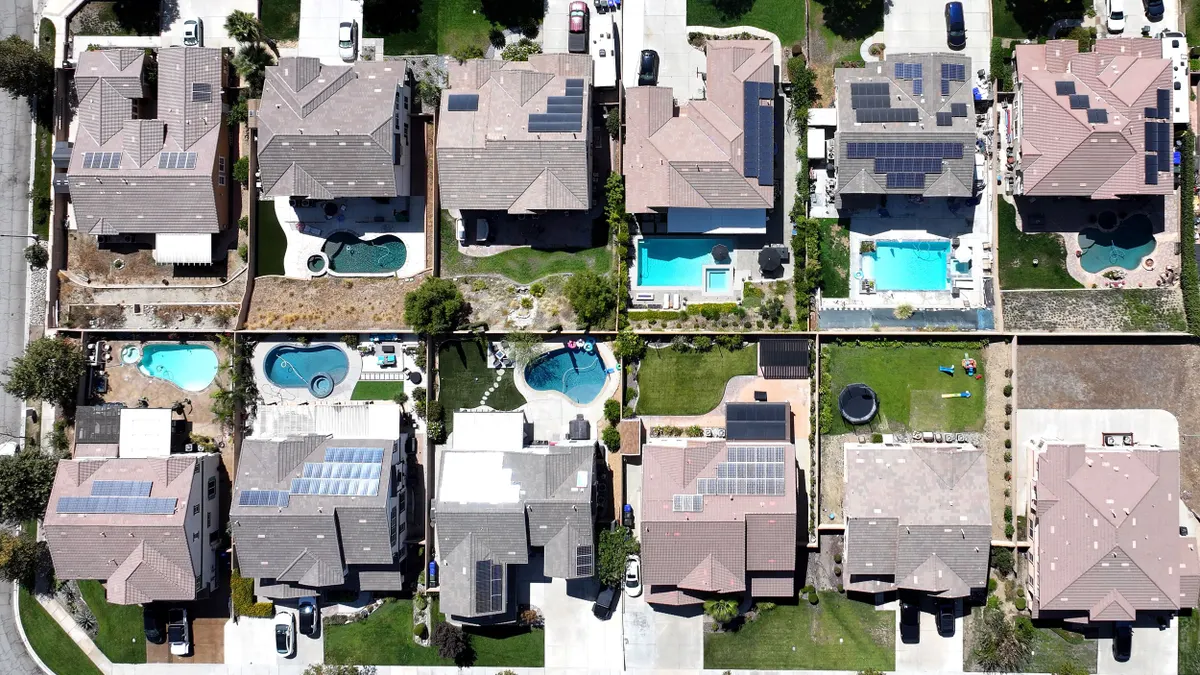
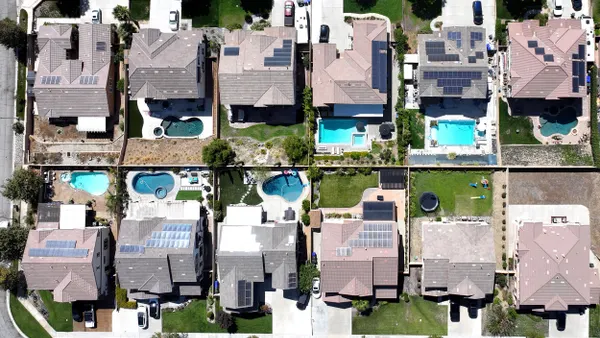
The last data point is about bringing on new generation. I have about 2 GW of installed solar on the system. I probably have another gigawatt under construction in various stages. And that solar, it's starting to provide a critical resource for us.
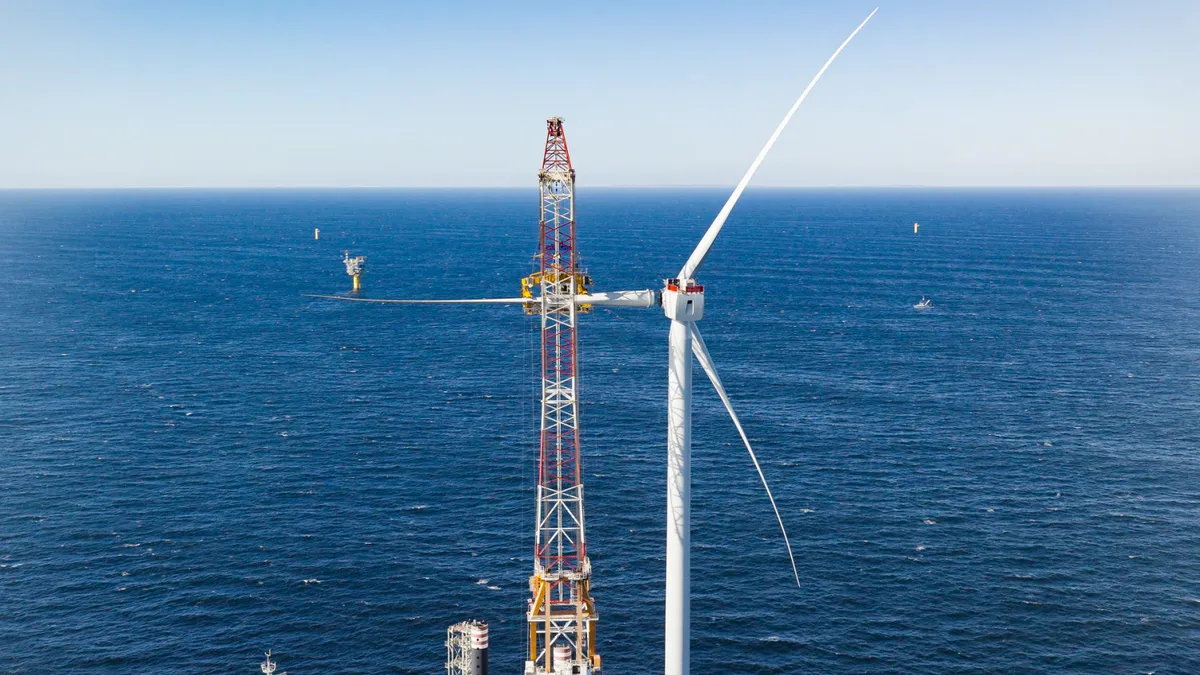
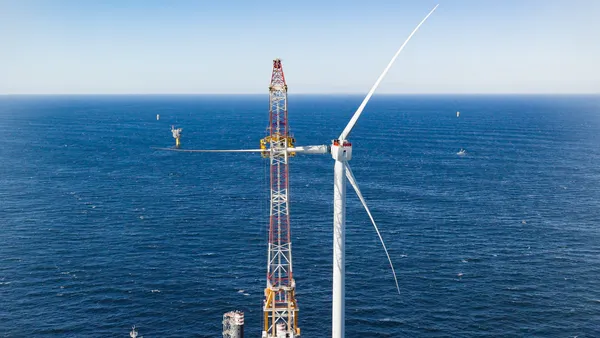
But that solar nowhere near matches what we've lost. And in my states, we were looking at 11 GW of offshore wind in New Jersey, there was another 8 GW of offshore wind in Maryland. But for various reasons, cost, etc., permitting, nothing's been built.
Those three or four factors have driven that capacity price. Three years ago, [the PJM capacity auction cleared] at $29/MW-day. Now this last auction was at $333[/MW-day], and that was with a [price] collar. PJM said without the collar, we would have been well over $530/MW-day.
One of the debates that's going on in PJM and certain states is what role utilities can have in helping add power supply. How are you thinking about that question?
It's about what options do we have, both short- and long-term. And in the short-term … we're going out of our way to connect everything in the queue. I happen to be an ‘all of the above’ strategist. Secondarily is battery systems. Some of these larger battery systems can really help us shave off that peak to give us some needed power at the most opportune capacity time. Battery systems don't need a big footprint.
And then third, large, dispatchable [generation], and my view is that the independent guys are sitting there asking if they should be building power plants. But think, if you're them, you already set a collar on the maximum [capacity] price … probably not high enough for them to say it's worth the run.
And then, if you go combined-cycle gas ... if there's not a lot of gas infrastructure, to be running these 36 inch gas mains, you might need another billion dollar project to get the gas to a location. So now you have a high cost to build a plant. You may or may not have the infrastructure for combined-cycle gas, and then net, the price is so high, we're sitting here and nothing's happening.
So do you see a role for utility ownership for your three utilities?
If the merchant, independent guys won't build, we will. We want them to show up. But, if they don't, these are our customers. We'll build it. We have the technology. We’ve got the people.
If you look at the states where large dispatchable is being built — West Virginia, Kentucky — they're all regulated states. Why is that? It's because that state can control what's built, how it's built, what happens to the power, and it really comes down to the cost model of how you're going to pay for it.
I try to tell our stakeholders: Look at all the options. We have a bill in Maryland that we're supporting around regulated generation. Our margins for our shareholders might be slightly lower than, say, a Constellation [Energy], being an independent guy, because there's less risk for us and we're controlled by the regulator.
Some regulated generation is needed in this short term to get us past this spot we're in.
PJM has come under fire from all sides over the last couple years, maybe starting with that first capacity auction where the price really jumped. How do you think they're doing?
There are two arguments. There's one argument that some states used to have resource planning departments, and then we all became a part of PJM, and those departments went away with the thought that PJM is taking care of that for us.
And then the belief was that competitive markets would show up when the need was there, and it worked great.
I don't think that the current PJM structure and the current regulatory model that they work under works in a time where so much generation has come offline, and these data centers are coming online faster than we can keep up with them. I think that market structure is a little bit broken.
And then when you do a thing like add a collar to a competitive market — although I think in the short term, it was more than the right thing to do — what does it do for competitive markets?
The accountability to PJM … I hate to point the finger solely at them, but they are responsible for resource planning. Could they have seen this and planned better? It’s debatable.
What’s driving customer bills and what can utilities do about affordability?
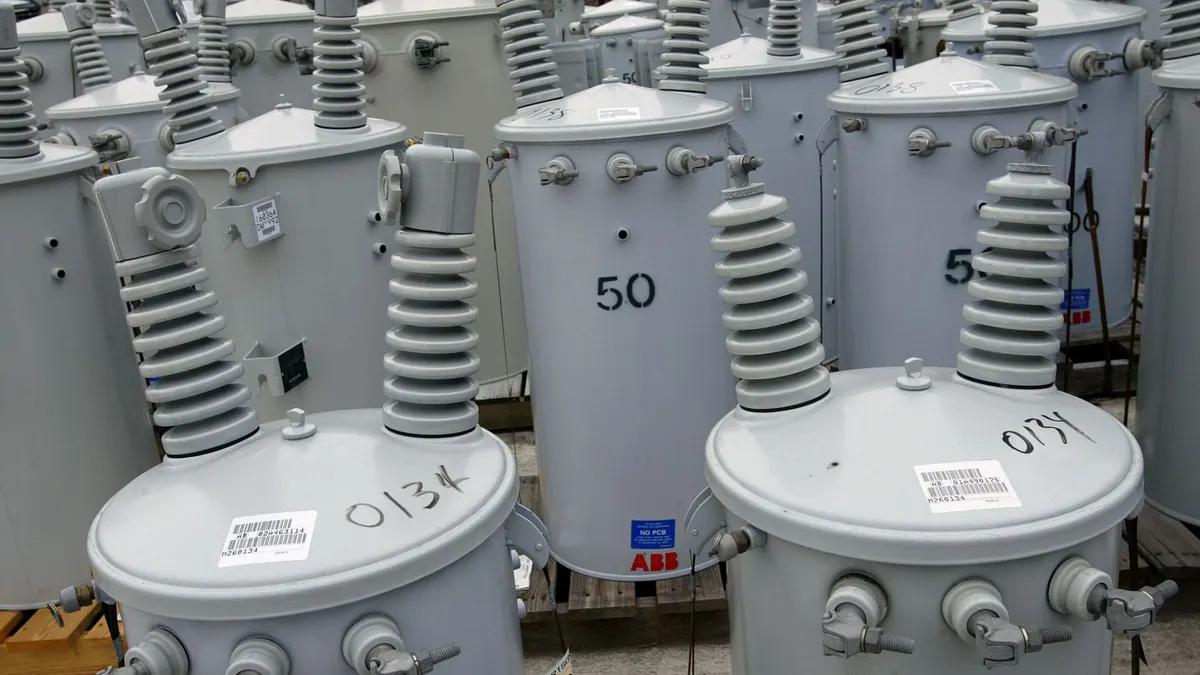
I made needed investments in the system. I'm an operator. If you asked me, can that 40-year-old transformer get another two years? You're making those asset decisions all the time.
So we've made investments, and that bill has gone up on our side — roughly 50%, 60% of the bill is on the supply side. The other side is my side, and we have also increased that bill.
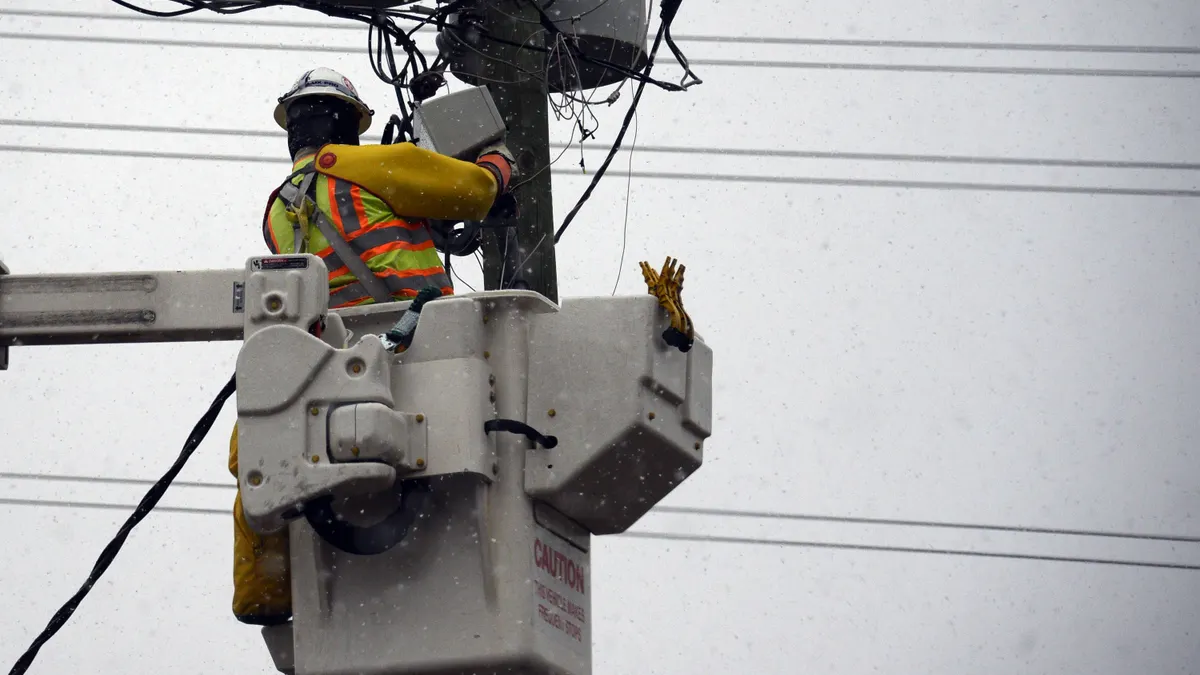
We need to own our investments. And I'd like to think, with some of those stats, that those investments were prudent and they provided our customers value. Most recently here, we've had some significant weather events. We just had two feet of snow in some of our jurisdictions, and the system held up very well. You start to see those things pay off.
On the second part of your question, what are we doing about it? The first thing Exelon did is said our customers really need relief. So we took shareholder dollars, over $50 million, and created the customer relief fund that allowed, in many of Exelon’s jurisdictions, up to a $300 reduction of your electric cost.
We've been doing budget billing, suspending interest on unpaid bills, extended payment terms. Customers can sign up for an application called My Account, where we'll send you every day how much electricity you've used, what the dollars of that is like. Can I make you smarter? Doing some of this fundamental stuff, like just a few degrees off your thermostat. The best kilowatts are the ones you don't use.
And then, from a legislative standpoint, we just passed [in Maryland] one of the best low- to moderate-income plans that limits your energy bill to 6% of your total earnings. And in the District of Columbia, working with Mayor [Muriel] Bowser, they have the Solar For All program that's working toward 100,000 low-income customers on solar, where you can get almost up to a 50% reduction in your bill.
I'll call the last one my internal cost. There's no decision I make as a CEO that doesn't have to answer two questions: what's the customer benefit and what's the affordability model of that decision.
Last Friday, I'm over in New Jersey. We're meeting with all the major fire wardens of the state. I have 60% of my infrastructure in the Pinelands, which is severe wildfire risk. So how do we manage that risk, and how do we do it at a low cost?
I've been doing this a long time … and you try to be trustworthy. Trust is a big deal. And when you have these high bills, it erodes that trust and it eats at you.