GE Vernova reported strong order growth across all three of its business segments in the first quarter of 2026, including in a wind segment hit by what it called weak developer demand and unfavorable U.S. tax and tariff policies. The company’s stock was up nearly 14% at the close of trading Wednesday.
In a prepared statement, CEO Scott Strazik said “accelerating” demand from a diverse array of customers had set up his company to “serve the growing, long-cycle electric power market” for years to come.
The company’s fast-growing electrification segment got a boost in February as GE Vernova completed its acquisition of the remaining 50% stake in Prolec GE, a grid equipment provider. Prolec GE previously operated as a joint venture between GE Vernova and Xignux, a Mexican industrial conglomerate.
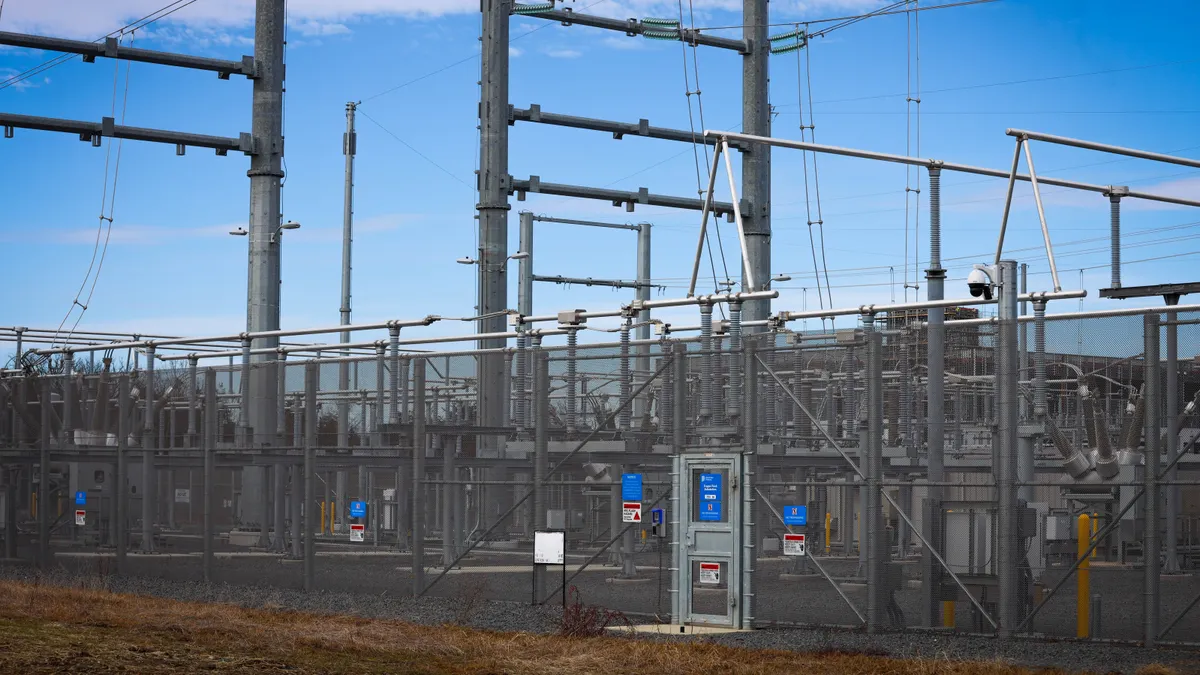
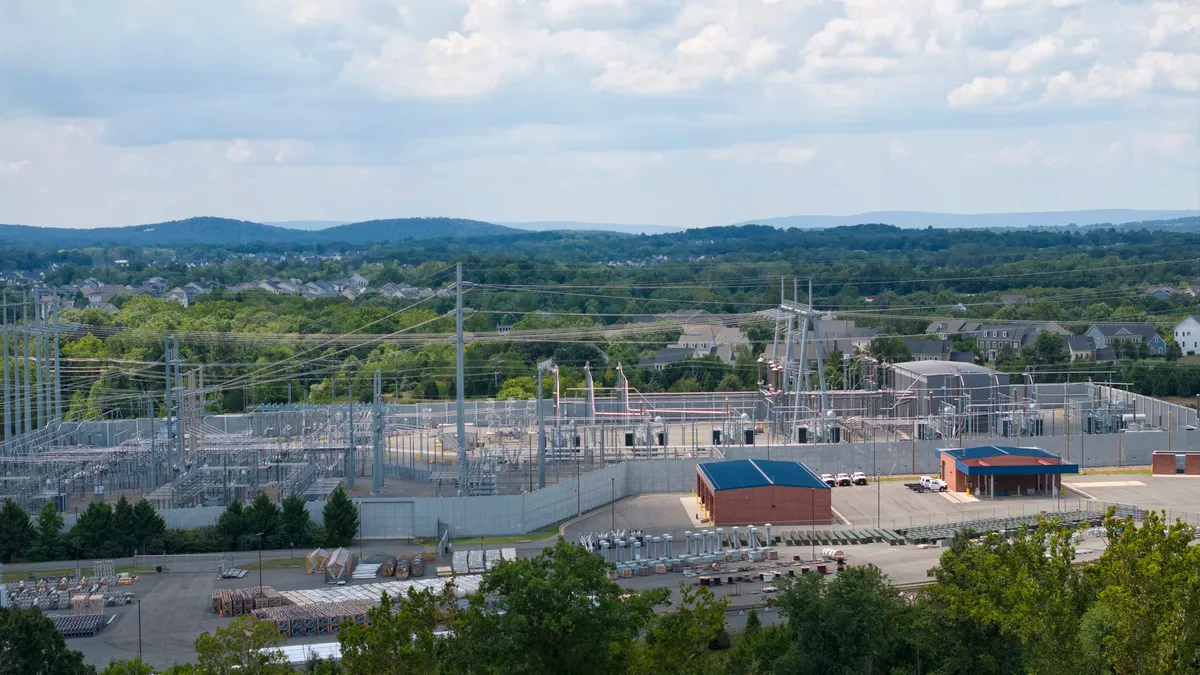
Prolec GE has already supplied about $500 million in incremental revenue for its electrification segment, which manufactures switchgears, substation equipment, transformers and HVDC infrastructure. The company expects the acquisition to contribute about $3 billion to its top line in 2026, Chief Financial Officer Ken Parks said on Wednesday.
Gas and nuclear power
GE Vernova’s gas turbine backlog reached 100 GW in the first quarter, up sharply from 83 GW at the end of 2025. Parks said the company shipped 25 gas turbines in the quarter, a 32% increase from the first quarter of 2025, with pricing rising faster than the inflation rate.
“We continue to be in that 10% to 20% growth in price on new bidding and winning activity today relative to where we were in the backlog in the fourth quarter of last year,” Strazik said later on the Wednesday call. “The dollar-per-kilowatt growth is going to be very healthy in the second quarter of this year.”
As was the case in Q1 2025, most turbine orders and bookings this quarter were for heavy-duty machines rather than lighter-grade aeroderivatives, the company said.
GE Vernova expects at least another 10 GW of incremental growth in the turbine backlog through 2026, according to a summary of its quarterly report. On Wednesday, Strazik said the company had about 10 GW of turbine production capacity remaining through 2030 and “continue[s] to expect to take on orders for 2031 and beyond.”
Though its gas turbine equipment and services continue to drive GE Vernova’s Power segment, it also saw a significant uptick this quarter in nuclear power equipment orders and service bookings. The company cited “large orders for upgrades” at nuclear power plants in its quarterly earnings presentation.
Electrification
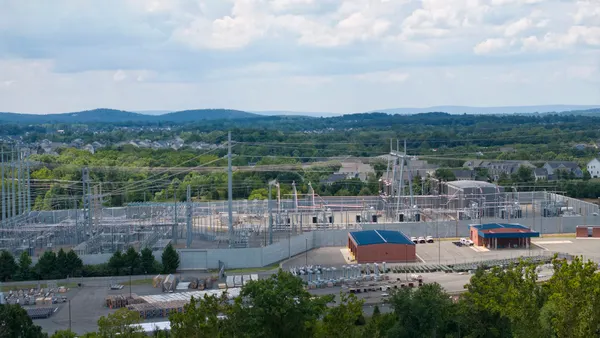
GE Vernova’s electrical equipment and services business notched 86% organic year-over-year order growth in the first quarter thanks to strong demand for switchgear, transformer, substation and HVDC equipment.
The segment’s order backlog rose from $25 billion a year ago to $42.4 billion in Q1 2026.
Strazik echoed comments from previous investor calls about what the company believes is a multiyear demand cycle driven by utilities, data centers and other grid equipment customers.
On Wednesday, Strazik said data centers were responsible for about $2.4 billion in orders for electric equipment during the first quarter – more than all of last year.
“Just to repeat that: Our Q1 electrification orders to data centers were more than full-year 2025 results,” he said.
GE Vernova is increasingly focused on delivering an “integrated solution” that combines power generation and transmission infrastructure, Strazik said.
“Where we are doing really good business is where we are attaching that equipment to the power generation solutions,” he said.
Wind
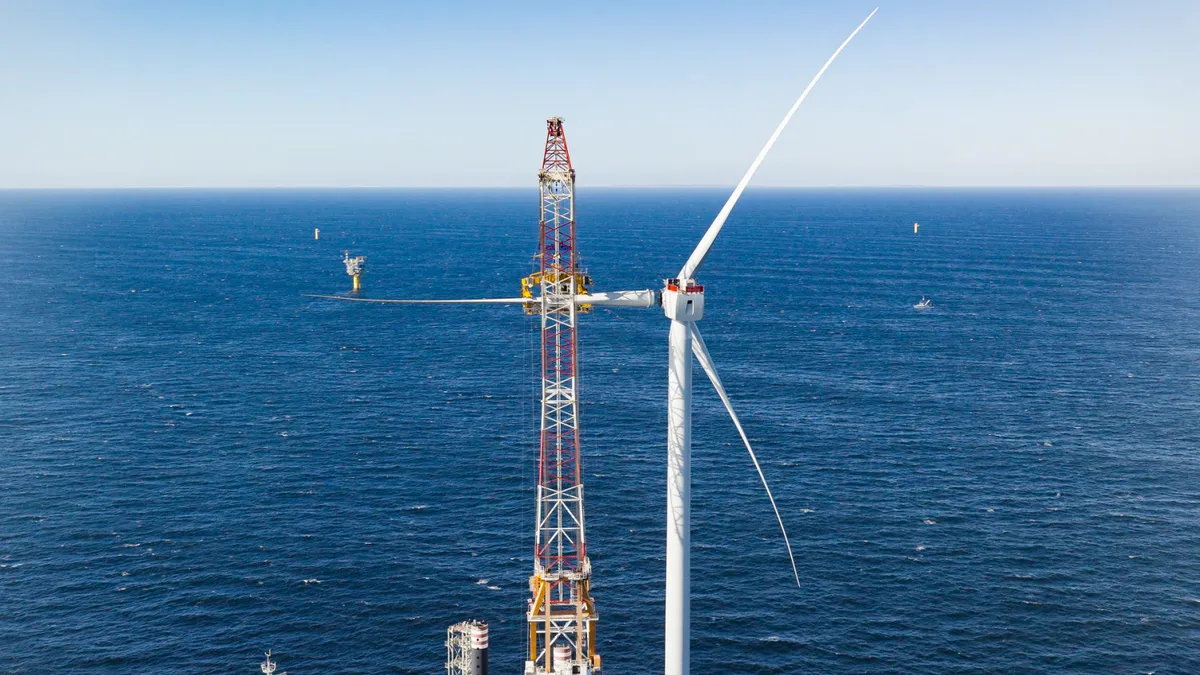
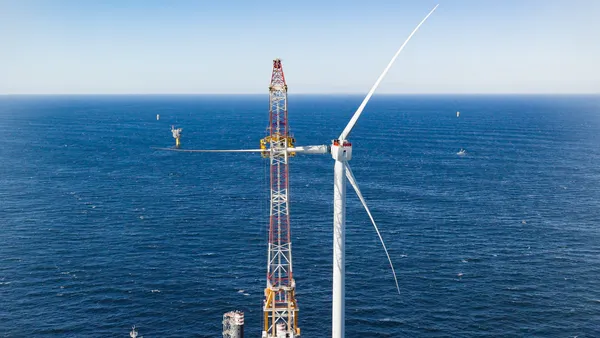
GE Vernova’s Wind segment saw revenue drop about 25% from Q1 2025 despite higher onshore wind equipment orders in North America and other markets. Parks cautioned that the 85% organic increase in orders from Q1 2025 benefited from “a low year-over-year comparison.”
“For now, it is still difficult to call an inflection point in U.S. orders as customers still face permitting delays and tariff uncertainty,” he said.
Parks’ update echoed language GE Vernova provided in a more detailed regulatory filing in January.
“[R]egulatory policies influencing renewable energy mandates and grid integration standards directly impact the demand for wind energy,” GE Vernova said at the time. “Reductions, elimination, suspension or adverse modifications have and could in the future limit markets for new projects, reduce returns on projects or manufacturing, lead to project abandonment, or impair investments.”
In the January filing, GE Vernova also said “[i]ssues with grid connectivity and customers’ ability to sell generated electricity could delay projects, reduce output, demand and revenues, increase costs, and cause reputational harm” across all its business lines.