President Donald Trump on Monday called for using the Defense Production Act to build out the power grid and support fossil fuel production in a series of executive memoranda, but the extent of their impact will depend on available funding and the specifics of how DPA actions are targeted, experts told Utility Dive.
The DPA gives the president “an array of authorities to shape national defense preparedness programs and to take appropriate steps to maintain and enhance the domestic industrial base.”
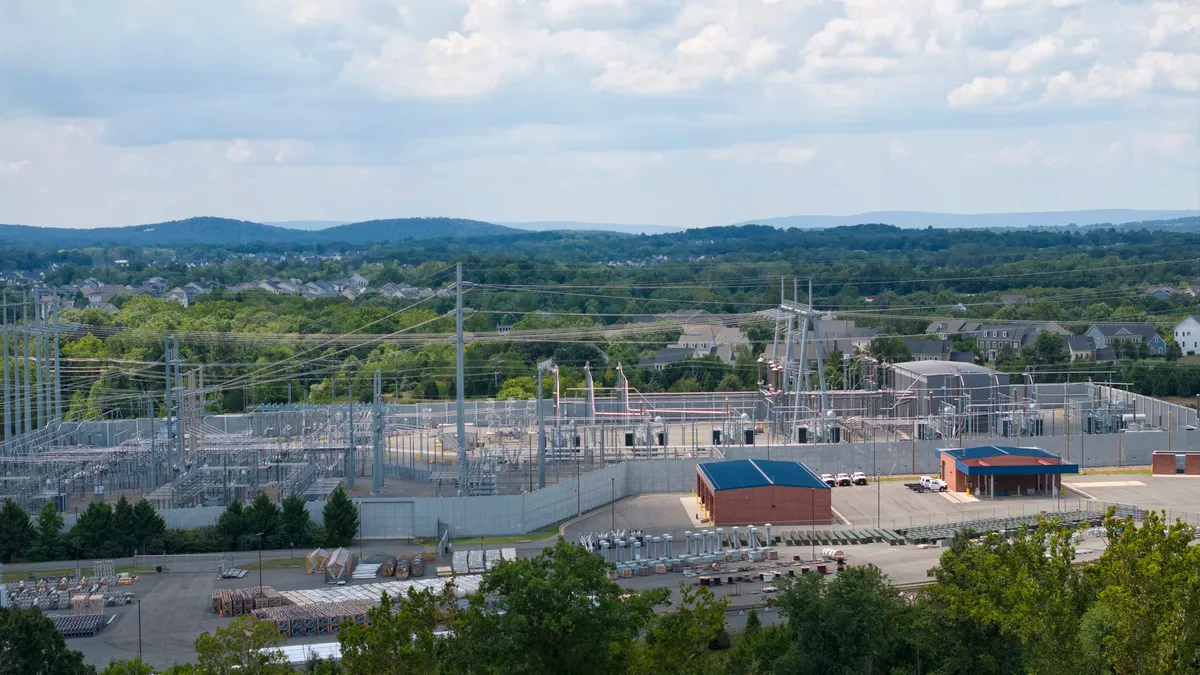
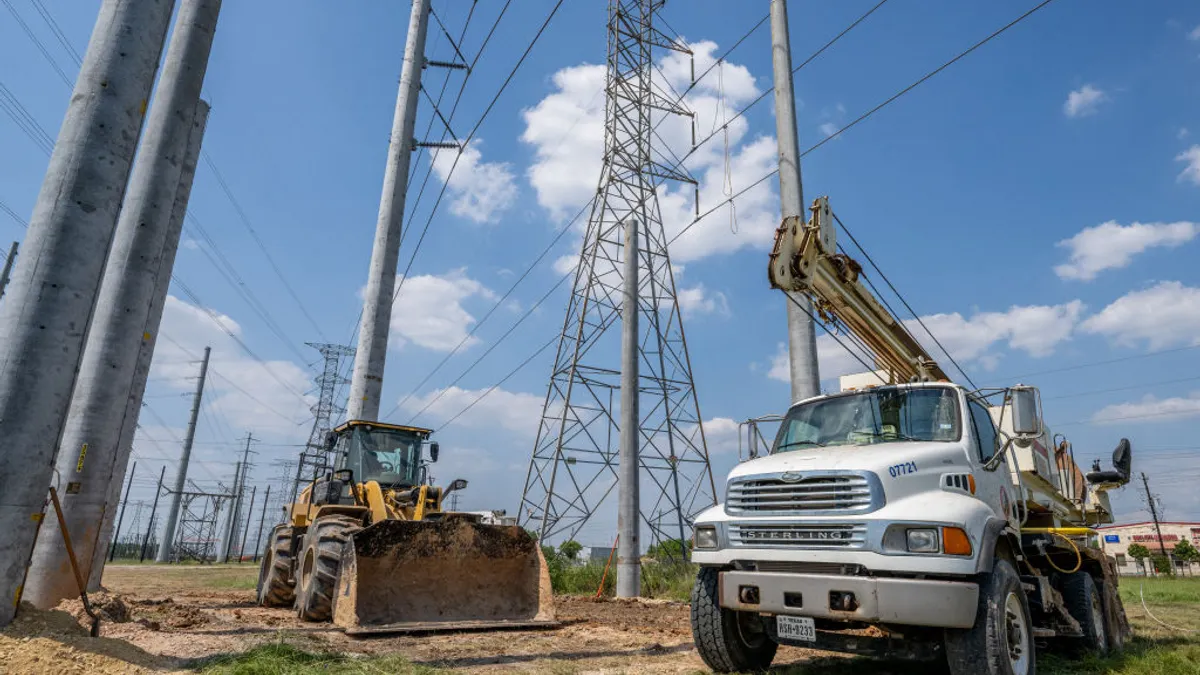
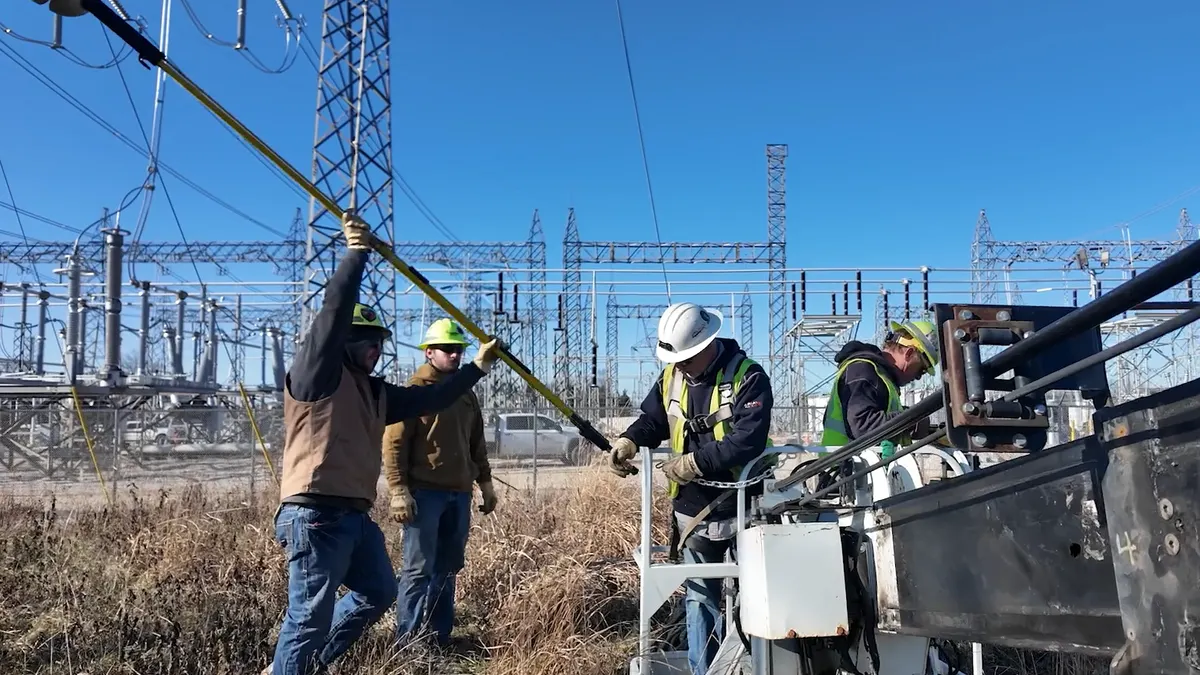
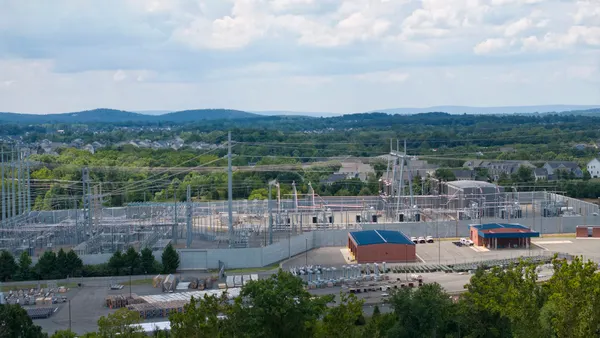
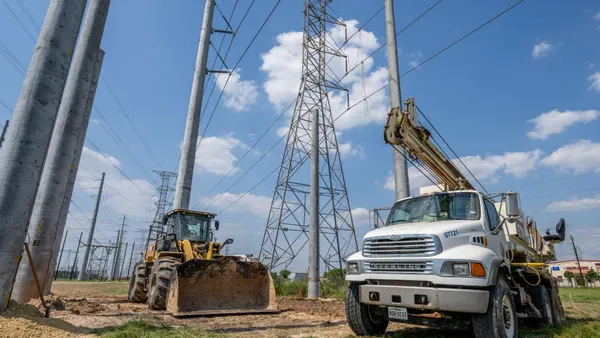
The need for electricity in the U.S. is rising rapidly after decades of stagnation, and critical grid components are in short supply. Trump’s DPA memorandum on grid equipment called out the United States’ capacity to produce and deploy transformers, high-voltage transmission components, advanced conductors, power electronics, substations and grid-supporting manufacturing equipment, as “dangerously limited.”
The move by Trump to invoke DPA is “a step in the right direction,” Spencer Pederson, senior vice president of public affairs for the National Electrical Manufacturers Association, told Utility Dive in an interview.
Pederson said DPA funding could help build out manufacturing capabilities of critical grid infrastructure, but NEMA is waiting on more details and anticipates guidance will come from the U.S. Department of Energy. In the meantime, distribution transformer backlogs are running a year or more — about twice the historical lead time, he said, though there have been recent improvements.
“The products that NEMA members make are integral to a secure, reliable and affordable grid, and we need to use every tool in the toolbox to help make more of those here at home,” Pederson said. “The question really is: How much money is available, in terms of Defense Production Act funding?”
According to Jean Su, energy justice program director at the Center for Biological Diversity, there isn’t a lot. For Fiscal Year 2026, there’s about $323 million remaining, she said, though the federal government will have other financial mechanisms it can turn to. The announcement could also send a “political signal” to industries, she added.
More DPA funding could be appropriated for FY2027, Su said, but she’s “not sure that this is on Congress' radar to replenish the DPA fund in some meaningful way.”
“It's always just been hovering in the hundreds of millions, so it's just not that much,” she said.
The White House did not immediately confirm the amount of available DPA funding.
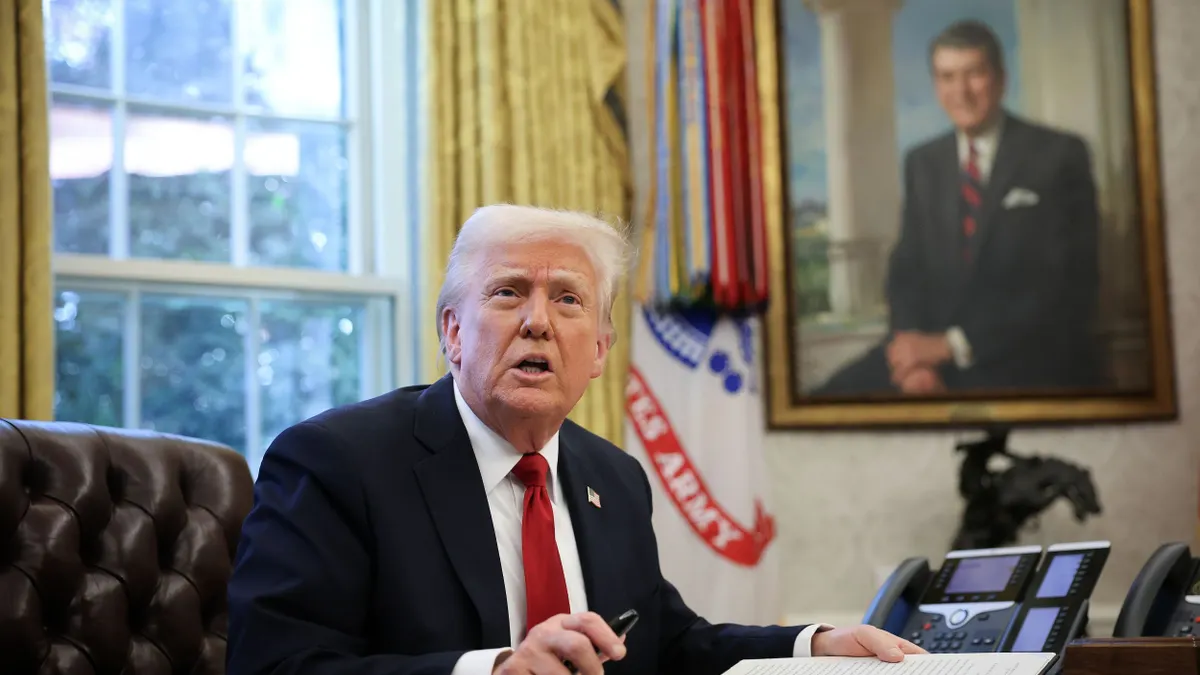
Trump issued five presidential determinations under Section 303 of the Defense Production Act of 1950 to expand critical domestic energy capabilities.
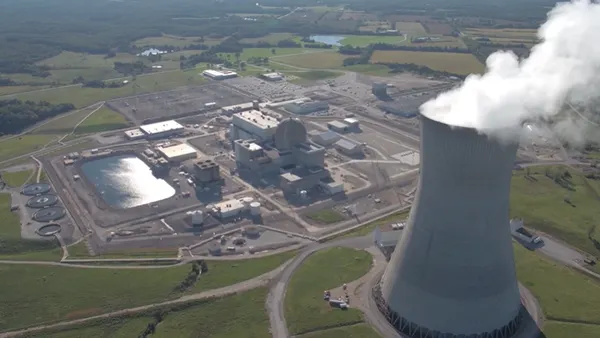
The memorandums covered large-scale energy and energy-related infrastructure, gas transmission, liquefied natural gas capacity, coal supply chains and baseload power generation.
The determinations name these areas as essential to national defense and can authorize a range of DPA tools, including purchases, commitments, financial support and other actions, according to a White House official.
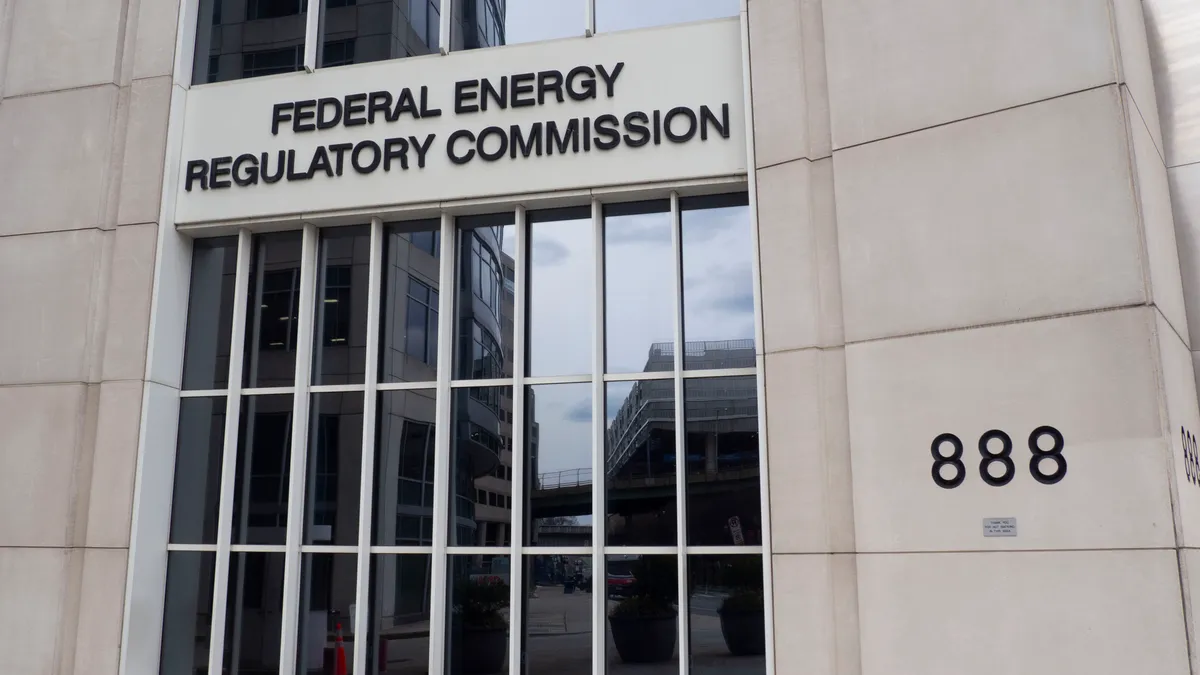
The determinations allow DOE “to use funding secured in the One Big Beautiful Bill to strengthen our grid infrastructure and unleash reliable, affordable, secure energy,” White House spokeswoman Taylor Rogers said in an email.
Electricity demand is expected to rise significantly in the next decade, with new data centers accounting for much of the increase. Summer peak demand across the bulk power system is forecast to grow by 224 GW over the next 10 years, a 24% increase from 2025 peak demand, according to the North American Electric Reliability Corp.
The Edison Electric Institute, which represents investor-owned utilities, said it supported the White House move to strengthen domestic manufacturing of grid infrastructure components.
“America’s electric companies are working closely with the federal government and manufacturers to expand domestic production of critical grid equipment, including transformers,” EEI spokesperson Dani Marx said in an email.
Pederson, from the manufacturers association, said NEMA sees Title 3 of the DPA allowing the government to bolster U.S. industrial capabilities by purchasing or making purchase commitments; making subsidy payments for domestically produced materials; and installing and purchasing equipment for government and privately owned industrial facilities.
Supply chain constraints have “gotten better, but the demand hasn't gone down and I don't think it's going to,” Pederson said. Manufacturers have adjusted to new efficiency standards for transformers, and companies like Eaton and Hitachi have announced investments in transformer manufacturing. And the most recent storm cycle was not as bad as the previous year, easing the need for replacements, he added.
Pederson also said NEMA is expecting the White House to issue an executive order related to the power grid sometime in the future.
“There's some interest in grid enhancing technologies and other types of infrastructure and technology that can help put more electrons on the grid in the short term, until we get to the new generation,” he said. “I expect probably some emphasis on hydro and geothermal and nuclear as well.”
By itself, Trump’s efforts to expand production of grid equipment could be a good thing, said Tyson Slocum, energy program director for Public Citizen. But he is not optimistic.
“Everyone knows we have critical supply chain shortages of needed grid infrastructure,” he said in an email. But those investments into the electric grid supply chain “will be drowned out by Trump's competing [executive orders] pushing political priorities to prop up coal, oil and natural gas exports,” he said.
“The finite financial resources available under DPA are going to be prioritized for gas and petroleum exports, which isn't going to help our domestic energy needs,” Slocum said. “The last year has proven that Trump's emotional campaign to stop the clean energy transition and promote fossil fuels no matter the cost is derailing any effective policy solutions.”