Public Service Enterprise Group expects its operating earnings will grow by 6% to 8% a year through 2030, one percentage point higher than a year ago, company officials said Thursday during an earnings conference call.
However, there are developments underway in New Jersey that could push those estimates higher, according to Ralph LaRossa, PSEG chair, president and CEO.
PSEG may have opportunities to contract existing and additional generating output and make additional regulated capital investments that aren’t included in the company’s investment plan, LaRossa said.
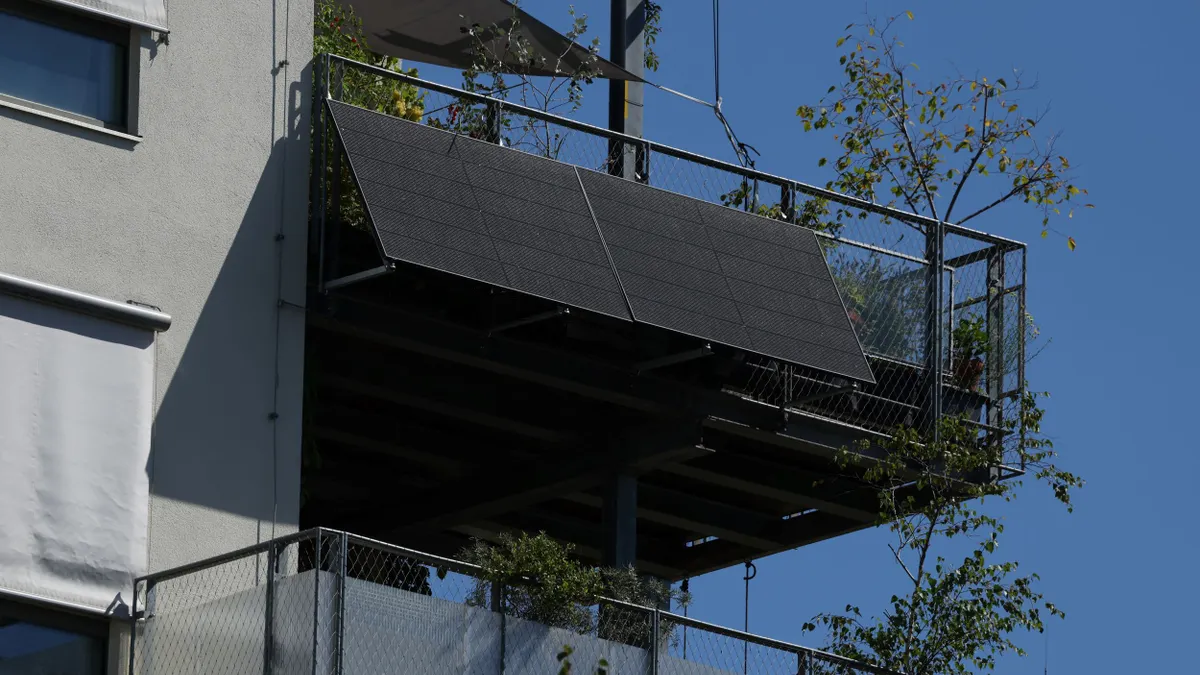
“The supply-demand dynamic we are seeing in New Jersey has prompted executive orders to be issued to explore supply options, including the development of an additional 3,000 MW of community solar and battery storage,” LaRossa said.
Also, state lawmakers are considering bills that could spark the development of nuclear and gas-fired generation in the state, LaRossa noted. A bill was introduced Wednesday that would require the New Jersey Bureau of Public Utilities to issue a solicitation for at least 1.1 GW of gas-fired generation.
“We look forward to working with policymakers to advance energy strategies and resources that secure affordable, reliable and diverse energy supplies and support legislation that would increase competition for generation supply should New Jersey decide to pursue new in-state generation,” LaRossa said.
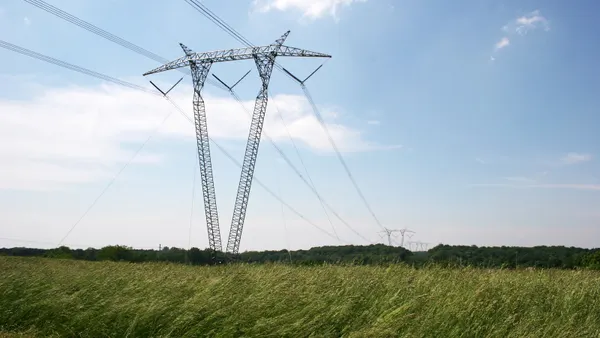
Also, PSEG could invest in PJM Interconnection transmission projects, LaRossa said. The BPU is reviewing the state’s ability to interconnect distributed energy resources, which could lead to increased spending in utility distribution systems, he added.
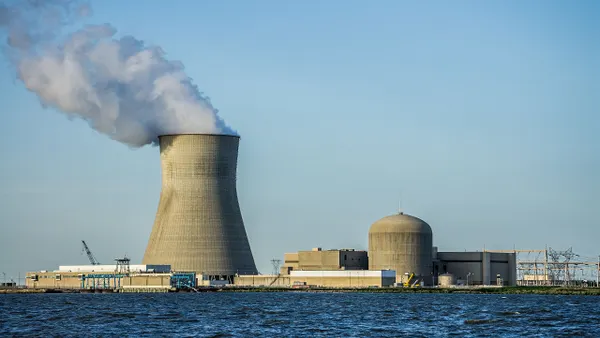
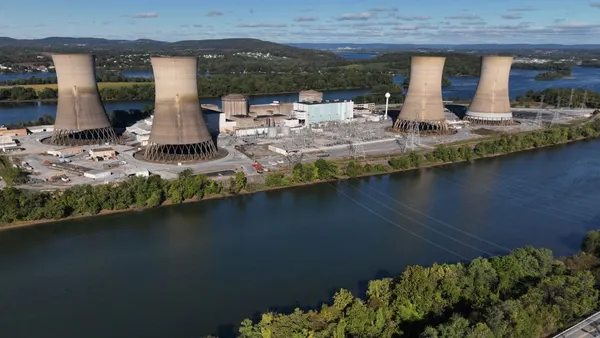
PSEG’s main subsidiaries are Public Service Electric and Gas Co. and PSEG Power. PSE&G has about 2.4 million electric customers and 1.9 million gas customers in New Jersey. PSEG Power owns 3,758 MW of nuclear capacity in New Jersey and Pennsylvania.
PSEG continues to evaluate investment opportunities in regulated transmission, the Newark, New Jersey-based utility company said in its annual report filed with the U.S. Securities and Exchange Commission.
However, transmission development often faces a range of hurdles. In 2023, for example, PJM awarded PSEG a $424 million, 500-kV project to address load and reliability issues in Maryland and northern Virginia, with a 2027 in-service deadline. PSEG doubts it will meet the in-service target given how long the Maryland Public Service Commission plans to review the project, PSEG said in the SEC filing.
In the filing, PSEG noted that PJM is considering options for adding generating capacity to its system, including through a possible special reliability auction in September.
“One of the open questions is which set of customers will pay the generation procurement costs, and whether zones where demand exceeds supply will pay a proportionately larger allocation of costs,” the company said.
PSEG also noted that it stands to lose $40 million in income if the Federal Energy Regulatory Commission advances a pending rulemaking and stops giving utilities an extra 0.5% return on equity for being a member of a regional transmission organization.
Meanwhile, on the affordability front, the average monthly bill for PSE&G’s residential customers will fall 1.8% starting June 1 based on the state’s latest “basic generation supply” auction, which procures capacity for utility customers that don’t buy power from third-party suppliers, according to the company. The average residential bill would fall to about $180 a month, according to the BPU.