Zuha Maryam Shaikh is deputy director of market innovation at Clean Energy Works.
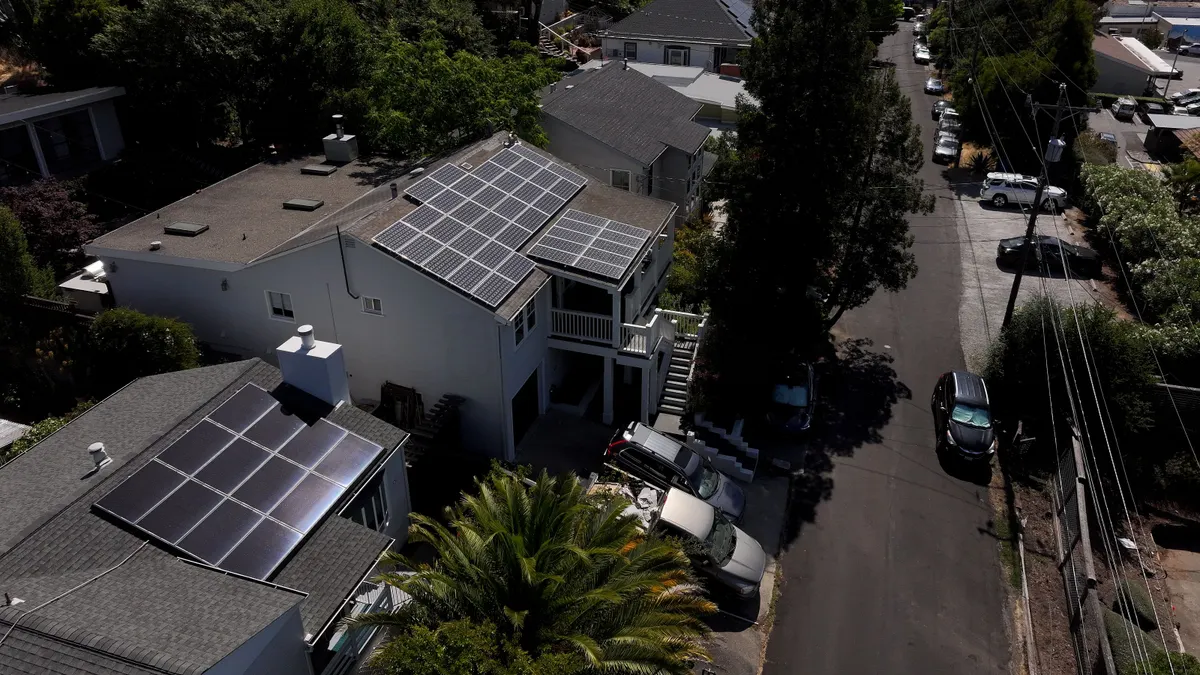
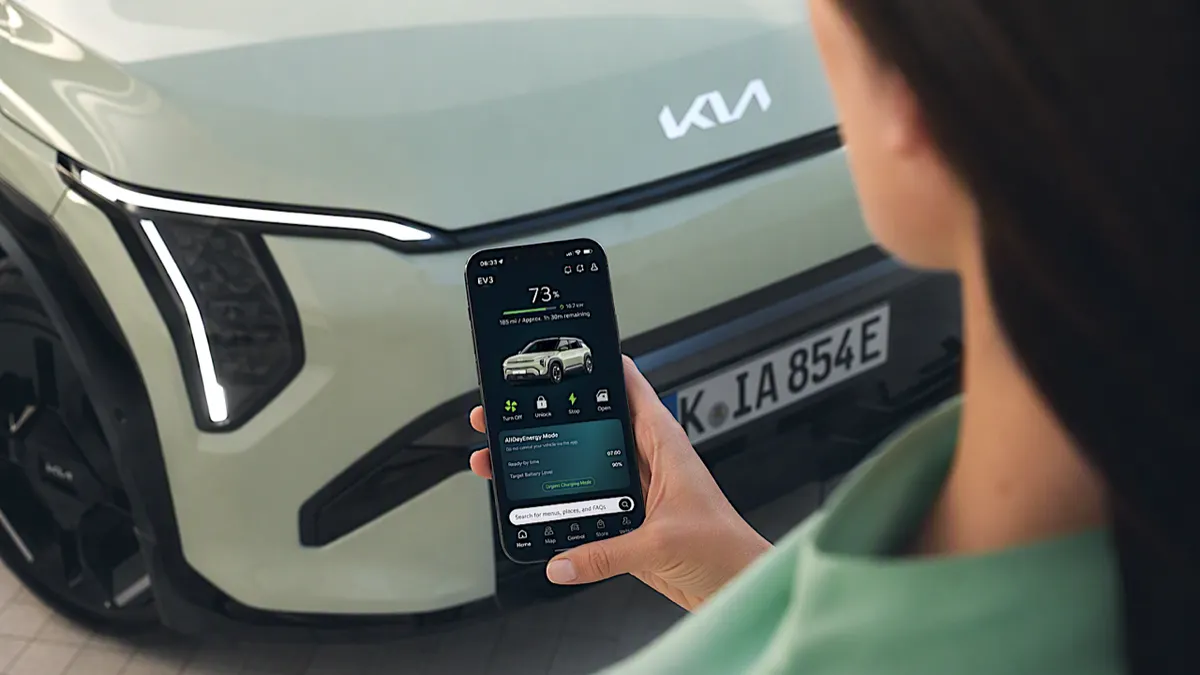
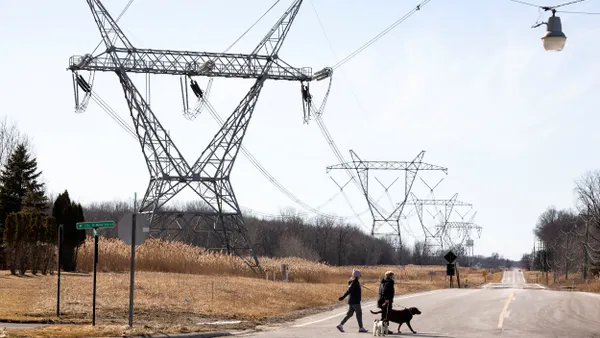
Utilities know that they cannot build new poles and wires fast enough to meet the growing power demand. Tapping into distributed energy resources — flexible technologies like electric vehicles, water heaters and batteries — has emerged as one of the most promising solutions to balance the need for additional energy infrastructure while preventing higher energy prices.

The participation of DERs in virtual power plants unlocks their maximum potential to deliver greater grid value and help avoid costly grid upgrades. According to Canary Media, 34 states have programs that call on utilities to use distributed energy resources to combat rising electricity prices, while at least a dozen states — including Illinois and Virginia — are considering or have already passed legislation to launch and expand virtual power plants. Customers are paid for lowering or deferring their energy use — often without needing to actively manage their flexible technologies — by allowing some level of control over their devices in exchange for financial compensation.
Because virtual power plants enabled through DERs are cheaper and faster than building new peaker plants and transmission lines, this can limit increases in base rates for all customers. The question then arises: how many customers will have flex capacity to offer?
Currently, only customers who already have DERs or who are able and willing to use their own cash or credit to buy flexible devices are able to participate. As of 2026, around 28% of U.S. homes have smart thermostats but the number that participate in any utility program for demand response is much lower. When it comes to electric vehicles, chargers and batteries, that number falls steeply.
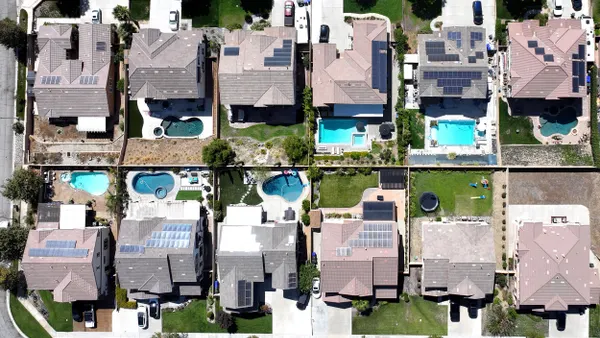
The upfront cost barriers deter tens of millions of renters and homeowners from getting DERs, and already they are being left behind. This also means that the critical mass of flexible devices needed to deliver more flex capacity through virtual power plants cannot be met, despite more than half of the U.S. states undergoing planning, pilots or implementation. Far from being an equity issue only, this is a roadblock in states meeting their grid flexibility and affordability goals unless we address the glaring gaps in access to DERs.
Inclusive utility investment is a proven market mechanism that enables DERs to scale beyond affluent early adopters and creates a feasible pathway for broader participation in virtual power plants.
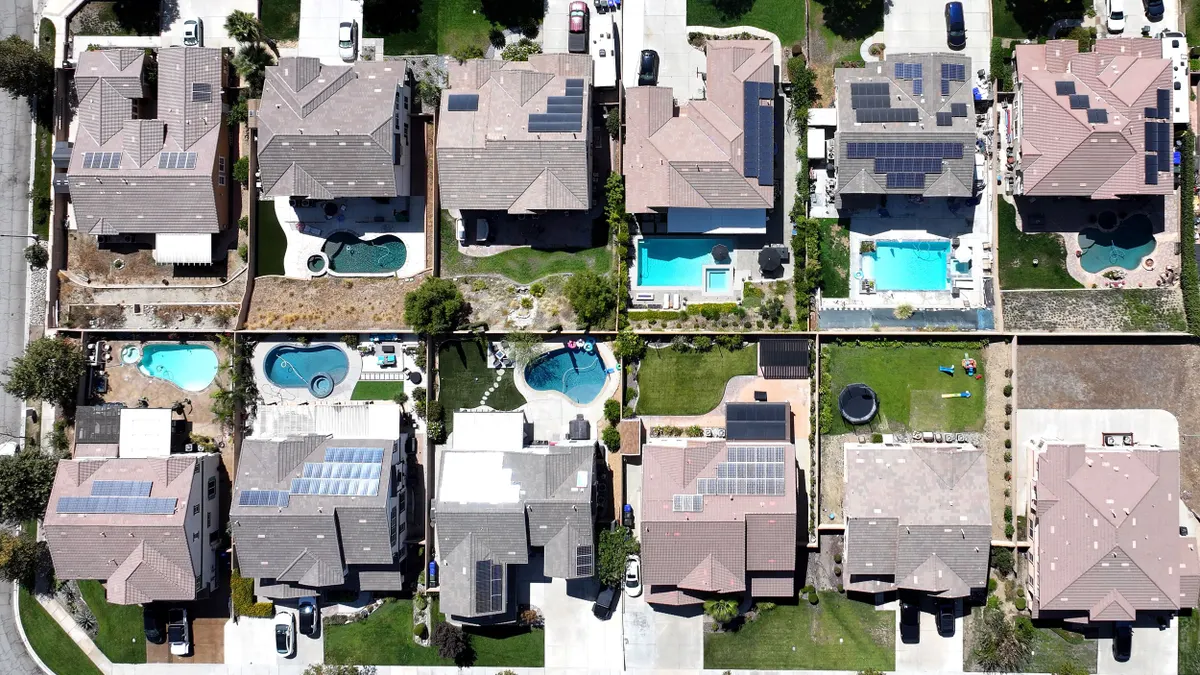
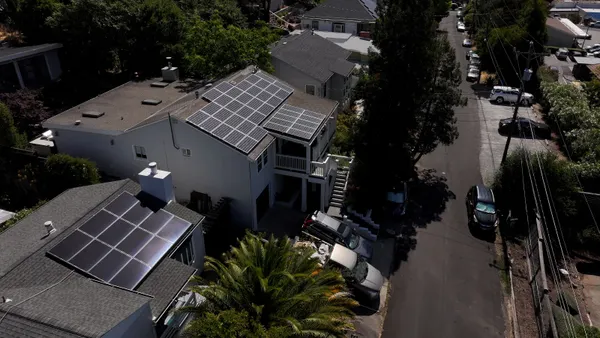
Inclusive utility investment allows utilities to invest directly in DERs at a customer’s home or business and recover their investment through a fixed monthly charge on the customer’s bill that is less than the estimated bill savings produced by the upgrades. It’s designed to help households lower energy bills, improve resilience, reduce pollution, and access modern energy technology — without large upfront costs, credit requirements or homeownership.
On Sept. 10, Illinois published final guidelines for the Equitable Energy Upgrade Program, or EEUP — the first framework of its kind under the state’s Climate and Equitable Jobs Act. EEUP enables expanded deployment of residential solar, storage and other flexible assets through inclusive utility investment.
Recent legislation such as the Clean and Reliable Grid Affordability Act in Illinois reflects a growing recognition that virtual power plants will play a critical role in maintaining affordability and reliability as electricity demand and renewable energy penetration increases on the grid. Virtual power plants can reduce or defer costly infrastructure upgrades, which is exactly why expanding access to flexible technologies has become part of a broader affordability strategy.
While pursuing virtual power plants and inclusive utility investment on separate but simultaneous tracks, Illinois may become the first state to show what pairing them can achieve.
A 7-kW solar and 13.5-kWh storage system in Illinois can carry a $34,530 upfront cost — reduced to an $11,913 financing gap after utility-program rebates, which inclusive utility investment enabled through EEUP can cover directly. The utility can recover much of its capital over time through site-specific cost recovery charges that can not exceed 80% of a customer’s estimated savings from the energy system. The customer sees a lower bill from day one, and when these systems are enrolled in virtual power plants, the path to cost recovery could be faster for the utilities and deliver greater benefits to customers.
The same energy system can generate $770 per year in additional virtual power plant revenue from PJM Interconnection capacity, energy arbitrage and ancillary services markets, that can be split between the household and the utility. For the household, this would offer greater energy cost offsets toward the payment of their cost recovery charges. The utilities would get their capital back with an embedded cost of capital, a share of virtual power plant revenue and additional benefits from the cost of deferred or avoided infrastructure that can be shared with customers. And when the utility’s costs are recovered, the pathway to ownership is automatically assigned to the building owner. No upfront cost, no credit check.
A May 2026 analysis from Rewiring America makes the national case for urgency. The Homegrown Energy report finds that under current market conditions, home energy upgrades — including rooftop solar and battery storage — are affordable for fewer than one in ten U.S. households. A coordinated set of six policies, with inclusive utility investment among the highest-priority, could extend that affordability to more than nine in ten. The report is unambiguous about the mechanism: this is not a subsidy question but a system design question.
Virginia offers the starkest illustration of what that grid pressure looks like in practice. The state has nearly 600 data centers — the highest concentration anywhere in the world — and PJM projects that the Dominion zone will experience the largest absolute increase in summer peak demand of any zone in its footprint between 2026 and 2030, driven primarily by data center load growth. The costs of that growth are already landing on ordinary ratepayers: the 2024 PJM capacity auction clearing price surged 833% year-over-year, and Virginia's own legislative auditors have warned that without intervention, data centers could drive up Dominion's residential electricity bills by $444 per year by 2040.
Virginia has begun to respond, directing Dominion to launch a virtual power plant pilot of up to 450 MW and create a new rate class requiring large data center customers to bear a greater share of the infrastructure costs they generate. Simultaneously, Gov. Abigail Spanberger has signed HB 1062, mandating a feasibility study for inclusive utility investment to be completed by Nov. 1, 2026, to guide a future pilot focused on electric energy conservation, solar energy generation and energy storage. Moreover, HB 434 directs Virginia regulators to establish clear, consistent grid utilization metrics — the kind of visibility virtual power plants are well positioned to improve.
As initiatives to address grid load and data center growth multiply across various states, the synergies across them are hard to miss and costly to ignore. Energy cost allocation to data centers alone does not reduce system costs. It redistributes them. The more powerful system design intervention is to redirect a portion of the capital flowing from data center expansion toward DERs in households through inclusive utility investment, converting demand growth into a catalyst for broader energy system participation rather than a burden falling on ratepayers. If virtual power plants offer a viable grid solution, inclusive utility investment offers a scalable pathway to deploy the solution. Data centers, in turn, can supply the capital — at zero cost to ratepayers — to accelerate that deployment while meeting their own supply obligations.
The opportunity in front of utilities is not simply to build larger virtual power plants. It is to build broader and more accessible ones — making investments on terms that include renters, households of all income levels and communities historically excluded from clean energy investment.
That work also needs to happen at the pace new developments and hyperscalers demand. Illinois has set the stage for virtual power plants to work in tandem with inclusive utility investment — the question now is whether other states follow. The future of the grid will depend on whether utilities and regulators can adopt similar approaches to enable broad participation in virtual power plants through greater adoption of flexible devices, and whether policymakers treat access to these as the foundation of a reliable, affordable grid.