
According to recent research, electricity accounts for 60% of the energy consumed by commercial buildings in the U.S. At the same time, by 2027, commercial and industrial (C&I) customers are expected to surpass residential customers in electricity demand for the first time ever. The results will be a greater strain on grids and higher prices for all customers, as spiking fuel costs meet increasing demand.
These conditions underscore the importance of energy efficiency for all types of C&I buildings, from offices and hotels to hospitals and manufacturing facilities. When facilities are optimized for peak efficiency, they reduce their own operating costs while improving grid capacity and reliability. Energy efficiency also supports key sustainability metrics, which are increasingly vital as global temperatures rise and severe climate events become more common.
“Replacing fossil fuels with electricity is crucial, but we need to squeeze every BTU we can from available resources to lessen the strain on grids,” says Paul Swierc, Project Manager at NORESCO, which helps customers modernize aging building systems and upgrade energy and water infrastructure to meet evolving demands. “This means everything from LED upgrades and waste heat recovery to advanced heat pump technologies for high-efficiency heating and cooling,” he says.
With so much to gain, facility managers and utilities need to holistically evaluate their efficiency opportunities.
Commissioning and retro-commissioning deliver efficiency gains
Whether a C&I building has new or existing infrastructure, there are efficiency gains to be made. What’s important is to move beyond the mindset of “how things have always been done” and embrace operational changes.
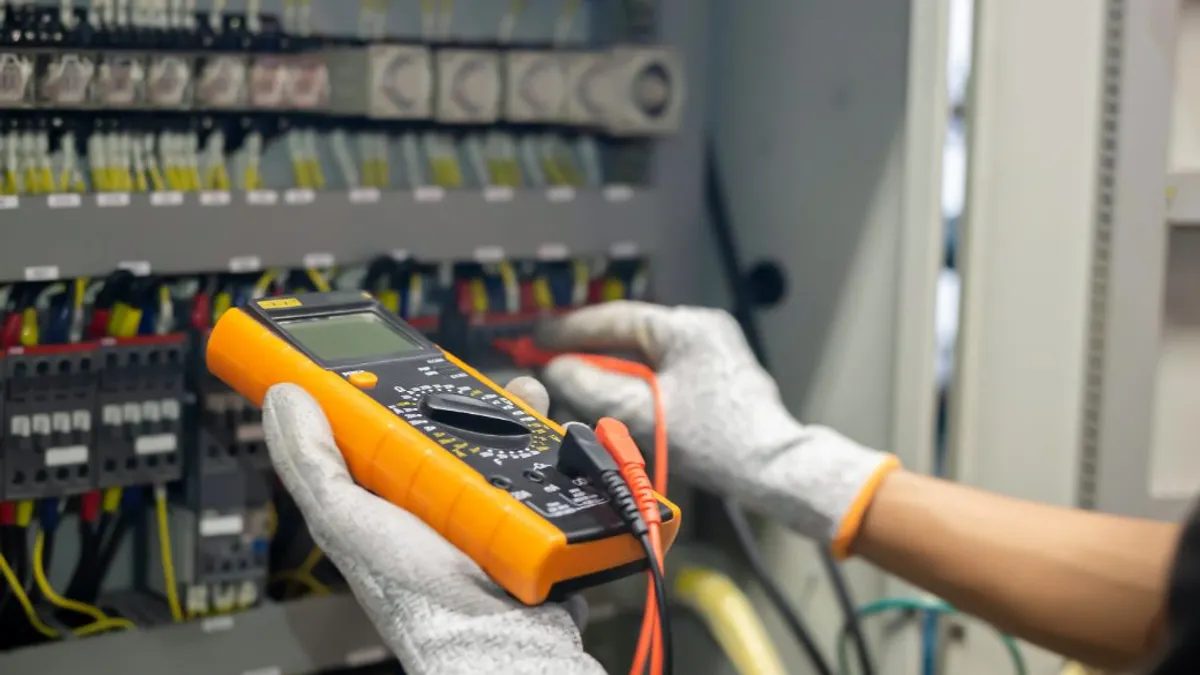
Retro-commissioning (RCx), which typically doesn’t involve capital-intensive projects, yields a range of cost savings for facilities. Resetting systems that have deviated from their design parameters and calibrating sensors are small but impactful changes. Completing routine preventive maintenance procedures like leak repairs, coil cleaning, filter changes and steam trap replacements also help. To get started, developing a Current Facilities Requirements (CFR) document can inform how a facility can be efficiently operated and maintained now, as opposed to when it was constructed.
Variable frequency drives (VFDs), while carrying up-front costs and not traditionally considered RCx, generate significant energy savings, reducing electricity costs by up to 50%. Add to that improvements in equipment service life, occupant comfort and incentives from utilities, and it becomes clear that VFDs are practically a no-brainer recommendation. A detailed RCx of an existing facility can therefore provide both short- and long-term benefits for a relatively low investment.
At the other end of the building lifecycle, new construction commissioning can prove even more effective for operational efficiency and sustainability. “People often think of commissioning as just testing systems post-construction, but the process can and should involve much more,” Swierc says. “At NORESCO, we get involved during pre-design. We document the owner’s goals for the project and leverage our experience to collaborate with building architects and engineers to facilitate designs that maximize efficiency, sustainability and operability.”
“Let’s say we’re contracted to commission a new facility with a lot of IT equipment or a data center, anything with big, year-round cooling loads,” Swierc explains. “Typically, the heat rejection from that cooling is dumped into the atmosphere. But, that’s free heat that can be captured and repurposed for space or hot water heating. We strongly recommend incorporating heat recovery into the design. During construction, we ensure the system is installed correctly and, during the acceptance phase, we functionally test the system and verify that facility operators are adequately trained on running and maintaining the equipment,” he says.
From early collaboration in the project design process through involvement into the occupancy phase, commissioning can have significant benefits for facilities’ energy consumption, utility costs and occupancy rates — and it benefits the utilities that power those facilities.
Utilities can leverage and enhance partnerships with facilities management
How can facilities afford these upgrades or better designs? Despite policy uncertainty at the federal level, numerous state-level incentives provide viable options. In New York, for example, the New York State Energy Research and Development Authority (NYSERDA) offers financing for energy-efficiency improvements and building electrification as well as technical studies like retro-commissioning to uncover opportunities. California also offers state tax credits for certain efficiency improvements.
Along with these state government programs, utilities can play a role by incentivizing upgrades, such as Con Edison’s incentives in New York and Commonwealth Edison’s Standard Offering Incentives in Illinois.
Communicating with C&I customers and working with energy solutions providers will increase awareness of these programs at a critical time when facilities may not think sustainability measures can receive financial support.
Greater reliability and sustainability benefit utilities and their customers
Put simply, improving energy efficiency means less strain on the grid. That translates to longer lifespans for existing grid infrastructure and better load management overall. “Building out the infrastructure to support growing demand from electric vehicles, heat pumps and electrification as a whole is crucial. Operating facilities efficiently and reducing consumption and waste are critical to mitigating risk for utilities as that demand grows,” Swierc says.
Extending grid infrastructure lifespans means more deferred maintenance and fewer capital expenditures, which leads to less price pressure on customers. Keeping rates stable is increasingly important as rising electricity rates feed into larger affordability concerns for customers. Less strain on the grid also means better reliability and fewer outages, thereby providing utilities with benefits ranging from improved SAIDI and SAIFI scores to fewer customer calls.
Taken together, these efficiency benefits improve utilities’ operations and bottom line while also taking tangible steps to improve building sustainability and reduce a persistent source of carbon emissions.
“Whether it’s low-hanging fruit like optimizing existing control strategies or recommending and ensuring the quality and functionality of complex systems like thermal energy networks and wastewater heat recovery, retro-commissioning and commissioning can drive significant benefits and provide huge value to building owners and occupants,” Swierc says.
When utilities partner with facilities and energy solutions providers, all stakeholders can share in those benefits. Contact NORESCO to discuss energy solutions for your C&I customers.