
I have always held a simple conviction — energy and water utilities should not be spectators to the AI transformation of their own industry. They should shape it, together with the partners and technologists building alongside them.
That conviction matters because few industries carry the weight that energy and water do. They are the services every other part of modern life is built on — be it homes, hospitals, schools, businesses, data centers and increasingly, the AI economy itself. When they work, they are invisible. When they fail, everything else stops. Their success is measured in three outcomes the public feels directly: affordability, reliability and trust.
Rising energy costs, extreme weather, electrification and the growing demand from large loads are putting these outcomes under increasing pressure. At the same time, utilities are being asked to modernize operations, make better use of data and respond faster to changing customer and grid demands.
This is changing the conversation around AI. The question is no longer simply what AI can do, but where it can deliver value, how much autonomy it should have and what safeguards must govern its use.
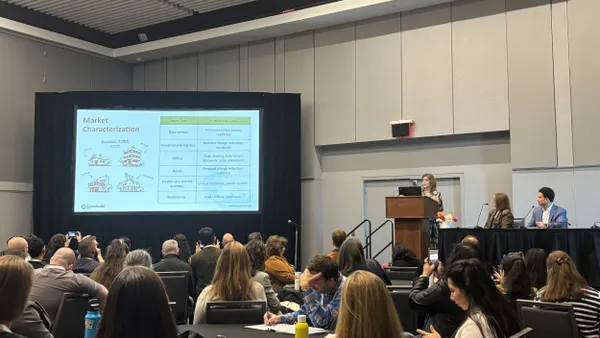
At this year's WE3 Global AI Summit, conversations among energy and utility leaders reflected this shift. As AI moves from individual applications into customer, workforce, business and grid operations, the industry must think beyond capability to the conditions under which AI can be trusted to act.
My belief is that the answer lies in People + Vertical AI: an approach that combines industry-specific intelligence with human experience, judgment and accountability. Vertical AI brings the data, domain knowledge and operational context required to work within the realities of energy and water. People establish its purpose, define its boundaries and remain accountable for its outcomes. Four principles should guide this approach.
1. Convergence: Bringing customers into the grid equation
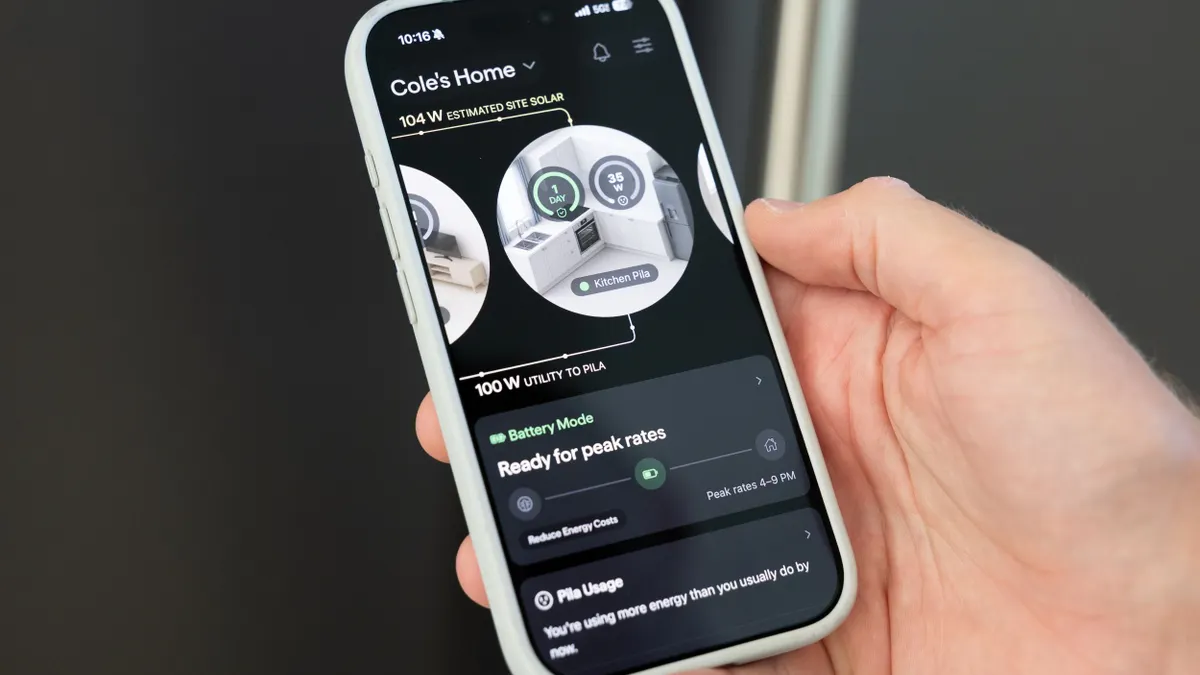
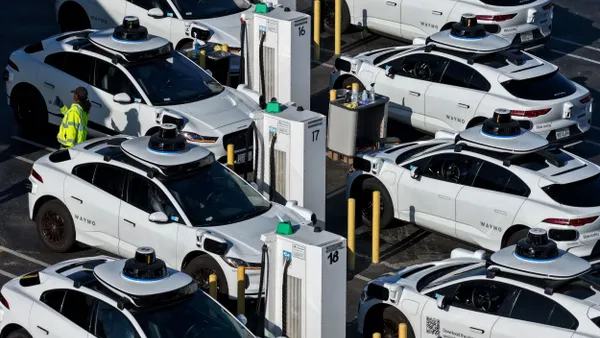
The relationship between customers and the grid is changing. For decades, customer service and grid operations largely functioned as separate domains. Electric vehicles, rooftop solar, battery storage and smart thermostats are increasingly connecting them. A customer's electric vehicle can become a flexible grid resource. A utility interaction about energy usage or payments can open the door to demand response and affordability programs.
This creates an opportunity for utilities to coordinate flexible demand across homes and businesses, manage peak consumption and make better use of distributed energy resources. When designed well, these programs can help defer infrastructure investments, improve grid flexibility and manage costs. But technology alone will not make this possible. Customers need clear choices, fair incentives and confidence in how their data and participation are used.
Utilities will increasingly need to manage the grid with their customers, not simply deliver services to them. Vertical AI must therefore connect the customer experience with grid intelligence, bringing these traditionally separate functions into a more coordinated operating model.
2. Connection: Intelligence across the entire energy and utility ecosystem
In energy and water, intelligence is not just a model. It depends on people, processes, data and security working together. When these elements remain disconnected, AI has a narrower view of utility operations and a weaker foundation for sound decisions. Yet customer, workforce, business and grid operations continue to rely on systems and data that were often designed independently. The result is fragmented information, disconnected workflows and limited visibility across the ecosystem.
This is why the real unit of value in Vertical AI is the connected workflow and this is where depth of industry data becomes decisive. It requires intelligence grounded in the industry's operating context, including utility-specific data, processes, regulatory requirements and historical interactions.
With more than 15 years of experience building Vertical AI for energy and water, we have seen how important this industry context is. Our work at SEW.AI, drawing on more than 4.3 trillion data points across energy and water usage, customer interactions and utility operations. That depth is what allows it to reason across all four domains with genuine context, connecting the systems utilities already run without replacing them.
3. Action: Agents that understand the complexity
Agentic AI moves intelligence from recommendation to execution: systems that can reason through complex, multi-step processes and carry them through to resolution.
In utilities, however, action demands specialization. A general-purpose agent can follow instructions, but it cannot be expected to grasp the regulatory, operational and safety consequences of its actions. Vertical agents start from a different premise. Each is purpose-designed for a specific domain, such as outage response, field dispatch, payments or customer care. Each is trained on industry data and governed by industry rules. Together they are orchestrated so that each hands off seamlessly to the next. What emerges is less a single intelligence than a coordinated team of specialists.
As distributed energy resources multiply and operational demands become more interconnected, this coordination will become increasingly important. Specialized agents can handle routine, repeatable tasks with greater consistency and speed, allowing utility employees to focus on exceptions, complex decisions and situations that require human judgment. The objective is not to automate every decision. It is to ensure that the right decisions are made with the right context, at the right time and that actions remain within clearly established boundaries.
4. Trust: Security as the foundation
The fourth principle underpins everything else: trust. And trust begins with security.
In energy and water, security is not an IT concern. It is a matter of public safety. Every AI agent introduced into a utility is a new identity with access to customer data, operational systems and, increasingly, physical infrastructure.
Security therefore cannot be layered on after deployment. It must be intrinsic — with verified identities, least-privilege access, auditable actions, appropriate data protection and clear escalation paths. Decisions with significant safety, financial or operational consequences require controls proportionate to their risk, including human approval where necessary. Governance must also extend beyond deployment. Utilities need visibility into how AI systems operate, the permissions they exercise, the decisions they influence and the circumstances in which they must escalate to people.
Governance of this kind is not a brake on innovation. It is what allows autonomy to scale responsibly, earned workflow by workflow, with accountability that always remains human. Regulators, boards and communities will hold utilities, not algorithms, responsible for every outcome.
People + Vertical AI: The measure that matters
Vertical AI brings industry knowledge, speed and scale. People bring experience, judgment and accountability. Neither is sufficient on its own.
The energy and water industries have navigated major transitions before, from electrification to digitization. Each required more than new technology. It required changes in how organizations operated, how people worked and how services were delivered to communities.
AI will demand the same discipline. Its progress should not be measured by how many decisions can be automated or how much autonomy a system can achieve. It should be measured by whether utilities can use it responsibly to make essential services more affordable, more reliable and more trusted.
That is the standard we should hold ourselves to as an industry. And it is the principle behind the People + Vertical AI approach we continue to advance.
About SEW.AI
SEW.AI is the global Vertical AI Platform purpose-built for the energy and utility industry, enabling organizations to transform customer engagement, workforce productivity, business operations and grid intelligence through the People + Vertical AI framework.