Second-quarter electricity sales revenue rose more than 10% year over year at Consolidated Edison Company of New York and Orange & Rockland Utilities, the two electric utility subsidiaries owned by Consolidated Edison, Inc., the New York-based energy firm said on Thursday.
The electric companies’ combined revenue topped $3.1 billion in the three months ending June 30, up from $2.78 billion in the second quarter of 2025, ConEd said.
Together, CECONY and O&R provide electric service to more than 9 million people across the five boroughs of New York City, part or all of four downstate New York counties and parts of three northern New Jersey counties.
ConEd did not hold an investor webcast this quarter, but issued a shareholder presentation and prepared statements from executives.
“Year-to-date results continue to be in line with expectations,” Kirk Andrews, ConEd senior vice president and chief financial officer, said in a statement.
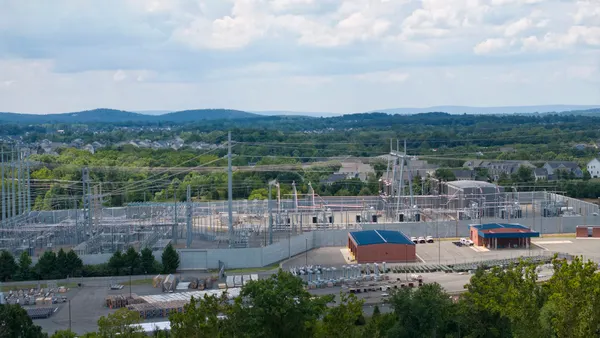
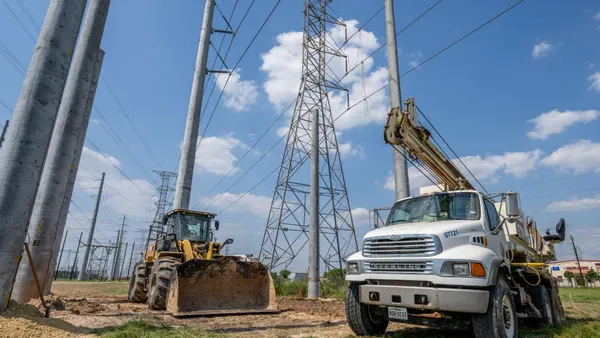
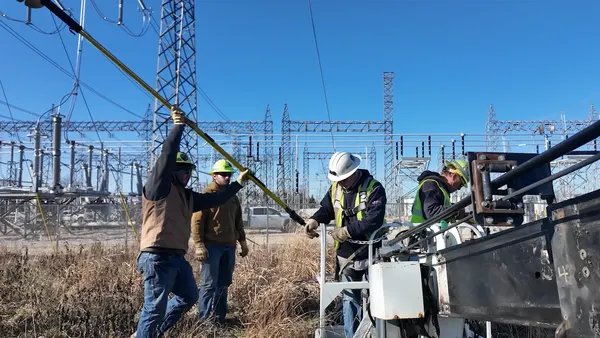
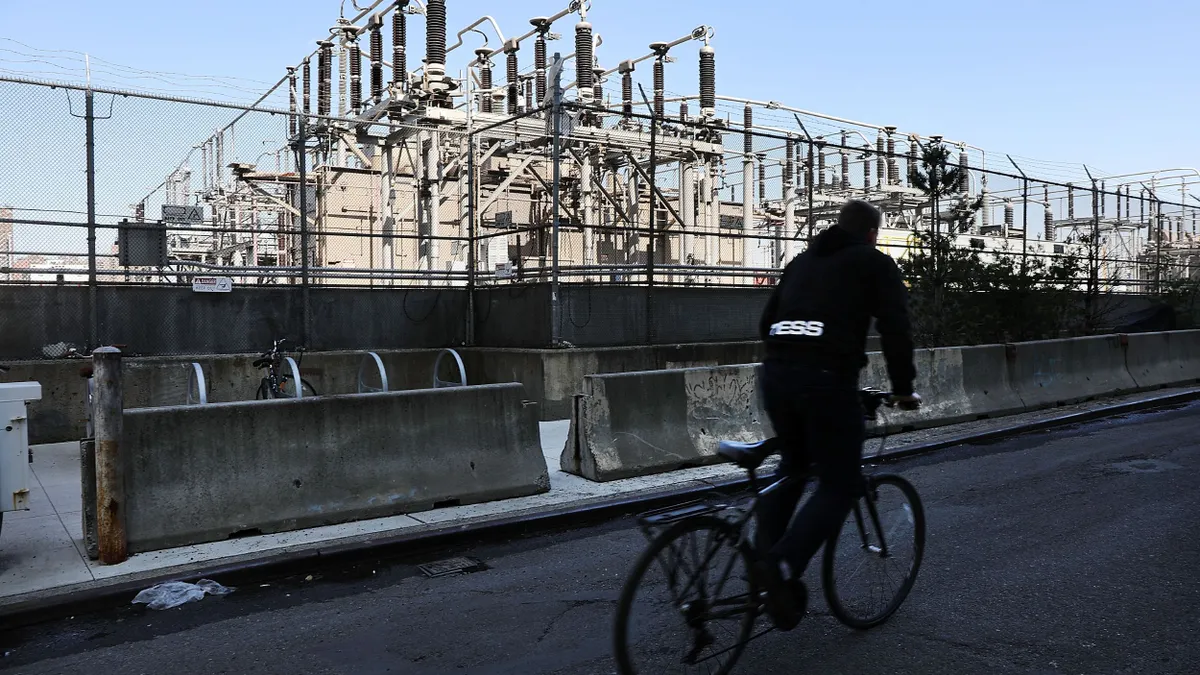
Andrews said ConEd expects to place 28 substations in service by 2035 across its two electric utilities’ territories as part of a capital investment plan that includes about $37.2 billion in spending on the CECONY and O&R distribution networks. Earlier this year, ConEd said it expected to build 22 new substations by 2035.
ConEd’s capital expenditure plan comes as its customers plan for compliance with strict state and city climate policies. New York City’s Local Law 97, for example, requires owners of buildings larger than 25,000 square feet to cut greenhouse gas emissions 40% by 2030 and reach net zero by 2050.
In CECONY’s service territory, new buildings are requesting as much as 25% more electric load than older buildings, ConEd said. CECONY is also gearing up to serve larger commercial customers, including a new Major League Soccer stadium and entertainment complex in Queens; John F. Kennedy International Airport, which is undergoing upgrades; and a new mixed-use community, industrial park and all-electric food distribution center in the Hunts Point section of the Bronx, it said.
“We are investing to further strengthen reliability and system resilience, including preparing our network for periods of extreme heat, and redoubling our efforts to keep our service affordable for all customers while continuing to support New York's clean energy transition,” Tim Cawley, ConEd chairman and CEO, said in a statement that also touted the company’s “nation-leading electric service reliability.”
CECONY’s largely underground distribution network has seen 8.5 times fewer customer interruptions and about five times fewer interruption minutes than the national average for U.S. utilities, according to the second-quarter presentation.
While the future appears secure for its electric utilities, the outlook for ConEd’s natural gas utilities is hazier, ConEd said in a required filing with the U.S. Securities and Exchange Commission this month.
“The long-term future of the Utilities’ gas businesses depends upon the role that natural gas or other gaseous fuels will play in facilitating New York State’s and New York City’s climate goals,” the company said.
Though ConEd says the average CECONY customer’s bill is lower than that of its electric utility peers, its commercial and small business customers saw their bills increase nearly 10% last summer. The company is “continuing to assess” the impact of a new state law that , among other reforms, requires utilities to present rate case proposals that keep costs below the rate of inflation, it told the SEC.
Still, Julien Dumoulin-Smith, who follows ConEd stock for the investment bank Jefferies, said the company faces less political risk than peers courting large-scale data center customers.
“[ConEd’s] lower-risk outlook has resonated with investors recently compared with peers facing data center questions and affordability rhetoric,” he wrote on Friday.