A recent report by Energy Ventures Analysis for the Natural Gas Council concluded that reforms implemented following Winter Storm Uri in 2021 helped insulate the electric grid from outages during Winter Storm Fern in January, even amid near-record consumption driven by sustained cold across the Central and Eastern U.S.
The report credited winterization investments, flexible liquefied natural gas operations and large-scale storage withdrawals with helping to maintain system reliability during the event, noting that storage supplied roughly 30% of total U.S. gas demand during peak periods.
Although the report found improvements have been made to the interconnected energy system since 2021, it also concluded “the full stress test of post-Uri improvements has not yet occurred under Uri-level temperature conditions,” and continued effort is needed. The authors recommended stronger gas-electric coordination, including firmer fuel assurance for generators, protections for critical gas infrastructure during grid emergencies and continued investment in pipeline and storage capacity.
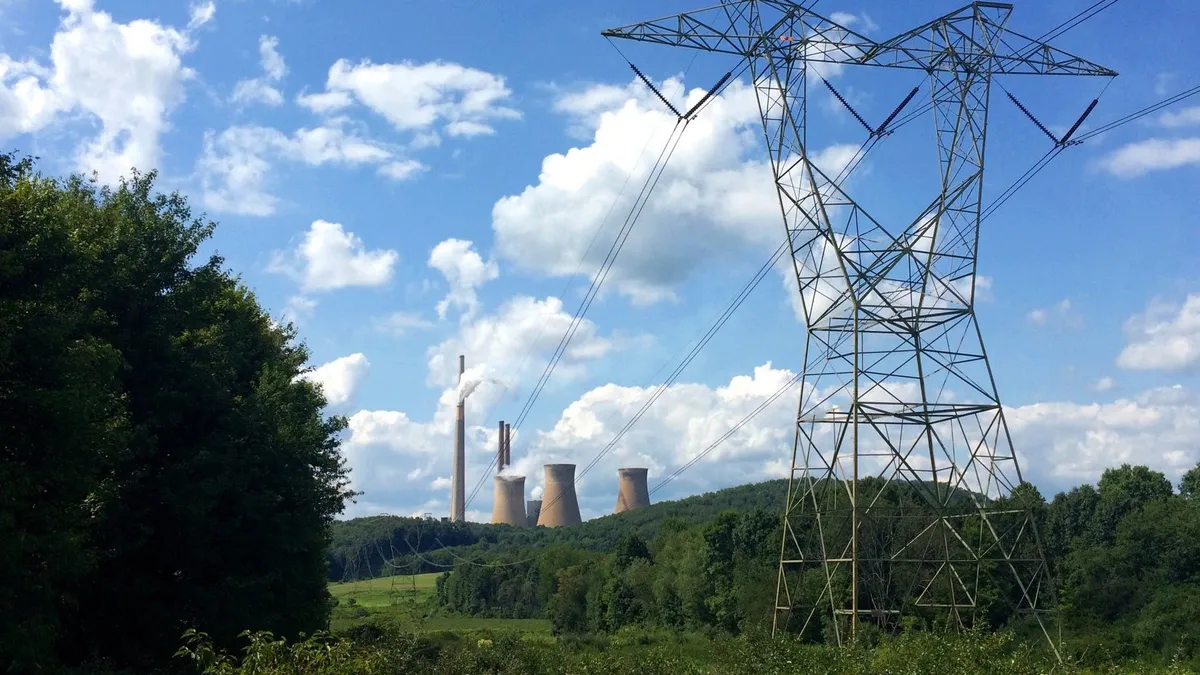
At more than 40%, gas is the largest single source of electricity generation in the U.S. The findings come as utilities and regulators head into summer storm season and grapple with how to balance rapid load growth from electrification, data centers and industrial demand against increasingly weather-driven system stress.
Pawan Vaswani, vice president of energy and commodities strategy at AI platform developer Publicis Sapient, speaking independently of the report, said operators need a better understanding of where bottlenecks could emerge across interconnected energy systems during extreme conditions.
“Weather events tend to expose dependencies that may not be apparent under normal operating conditions,” Vaswani told Utility Dive in an email. “[A] constraint in one part of the system can create pressure across the rest of the value chain.”
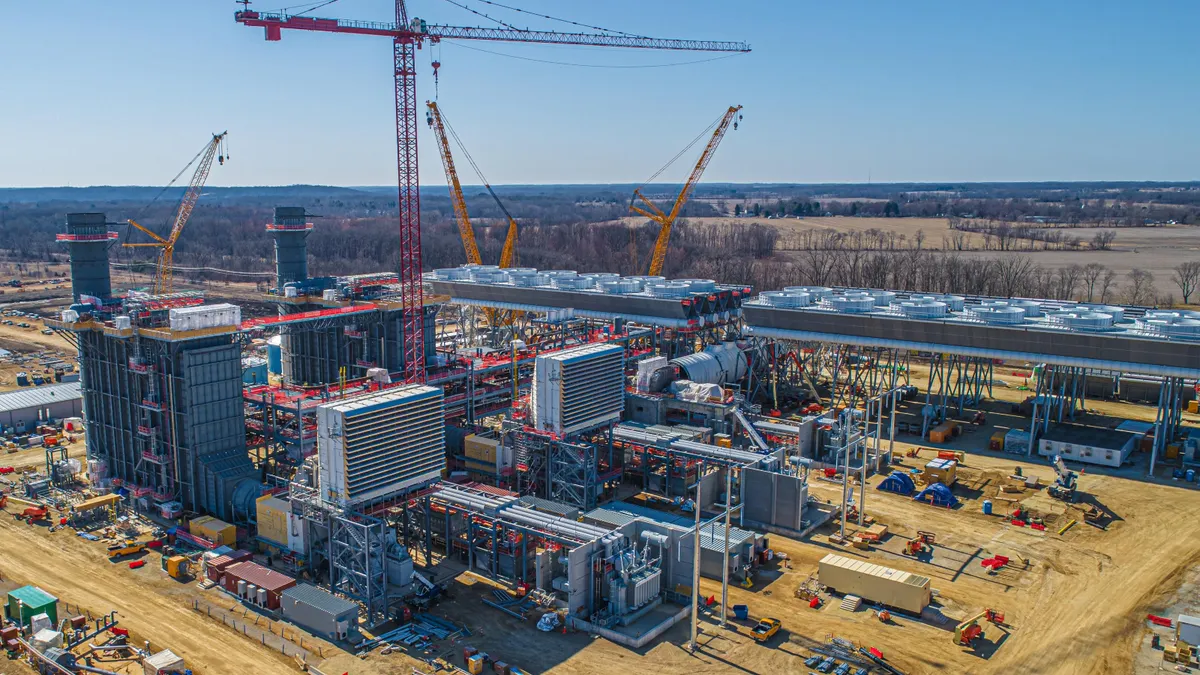
As many utilities and hyperscalers invest in new gas-fired generation, the EVA report adds to ongoing discussions over whether reliability planning should account not only for generation capacity but also for the pipeline and storage infrastructure that supplies those plants.
Among other things, the report, “Holding the Line: U.S. Natural Gas Performance During Winter Storm Fern,” called for electric market design reforms to encourage electric generators to secure firm capacity and services commensurate with their fuel security obligations, rather than rely on interruptible arrangements.
"Natural gas storage is a critical component of the U.S. energy infrastructure, providing system reliability, stabilizing market prices, and enhancing resiliency during high-demand periods and unexpected disruptions," the report said.
The report also urged federal and state officials to consider rules exempting critical natural gas facilities from load-shedding plans so they are not cut off during electric emergencies.
It warned that structural constraints remain in key regions, particularly the Northeast, where limited pipeline capacity contributed to sharp price spikes during the storm. In some locations, prices surged to historically high levels during peak demand periods, reflecting congestion as well as underlying supply conditions, it said.
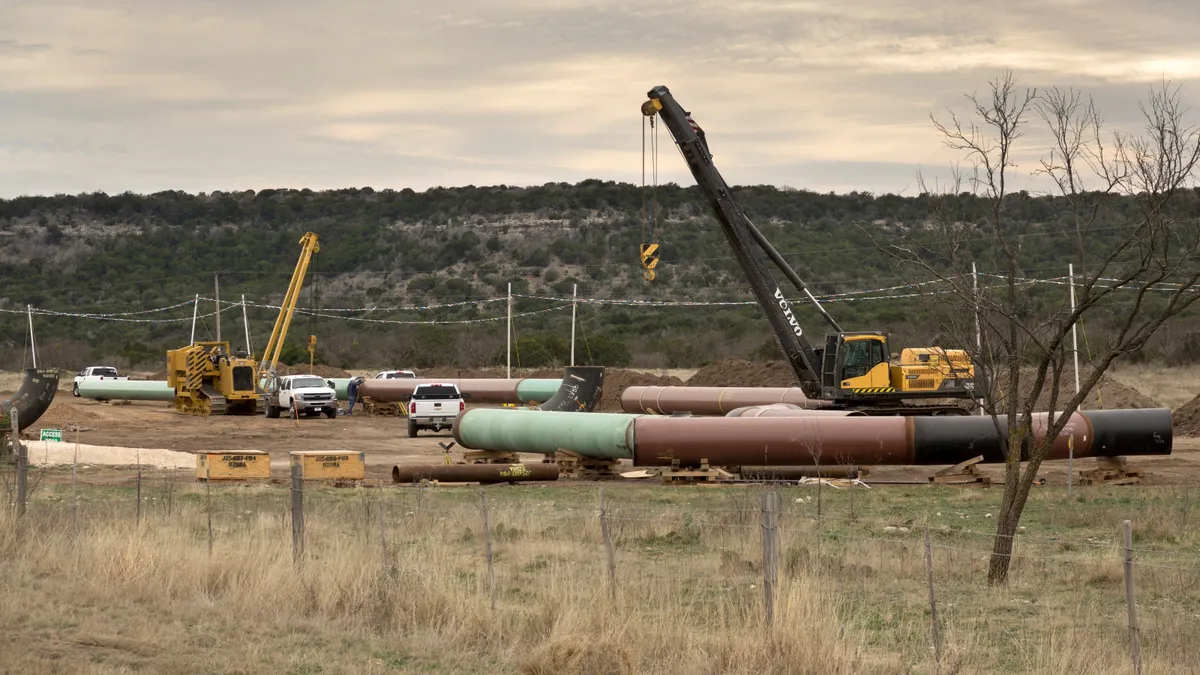
The study also models alternative pipeline scenarios and finds that additional capacity in constrained markets could have significantly reduced regional price volatility during Fern, while also reducing reliance on a higher-emitting backup supply such as fuel oil in parts of New England.
Specifically, the data show monthly average winter prices at key Northeast hubs would have fallen by 10% to 20% if four delayed or canceled pipeline projects — Access Northeast, Transco Northeast Supply Enhancement, PennEast and Constitution Pipeline — had been built, with even steeper reductions on peak-demand days.
“Overall, natural gas reliability for natural gas utilities depends on sustained infrastructure development and maintenance, operational preparedness, and multiple supply and balancing tools working together during weather events,” the report said.