Andrew Biondi is a consultant at West Monroe; Margaret Oloriz is a senior manager at West Monroe; and Estelle Mangeney is a director in the consulting firm’s energy and utilities practice.
As utilities and policymakers push for building electrification to meet decarbonization goals, they face a fundamental question: Is hybrid heating a bridge to a more resilient, low-carbon energy system, or a temporary lifeline for gas utilities on the path to obsolescence? The answer will determine the trajectory of infrastructure investments, regulatory frameworks and energy pricing for decades to come.
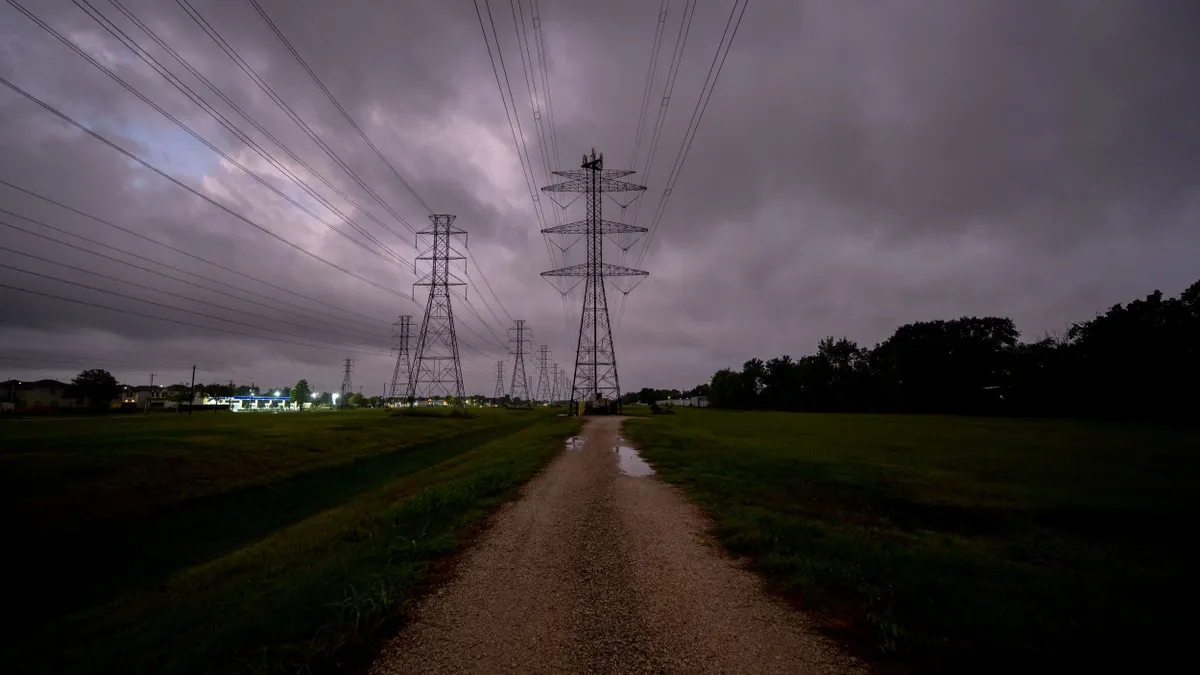
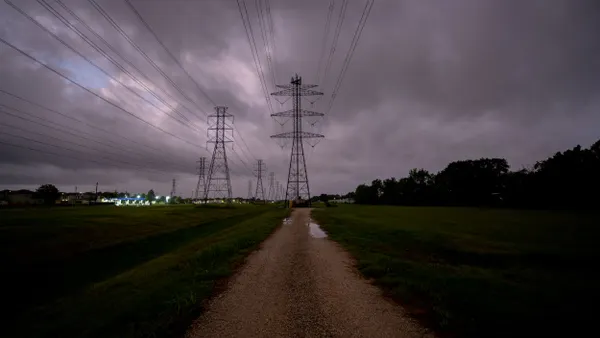
The widespread adoption of electric space heating presents a challenge: increased winter peak demand on the electric grid. Historically, the electric grid has peaked in the summer due to air-conditioning loads. However, as more homes transition from gas furnaces to electric heat pumps, winter peaks will rise, requiring significant grid investments to maintain reliability. The timeline for this shift varies by region, but it impacts the operations of both electric and gas utilities and requires a thoughtful approach.
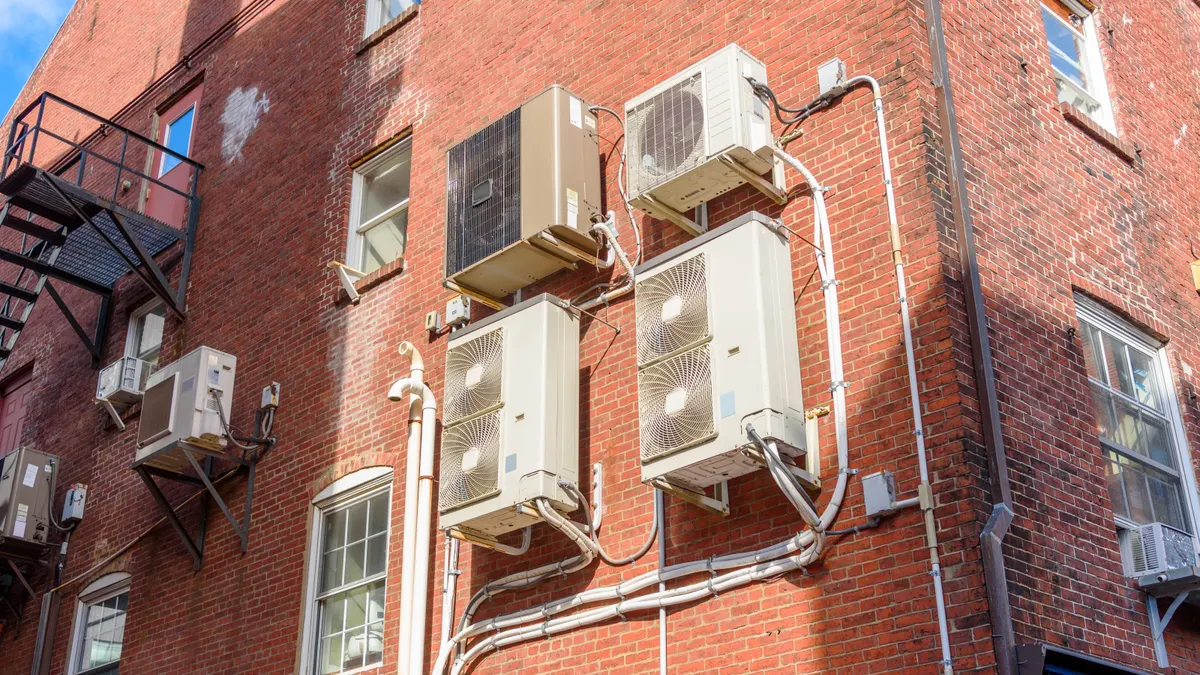
Hybrid heating — combining air-source heat pumps (ASHPs) with gas furnaces — offers a potential solution. A hybrid heating system allows households to switch between electric and gas space heating appliances to optimize cost, greenhouse gas emissions and peak load reduction. The setup typically includes an ASHP, a corresponding electric resistance backup or secondary heating element, a natural gas furnace and a smart-switching mechanism that enables seamless transitions between the two.
The efficiency of an ASHP, measured by its coefficient of performance, declines as outdoor temperatures drop. As ASHP adoption grows, the electric grid will shift to winter peaking, with cold weather exacerbating peak demand and necessitating additional grid investments. A hybrid system mitigates this impact by using natural gas heating during extreme cold, reducing strain on the electric grid, deferring infrastructure upgrades and lowering energy costs for consumers.
For gas utilities, hybrid heating presents both an opportunity and a threat. In the short term, it allows them to play a role in decarbonization while maintaining customer relationships. But in the long term, hybrid heating could shift the role of gas utilities from continuous supply to a targeted, peak-demand resource, requiring new pricing models and regulatory strategies to ensure sustainability. If regulators and utilities fail to address this transition, the gas system could enter a death spiral of declining usage, rising fixed costs and stranded infrastructure.
Regulatory and economic considerations for hybrid heating
The success of hybrid heating programs hinges on regulatory policies, incentives and cost recovery mechanisms that ensure both gas and electric utilities are fairly compensated. A major challenge is structuring incentives in a way that aligns with decarbonization goals while maintaining financial viability for gas utilities.
Today’s incentive structures are largely electrification-centric, prioritizing electric utility investments while overlooking the strategic role hybrid heating could play in reducing winter peak loads. Without a recalibration of cost-recovery mechanisms, gas utilities risk being left with a shrinking customer base, rising per-customer costs and no viable path to long-term sustainability. If regulators do not act now, they may find themselves unable to facilitate an orderly energy transition.
Regulators should explore new market mechanisms that value gas infrastructure’s reliability role, such as capacity payments or demand-response pricing models. A well-designed incentive framework should compensate gas utilities for their role in managing peak load by allowing cost recovery for investments in hybrid heating programs.
Regulatory bodies must also address the challenge of long-term cost allocation by ensuring that hybrid heating customers are not penalized with high fixed charges as gas utilities spread infrastructure costs over a shrinking customer base. These policy decisions will ultimately determine whether hybrid heating remains a viable transitional tool or merely accelerates the obsolescence of gas infrastructure.
Cost barriers and affordability considerations
If hybrid heating remains an option only for high-income households, it will fail as a decarbonization strategy. Without targeted incentives and financing mechanisms, lower-income households will be locked out of the transition, leaving them to bear the brunt of rising gas infrastructure costs as wealthier customers electrify. This creates a regressive cost shift that disproportionately impacts those least able to afford it.
To bridge this gap, targeted incentives and financing mechanisms such as on-bill financing, low-interest loans or direct rebates can make hybrid heating more accessible. Utilities and policymakers must also consider long-term savings on energy bills and avoided infrastructure costs when designing financial assistance programs. Without these measures, hybrid heating risks becoming a solution available only to higher-income households, limiting its impact on overall grid stability and decarbonization goals.
Challenges in performance measurement and data availability
One of the biggest uncertainties in hybrid heating deployment is the lack of reliable performance data. Measuring the success of these systems requires granular, real-time data on switching behavior, energy savings, peak demand reduction and emissions impact — yet this information is often difficult and expensive to collect.
Organizations like the New York State Energy Research and Development Authority are actively funding pilot projects and tracking data, but challenges remain in standardizing performance metrics and reducing the cost of monitoring. Utilities and regulators must work together to establish best practices for data collection and reporting to ensure that hybrid heating programs deliver the intended benefits.
Energy availability and supply considerations at scale
Scaling hybrid heating programs introduces new challenges in balancing energy availability. While the electric grid faces growing winter demand, the gas infrastructure must be maintained to ensure reliable energy delivery when needed. A hybrid model requires careful coordination between gas pipeline agreements, local storage solutions and long-term supply planning.
Renewable natural gas (RNG) presents an opportunity to further reduce emissions within a hybrid system, offering a lower-carbon alternative to traditional natural gas. However, RNG availability remains limited, and its cost-effectiveness at scale is uncertain. Strategic investments in RNG production, storage and distribution infrastructure could enhance the long-term viability of hybrid heating while supporting broader decarbonization efforts.
Redefining gas utility pricing and business models
Under a hybrid model, the gas infrastructure serves as insurance, delivering energy on demand during periods of peak heating demand. However, the traditional volumetric pricing structure for gas utilities does not reflect this evolving role. Gas utilities have an opportunity to implement innovative pricing models — such as a two-part structure for infrastructure access and usage — that ensure long-term financial sustainability while supporting decarbonization goals.
This approach would ensure that customers using the gas network for backup heating contribute to maintaining pipeline infrastructure, even if their actual gas consumption is low. Such a pricing structure could also provide gas utilities with a more sustainable revenue model, mitigating the risk of stranded assets as hybrid heating adoption grows.
Navigating the path forward
Hybrid heating presents a promising yet complex solution in the evolution to a lower-carbon energy system. While it offers a practical way to manage winter peak demand, lower energy costs and reduce greenhouse gas emissions, its success depends on well-structured regulatory frameworks, strategic cost-recovery mechanisms and scalable deployment models.
The choices made today will determine whether hybrid heating is a permanent fixture of the energy landscape or a pilot that is never scaled. To avoid passivity and failed investments, action is needed now. Utilities, regulators and policymakers must establish clear incentive structures, fair cost-recovery mechanisms and a regulatory framework that supports an orderly transition. The future of decarbonization will be decided not by technological feasibility, but by policy, market design and strategic investments made today.