Dive Brief:
- The 28-MWh Bexar Martinez battery energy storage installation in CPS Energy territory near San Antonio is B2U Storage Solutions’ second Texas “second-life” energy storage project to reach commercial operations, the California-based company said last week.
- Like its other Texas project and several it has deployed in California, the San Antonio project is built entirely from repurposed electric vehicle batteries, B2U said. The company says it has at least 100 MWh of operational second-life battery installations.
- EV sales have slowed this year following the sunsetting of the federal purchase credit last September, but B2U CEO Freeman Hall told Utility Dive that his company has nonetheless “secured significant volumes of battery capacity suitable for repurposing” and expects available supply to reach “many GWh annually” in the years ahead.
Dive Insight:
Like its first project in the Electric Reliability Council of Texas market, the Bexar Martinez installation has a rated power capacity around 10 MW, making it eligible for faster energization under ERCOT’s interconnection process for small generators. Each project has more than 700 batteries previously used to power electric cars.
B2U says it is working on several more “Texas 10” projects in ERCOT that could begin construction as soon as this year and begin providing grid services in 2027. The company’s total pipeline exceeds 1,000 MWh across front-of-meter and behind-the-meter projects in ERCOT and other markets, Hall said in an email.
B2U said last week it expects to deploy more than 50 MWh in ERCOT over the next six months.
Anurag Srivastava, an electrical engineering professor at West Virginia University, told IEEE Spectrum in July that second-life batteries account for less than 3% of deployed energy storage capacity today but could reach 20% to 25% in the 2030s if battery health diagnostics continue to improve.
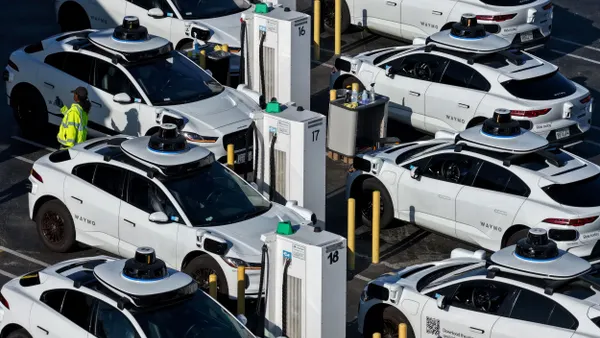
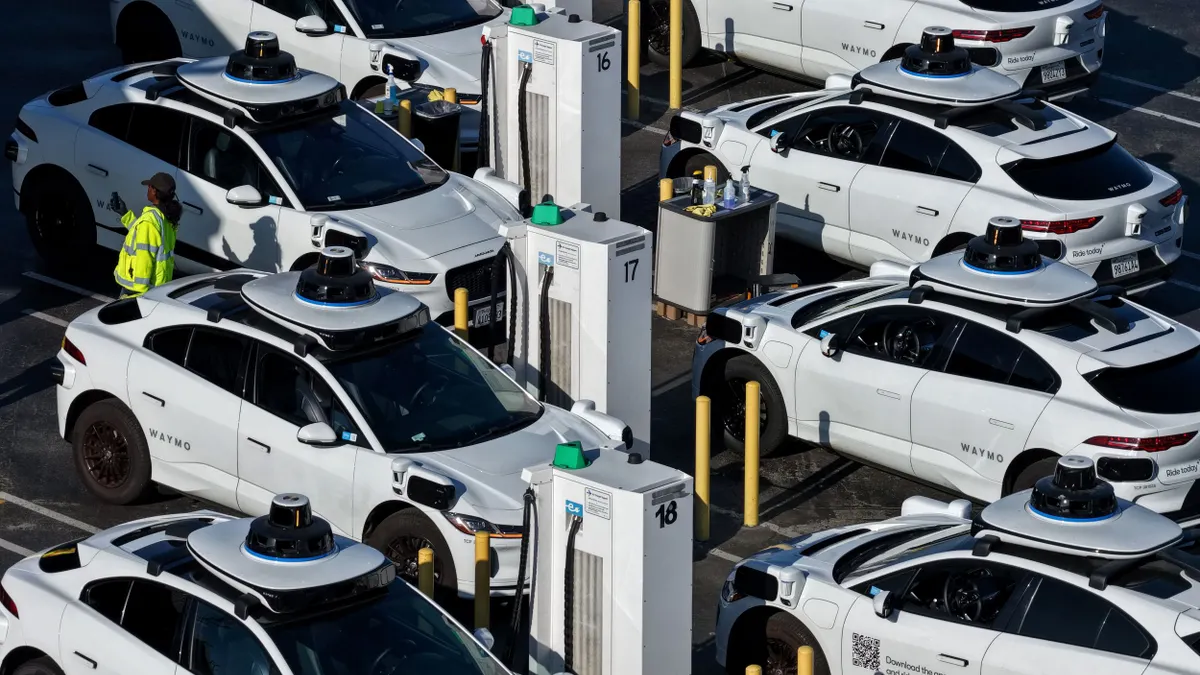
In June, B2U announced a supply agreement with Waymo, the autonomous mobility company, that would see B2U repurpose batteries from Waymo vehicles as they age out of its fleet.
The agreement will supply B2U with “hundreds of megawatts of storage capacity” over time, much of it connected to grids in communities Waymo serves, Hall told Utility Dive.
Hall said recent data suggesting EV batteries degrade more slowly in real-world conditions than earlier laboratory tests predicted will likely boost EV adoption in the long term. Geotab’s 2024 analysis of 11 EV models found an average annual degradation rate of 1.8%, leaving the average car battery with about 91% usable capacity after five years.
B2U expects other adoption tailwinds, such as improved battery capacity and range and reduced battery costs, to boost available supply of second-life batteries over time, Hall added.
“Reduced annual degradation benefits both the automotive industry and [the] repurposed BESS ecosystem,” he said.
Hall said B2U is running its two ERCOT installations on a merchant basis for now as it completes tolling agreements with third parties. Installed costs for a typical B2U project come in as much as 40% lower than “competing BESS solutions … with equivalent reliability and performance,” and the projects qualify for the Section 48(e) investment tax credit’s domestic content bonus adder, he said.