Dive Brief:
- If all U.S. electric utilities were to achieve a 4% system peak reduction utilizing residential virtual power plants, the resource could help reduce bill increases for average households by more than half over the next five years, according to a report from The Brattle Group.
- The 4% target is already being achieved by the top 10% of utility demand response programs, the report noted. If U.S. utilities scaled their programs to that level, “nationwide residential VPP capability would more than triple, from 10 GW to 35 GW,” Brattle said.
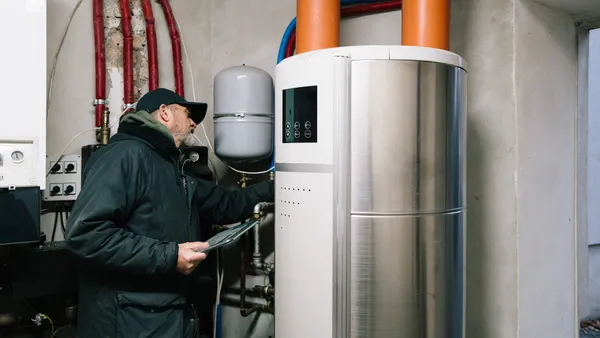
- Scaling VPP capacity can be done with resources in place today, the report noted. A “substantial pool of flexible capacity already exists” in connected thermostats, electric vehicles and batteries, Brattle said.
Dive Insight:
Brattle’s analysis of residential VPP potential comes at a time of rising bills and economic anxiety across the U.S.
The average U.S. residential electricity rate increased 33% between 2019 and 2025, in nominal terms, Brattle analysts said. Growth has recently outpaced inflation, and the increased cost of power systems equipment is a “major driver,” the report said. “Recent doubling of natural gas-fired generation capacity costs is an acute near-term concern.”
Affordability “has become one of the most pressing challenges facing the industry, at the same time that utilities are confronting sharply higher costs for new infrastructure,” Brattle Principal Ryan Hledik said in a statement. “Our analysis shows that there is a significant amount of untapped flexible capacity already sitting in customers’ homes.”
If utilities achieved 4% peak demand reduction, the report estimates it would more than triple nationwide residential VPP capacity from approximately 10 GW to 35 GW. The additional 25 GW of residential demand flexibility “could generate $4 billion to $7 billion annually in financial benefits for US households,” the firm said. Those benefits include approximately $1.8 billion to $5.5 billion benefiting all ratepayers and another $1.9 billion paid directly to participating customers.
Brattle pointed to “improved enrollment” as a way for utilities to access the “latent DR potential” needed to reach 35 GW of residential VPP capacity. OEM-led enrollment strategies can help utilities expand VPPs, the report noted, by leveraging capabilities built into customers’ existing devices.
“If utilities and technology providers can activate that capacity at scale, VPPs can provide a meaningful source of near-term bill relief while also helping meet emerging system needs,” Hledik said.
Brattle’s analysis follows a March report in which the firm’s showed increased utilization of the existing U.S. electric grid could save consumers more than $100 billion over the next decade.
Brattle’s report was prepared for Everyday Electric, a distributed energy resource aggregator that was formerly known as Renew Home.