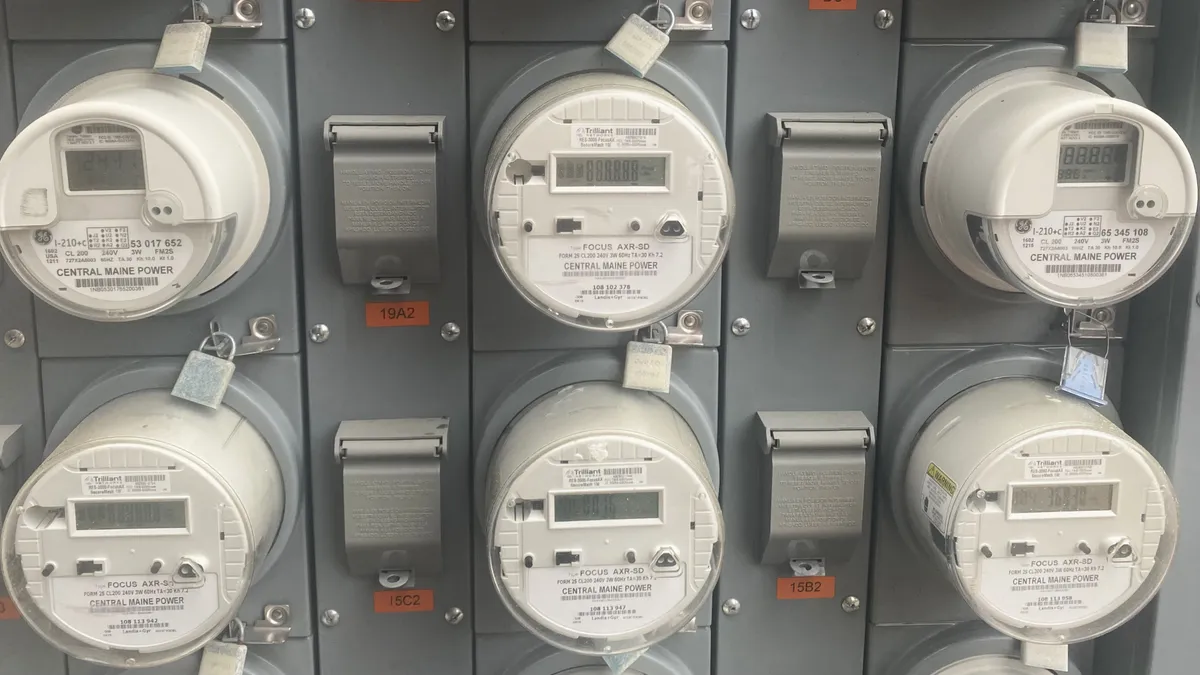
The outlook for the utility and power sector is deteriorating as affordability concerns are increasing the risk that political and regulatory pressure may make it harder for utilities to recover their costs from ratepayers, Fitch Ratings said Friday.
In December, Fitch rated the sector’s outlook as “neutral,” but warned about potential resistance to utility rate increases. Developments in the first half of this year indicate that the risk is materializing “faster and more broadly” than expected, the credit ratings agency said.
“With 36 states holding gubernatorial elections in November 2026, utility bills are emerging as a front-and-center campaign issue,” Fitch said.
Electricity bills were a major issue in the New Jersey and Virginia governor campaigns last year. Both states are part of the PJM Interconnection, where capacity prices have soared as forecast data center load has jumped and power supplies have remained flat — contributing to rising power bills.
Lawmakers in states such as Indiana, Maine and Maryland passed bills this year that aim to reduce electric bills.
And in Pennsylvania, PECO Energy, an Exelon subsidiary, withdrew in mid-April a combined $510 million electric and gas rate hike request from the Pennsylvania Public Utilities Commission over affordability concerns.
Rising electricity bills are a national issue, with the average residential electricity price jumping 10.2% to 18.8 cents/kWh in March from 17.1 cents/kWh a year earlier, Fitch said, citing U.S. Energy Information Administration data.
“This pressure comes as utilities plan record capital spending of around $240 billion in 2026 to support load growth and improve system reliability and resilience,” Fitch said.
The ratings agency said it expects annual utility sector capital expenditures to rise by a low- to mid-teens percentage rate from 2026 to 2030.
“These investments support credit quality over the longer term, but rising bills may make timely rate recovery more difficult,” Fitch said.
Data center demand could help utilities spread fixed costs across a larger customer base and utilities have been developing data center tariffs to prevent cost shifts to retail customers, Fitch said.
“However, these benefits are likely to emerge only over time and may not fully offset near-term bill pressure from elevated capital spending,” Fitch said.