Patrick White is an advanced nuclear technology and regulation expert at Clean Air Task Force. He leads CATF's work on regulatory issues for existing and new nuclear reactors.

You can restore an old car to run like new. You can restore an old home to look better than when it was built. But can you restore a nuclear reactor that had closed and started decommissioning to deliver decades more of safe, clean and reliable electricity?
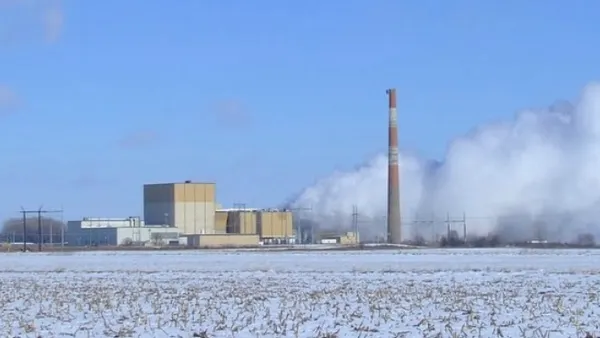
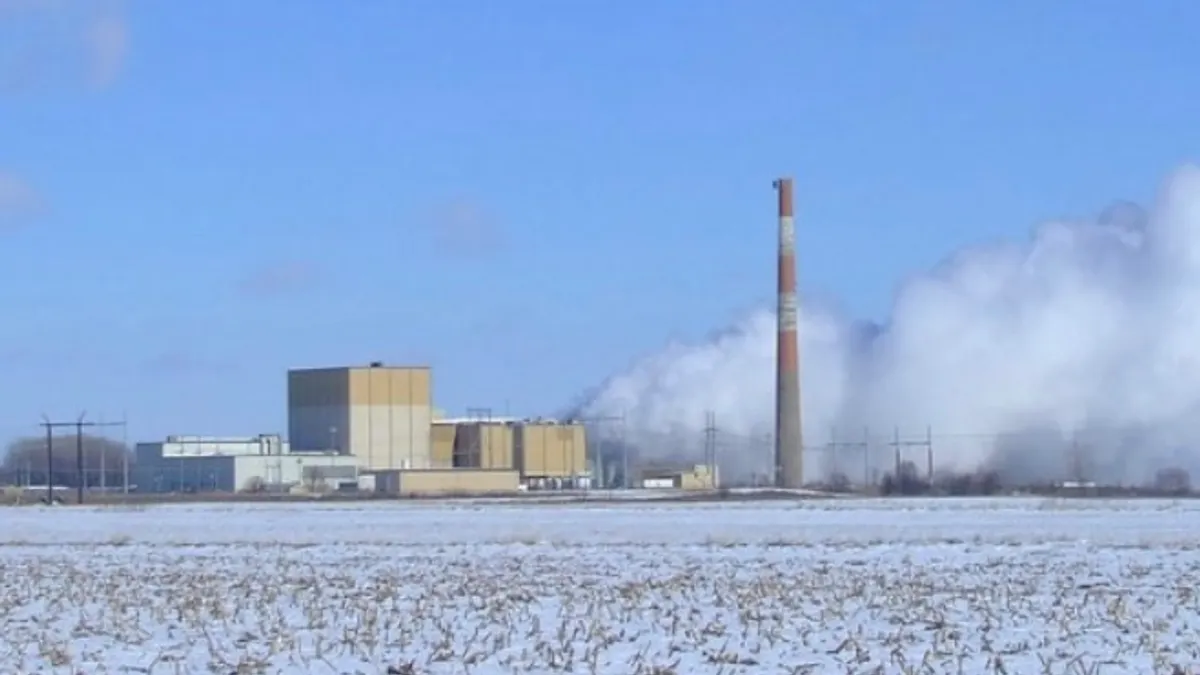
NextEra Energy’s Duane Arnold Energy Center near Cedar Rapids, Iowa, may be the next nuclear reactor to help answer that question. Studies of electricity systems from universities, governments and grid operators all show that firm, clean electricity generation, including nuclear energy, is critical to keeping energy affordable, reliable and secure in the United States. Increasing the power output and extending the safe operation of existing nuclear plants alongside restarting previously closed plants could be one of the most cost-effective ways to supply large amounts of firm clean electricity.
If successfully restarted, the Duane Arnold Energy Center would return about 600 MW of additional clean, firm capacity back to the grid.
NextEra Energy has announced plans to restart the reactor by 2029 but the regulatory process for restoring a closed nuclear power plant can be unclear. How do you relicense and restart a reactor that you’ve started to decommission? Understanding the specific conditions required to restart a plant, along with the operational and nuclear regulatory steps needed, can help show what it takes to make a closed nuclear power plant run like new.
There are three main questions to ask when considering whether a nuclear power plant can be safely restarted: Why was it closed, what condition is it in now, and what is required to restore and restart it?
Why was the plant closed?
Not all nuclear power plants are closed for the same reason. Some nuclear power plants faced technical challenges, but several nuclear power plants in the 2010s (including Duane Arnold) were closed almost exclusively for economic reasons. The plants were operated safely and efficiently, but were not economically competitive at the time in many energy markets due to low natural gas prices and inconsistent federal and state government support for clean energy technologies. It did not make economic sense for utilities to keep them running.
Today, increased electricity demands, the continued need for reliable and affordable electricity, and customers’ desire for cleaner electricity are creating more favorable economic conditions for nuclear energy. The Section 45U production tax credit, available to nuclear power facilities placed in service before August 2022, has also changed the economics of many recently closed nuclear power plants. Technology companies like Google are also interested in investing in new 24/7 clean energy sources that can be used to power data centers while reducing impacts on existing electricity customers.
These factors are prompting utilities to investigate increasing the power output of existing nuclear plants (“power uprates”), extending the operation lifetime of operating reactors (“license extensions”) and examining whether previously closed nuclear plants could be restored to operation (“restarts"). For example, the Three Mile Island Unit 1 was shut down in 2019 due to economic reasons but the plant owner Constellation Energy said in 2024 that it was planning to restart the reactor by 2027, based on a new long-term power purchase agreement with Microsoft.
For plants like Duane Arnold that operated safely and efficiently for decades and was closed for economic reasons, there are likely no major technical barriers to restarting the plant. It’s simply a matter of getting the plant back in operating condition and relicensed.
What condition is the plant in now?
Understanding the current condition of a plant and the pathway to restart depends, in part, on how the plant started the decommissioning process. When nuclear power plants are shut down, they typically follow one of two paths: immediate decommissioning, or DECON, or deferred dismantling, known as SAFSTOR.
DECON involves dismantling systems, structures and components right away. SAFSTOR, by contrast, places the plant in a secure “mothball” state, with systems maintained in safe condition until dismantling occurs later. Utilities may use SAFSTOR to decommission a power plant to allow for the decay of residual radiation on site, enabling a simpler, easier and less costly decommissioning in the future.
Plants that enter SAFSTOR are, in theory, prime candidates for restart because their systems have been maintained and could be restored to operating condition. Duane Arnold started decommissioning using SAFSTOR, and while the systems, structures and components would need to be inspected before restoration, there should be no major technical barriers to restart.
How is the plant restored and restarted?
Before 2020, companies had not seriously considered restarting closed nuclear power plants. Recently, however, the Nuclear Regulatory Commission has begun working with companies and stakeholders to identify the steps required to restore and restart plants.
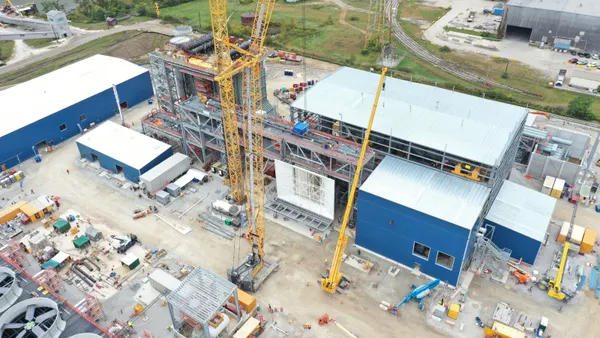
To restart a nuclear power plant, the plant owner must first inspect and test all existing plant systems, and determine what maintenance, upgrades, or replacements are needed to restore full operation. Second, the NRC must independently review the plant, the activities taken or planned to restore it, and how the plant personnel and programs have prepared to restart operations. Third, the NRC must review the environmental impacts of a restart and engage with external stakeholders to gather input and explain how the plant would operate. Fourth, the plant owner, the NRC and the local community must work together on the final steps to restart, including reestablishing emergency planning and response programs. Only after these steps are complete would the NRC restore the operating license and reauthorize operation, subject to any conditions.
The road ahead for Duane Arnold
NextEra and Duane Arnold are still in the early stages of the restart process. The four major steps to restore and restart Duane Arnold will take several years as NextEra works with the community and NRC to complete the restart process. Multiple public meetings and comment periods, hosted by both the NRC and NextEra, will be critical opportunities for transparent, inclusive feedback to help build trust in any potential restart.
Specifically, the NRC has established the Duane Arnold Energy Center Restart Panel which will guide NRC staff on the reviews necessary to restart the plant. Public meetings organized by the NRC with the Duane Arnold Energy Center Restart Panel, such as the NRC’s hybrid public meeting on April 14, are great opportunities for members of the community to learn more about the restart process, ask their questions and provide their input on the restart process.
It may seem like a long road, but this process helps ensure that a restored plant will run with the same high level of safety and performance decades to come, just as it did from its first day of operation in 1975.