Bobby Noble is senior program manager, gas turbine R&D, at the Electric Power Research Institute.
Across the global electric power industry, gas turbine lead times have stretched to levels not seen in decades — and the implications are becoming impossible to ignore. If an energy company ordered a gas turbine today, the unit would, on average, not begin operating until 2031. These delays are no longer a temporary market disruption. They are becoming a structural constraint on how quickly utilities and developers can respond to rising electricity demand, extreme weather, and the retirement of aging generation assets.
Large natural gas turbines now require more than five years from order to delivery. Smaller turbines — historically the most flexible and responsive part of the fleet — now take 18 to 36 months. At the same time, costs have risen sharply. In just the past six months, EPRI research shows average gas turbine prices increased from roughly $2,000/kW to $3,000/kW, a nearly 50% increase. While inflation contributes to this rise, the larger driver is sustained stress across the global manufacturing supply chain.
This market looks quite different from previous boom cycles. During the dot‑com era, turbine demand was concentrated in a single sector, and the eventual collapse left excess capacity across the industry. Today’s demand is broader, more durable, and coming from multiple directions. Data centers and artificial intelligence, industrial growth, electrification and the need to maintain reliability as older assets retire are all driving orders simultaneously. Demand for gas turbines is rising at the same time manufacturing lead times are extending — and that combination is reshaping planning across the power sector.
The numbers illustrate how quickly the market has tightened. In 2025, worldwide orders reached 846 gas turbines totaling 100.3 GW, more than doubling the 399 units and 58.2 GW ordered globally in 2024. In the United States alone, orders totaled 427 units, representing 43.1 GW. This rapid escalation underscores both the scale of demand and the limited slack in the manufacturing system.
The composition of those orders is changing as well. In 2025, 70% of all turbines sold were under 100 MW, up from 66% the year before. Growth has been particularly strong in the 3 to 20-MW range, which is increasingly important for localized reliability needs, industrial applications, and modular power deployments.
At the other end of the spectrum, advanced H‑ and J‑class turbines accounted for more than half of all new megawatts ordered, despite representing only 14% of total unit count. The market is expanding in two directions at once — adding more small turbines for distributed and flexible applications while also deploying large units to meet system‑level capacity needs.
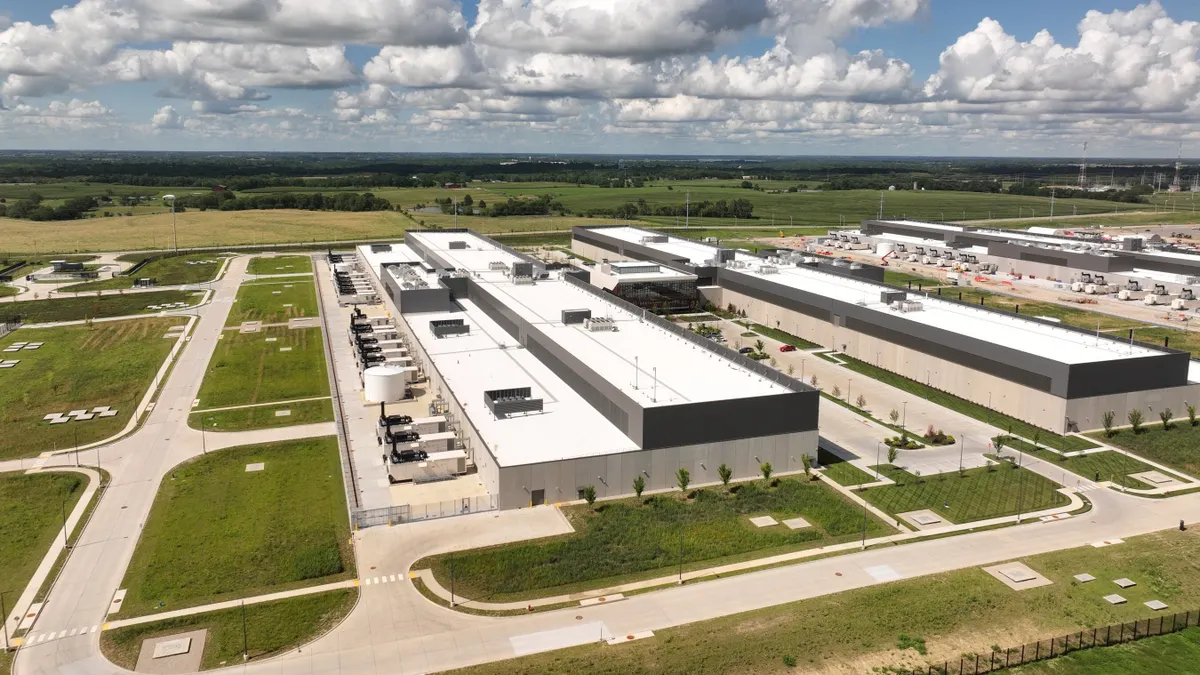
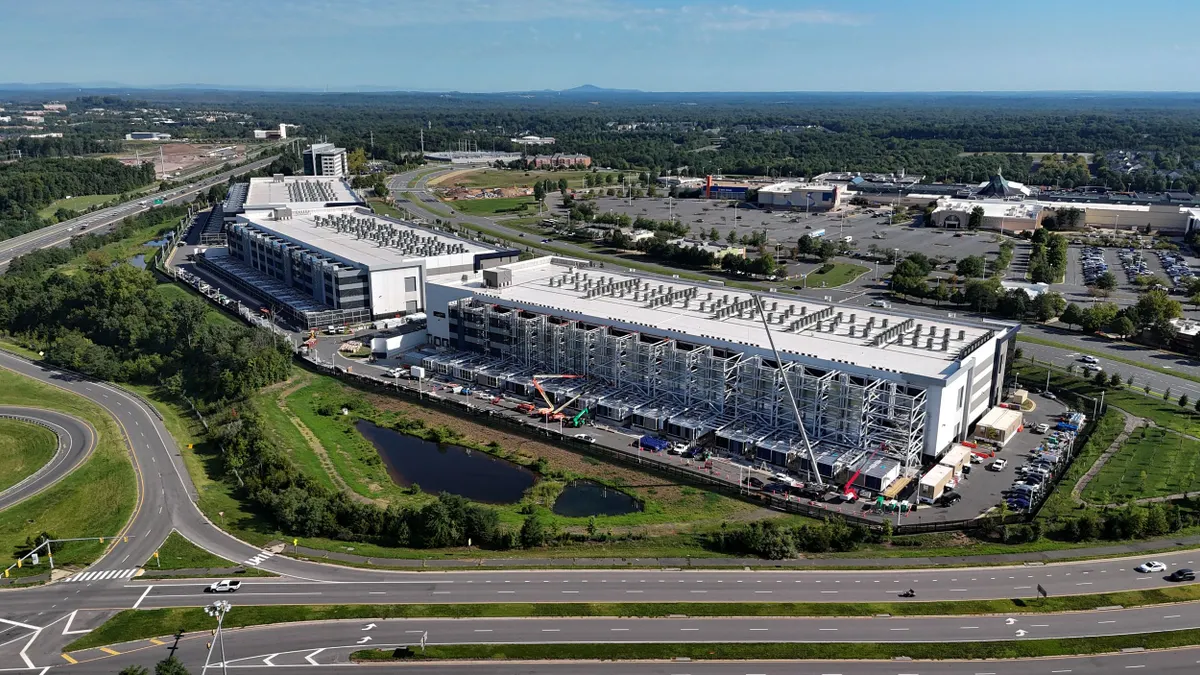
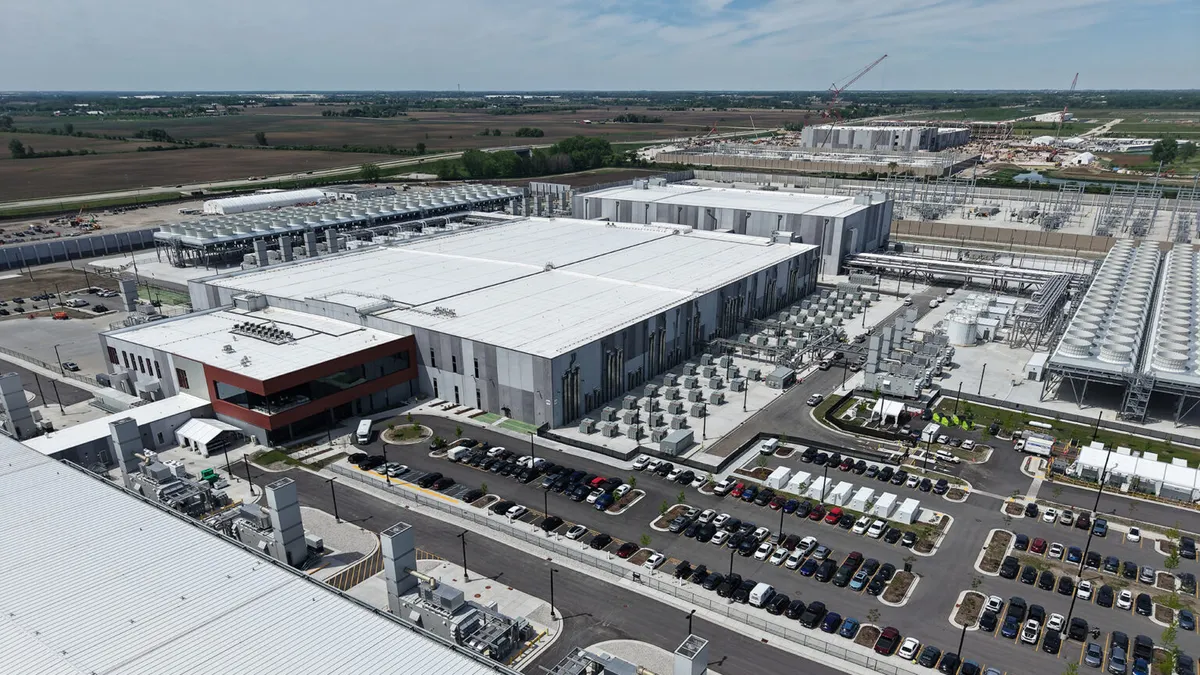
This dual expansion is increasingly visible in the data center market. While public attention often focuses on gigawatt‑scale campuses, a growing share of new AI‑driven infrastructure is being built in modular increments of 20 to 40 MW, designed to scale over time. A recent 25‑MW high‑density data center development in the United Arab Emirates, with secured long‑term power and expansion capability beyond 100 MW, reflects this shift toward right‑sized, application‑specific deployments. For the gas turbine market, this reinforces demand for smaller, flexible units even as utilities continue ordering large‑frame turbines to support grid reliability.
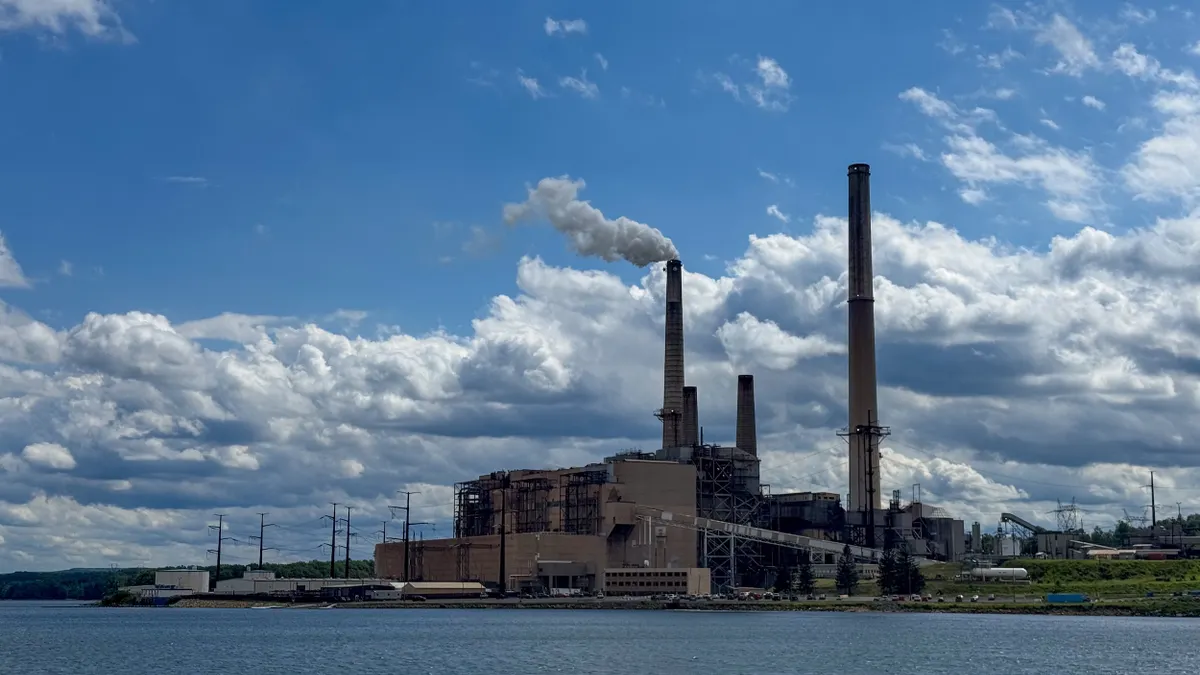
These trends raise questions about whether the U.S. faces a supply gap. EPRI does not quantify a specific gap because the intent behind individual turbine orders is not always clear. Some units are purchased for data centers, others for utility capacity expansion, and still others for contingency planning. At the same time, coal unit life extensions continue, underscoring how tight the system has become and how central manufacturing timelines are for reliability planning.
The limiting factor does not appear to be turbine technology, but the manufacturing system itself. Meeting today’s demand requires more castings, expanded factory space, and additional assembly capacity. It also requires more people - from skilled manufacturing workers and more labor at the engineering, procurement, and construction level, to design and build facilities. These challenges extend beyond the turbine. Balance‑of‑plant equipment must scale as well, and key components such as transformers already face long lead times of their own.
Government policy can play a supporting role. Incentives that encourage domestic manufacturing, workforce development, and investment in specialized suppliers can help expand capacity over time. However, many of the most critical capabilities such as advanced casting and thermal barrier coatings require deep expertise. Introducing new suppliers too quickly can create long‑term risks related to quality and component life.
Recent investments in U.S. manufacturing, including expansions by major turbine suppliers, reflect growing recognition that the energy transition depends not only on planning generation, but on the ability to build equipment at the pace the grid now requires. Manufacturing capacity is becoming as important as generation capacity.
For utilities, long‑range planning is no longer optional. Four‑ to five‑year lead times are likely to continue for now, and reliability in that environment depends on early, informed decisions. Orders are rising. The mix of turbine sizes is shifting. Manufacturing timelines have stretched, and costs have reset. Together, these forces will shape how the electric grid evolves over the next decade. Understanding and planning for them is essential to maintaining a reliable, resilient, and affordable power system.
CORRECTION: This story has been updated to correct the degree to which worldwide gas turbine orders grew last year. They more than doubled 2024 orders.