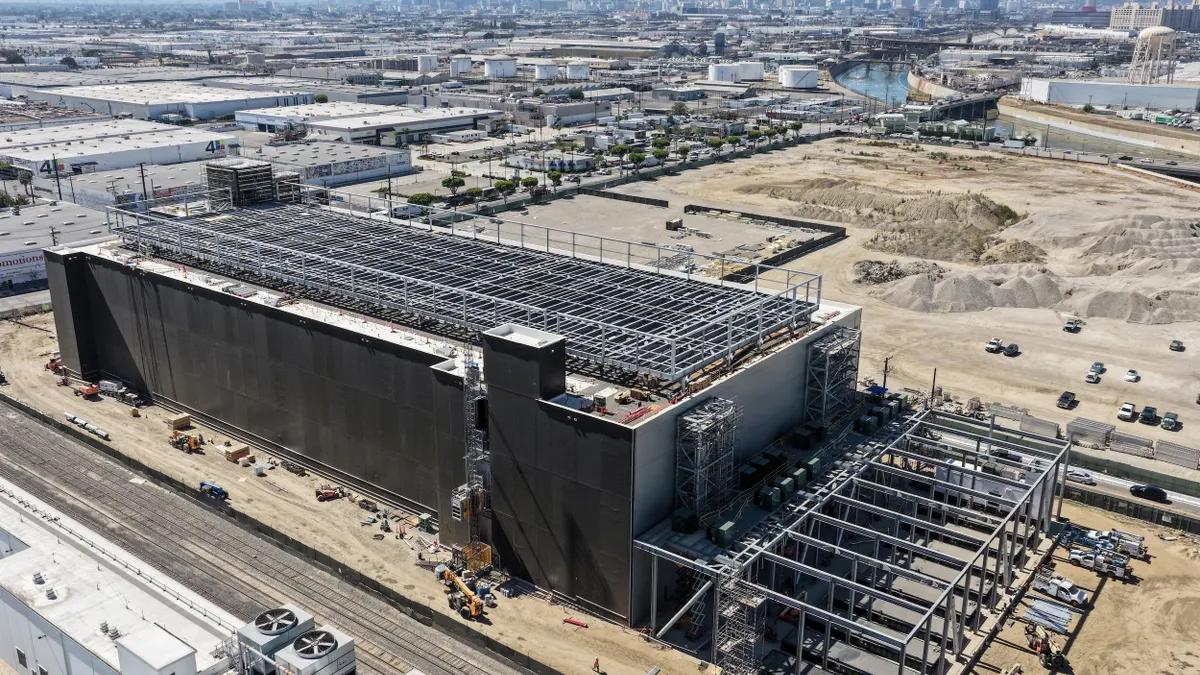
Detroit-based utility DTE Energy is preparing to serve a 1.4-GW Oracle data center and is in varying stages of discussion with another 7 GW of potential projects, company officials said Thursday in the company’s first quarter earnings call.
DTE “continues to make steady progress executing and finalizing contractual agreements needed to support data center growth,” President and CEO Joi Harris told analysts.
DTE Energy operating earnings for the first quarter of 2026 were $407 million, compared with 2025 operating earnings of $436 million, with the decline associated with energy trading and the timing of taxes and higher interest expenses. Electric subsidiary DTE Electric saw operating earnings of $218 million in the first quarter, compared with $147 million in the same period last year, with the jump partially attributable to the timing of taxes, rate implementation and colder weather.
The Michigan Public Service Commission gave conditional approval to the Oracle contract in December “and construction is underway, with load ramping over the next several years,” Harris said. The demand growth is supported by existing capacity and planned energy storage, with Oracle covering the full cost of their energy and capacity needs, she added.
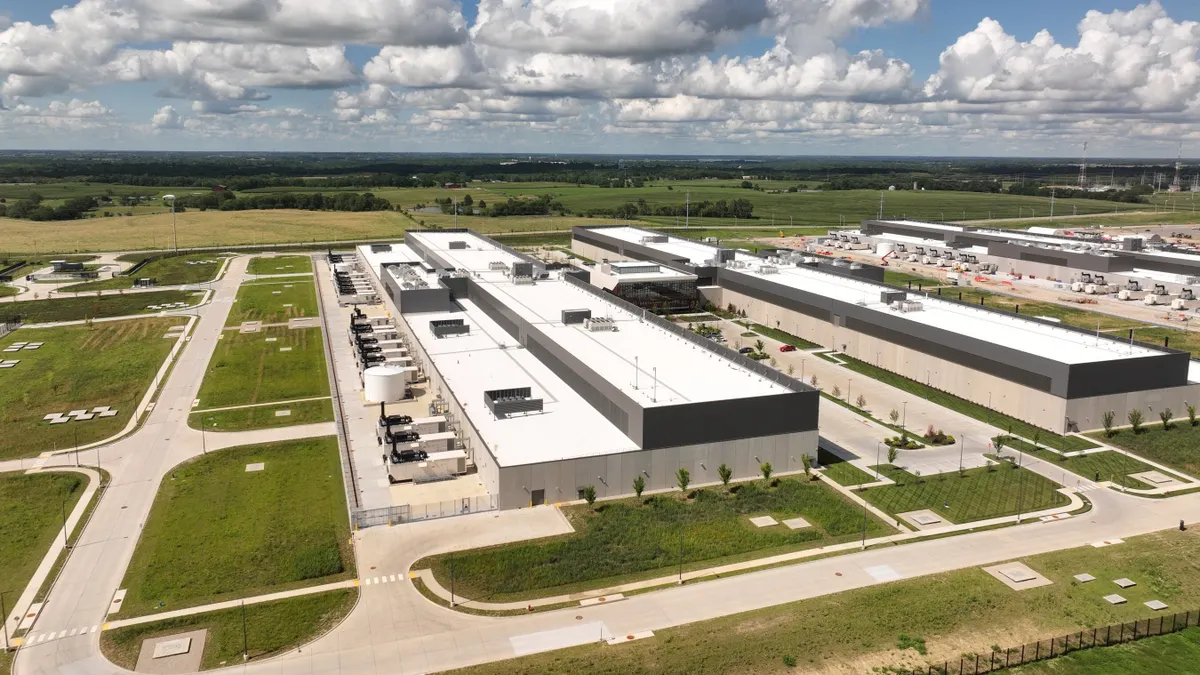
DTE has also filed contracts for a 1-GW Google data center deal with the PSC and is awaiting approval, Harris said.
“We expect their load to fully ramp by the end of 2028,” Harris said. The load ramp will be supported by up to 1,600 MW of renewable generation, 480 MW of energy storage and 350 MW of demand response, according to DTE’s earnings presentation. Approximately 700 MW of longer-term generation will also be identified through the integrated resource planning process.
Meeting Google's capacity needs could drive roughly $5 billion in incremental generation and storage investment through 2032, Harris said. “Importantly, these investments are supported by contracts that protect existing customers,” she said.
The utility has proposed a 20-year power supply agreement with minimum monthly charges combined with a separate clean capacity acceleration agreement that covers renewable and storage investments for Google, she said. Termination provisions combined with credit and collateral requirements “are designed to protect existing customers and support affordability.”
Like the Oracle deal, Google will cover the full cost of its energy and capacity needs “while also providing affordability benefits to our other customers,” Harris said.
Beyond those two projects, DTE is in “advanced discussions” with data center projects that could represent roughly 2 GW of incremental load, “with additional projects in our pipeline that could add another 3-4 GW over time,” Harris said.
“Collectively, these opportunities would require investment in new baseload generation, renewables and related storage with the exact resource mix and timing to be refined through the IRP process,” Harris said. “Overall, we see our strong pipeline continue to advance with disciplined execution that delivers growth while remaining focused on reliability and affordability.”
The growth positions DTE to achieve the high end of its operating earnings per share guidance, officials said.
“We are confident in our long term operating EPS growth rate target of 6-8% through 2030 and we remain confident in our ability to reach the high end of our guidance range in each year driven by [research and development] tax credits and the flexibility they provide,” Harris said. “The Google data center project and other data center opportunities provide upside to this plan.”
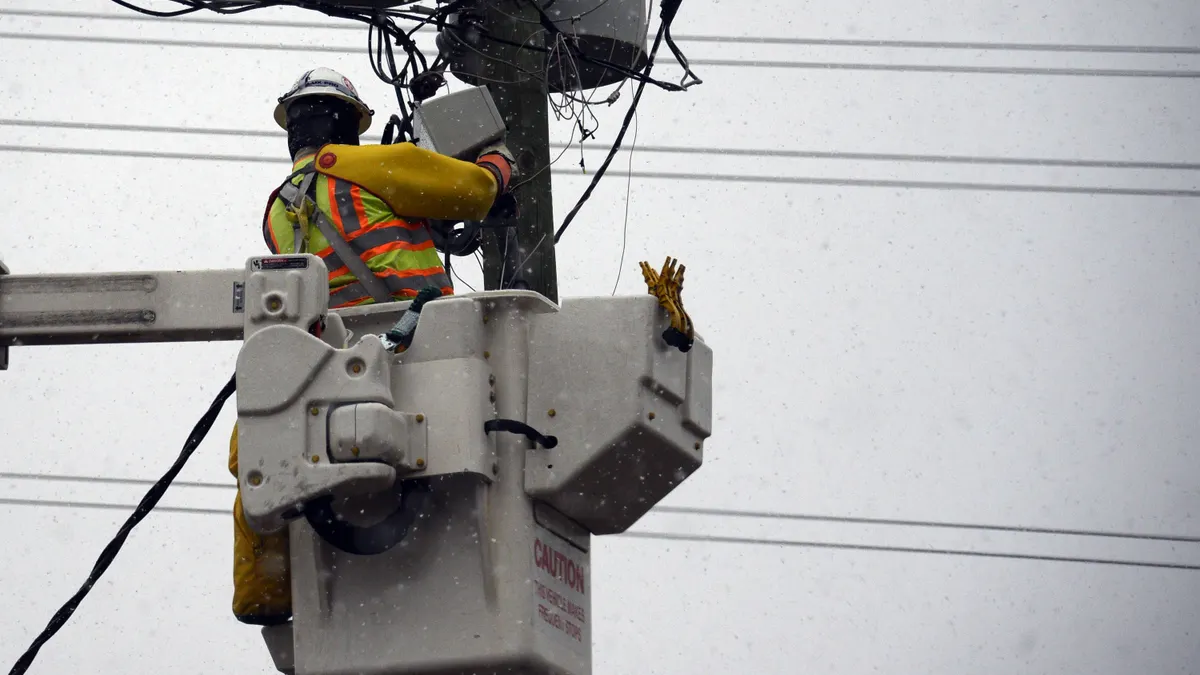
DTE Electric is also seeing improvements in electric reliability, following a 2024 audit that concluded the utility was “worse than average” in outage restoration times. Following a severe wind storm in March, the utility said it experienced 60% fewer outages compared to similar historical events, and 99% of affected customers had their power restored in less than 48 hours. And it is on track toward reaching a goal of reducing power outages by 30% and cutting outage time in half by 2029.
“The improvements we're seeing today reflect years of targeted investment, improved processes and the commitment of our employees,” Harris said. “This work continues to make a meaningful difference for our customers through less frequent outages, faster restoration and improved reliability ... We are continuing our efforts to modernize our electric distribution system, including the installation of smart grid devices to improve outage detection and restoration times.”
Also this week, DTE Energy filed a $474.3 million electric rate case with the PSC, though it has committed to subsequently freeze the rates for two years — so long as certain new customer projects come online as anticipated and other regulatory approvals are received.
“This rate case filing is predominantly driven by our distribution infrastructure investment plan, which is squarely focused on improving reliability,” Harris said. “This plan is focused on achieving our goal of reducing the frequency of power outages by 30% and cutting their duration in half by 2029.”