Dive Brief:
- DTE Energy said Thursday that it plans to file a $474.3 million electric rate case in Michigan next week, adding that it would subsequently freeze the rates for two years — so long as certain new customer projects come online as anticipated and other regulatory approvals are received.
- Utilities in Michigan are allowed to file new rate cases every 12 months, but a pending proposal in the state legislature would set a three-year minimum between rate cases in response to public backlash over back-to-back increases. DTE Electric has filed five cases in the last seven years, DTE spokesperson Ryan Lowry told Utility Dive.
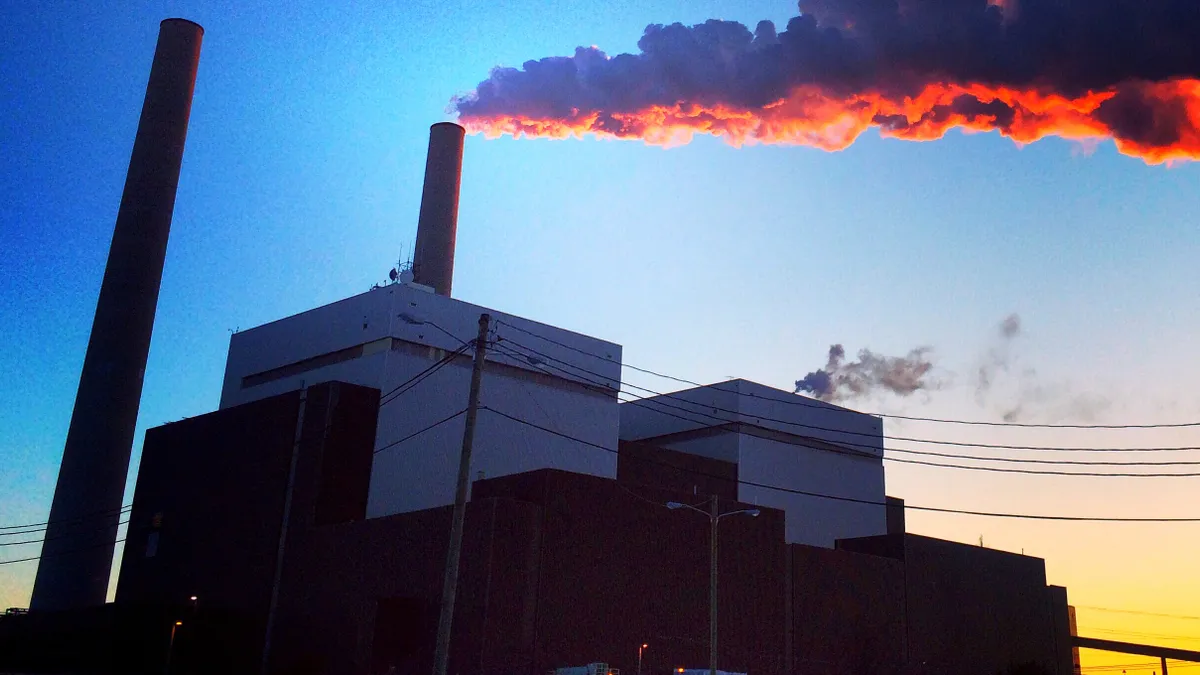
- The revenue request DTE intends to file next week supports the conversion of DTE’s Belle River Power Plant from coal to natural gas and the development of the 220-MW Trenton Channel Energy Center, which is “expected to be the largest stand-alone battery energy storage facility in the Great Lakes region when it is commissioned,” the utility said.
Dive Insight:
While DTE Energy CEO Joi Harris said in a statement that the proposed two-year rate freeze was “driven by the affordability benefits that data centers will generate” and concerns about customer affordability, the timing coincides with a push at the state legislature that would effectively accomplish the same thing by prohibiting utilities from filing earlier than three years after their last rate case.
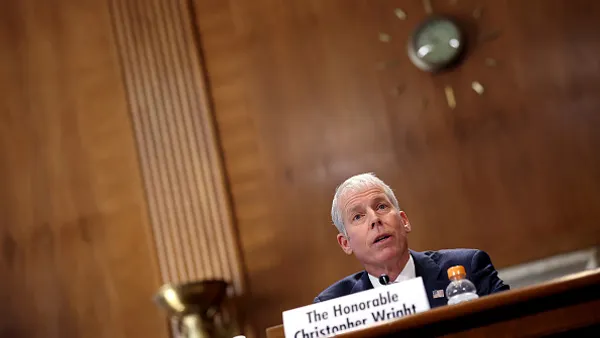
Last week, Michigan Public Service Commission Chair Dan Scripps appeared to endorse the idea at a state Senate committee hearing on the bill, SB 768.
"The spacing out [of] utility rate increases would help with one concern, which is the frustration that utilities are coming in to propose additional increases before their current increases, in some cases ... even take effect," Scripps said, according to the local ABC station, WZZM 13.
Scripps called the bill "a great starting point for an overdue conversation.”
According to DTE’s rate announcement, the utility will deliver its request to the MPSC on Tuesday to support “several billion dollars of investment in the electric grid and power generation.”
In the utility’s fourth-quarter earnings presentation in February, the company indicated its DTE Electric subsidiary, which serves about 2.3 million customers in southeastern Michigan, plans to spend $30 billion between 2026 and 2030 — a 25% increase over its 2025-2029 investment plan. Half of the investment targets cleaner generation and $11 billion will go toward distribution system investments, it said. DTE’s next earnings call is scheduled for April 30.
In 2023, DTE’s generation mix was 45% coal, 19% nuclear, 19% gas and 14% renewables. By 2033 it expects to phase out coal, increase its level of gas generation and boost renewables to 42%.
The utility said it expects the PSC will take about 10 months to review its rate request. A final decision is not expected until late February 2027.
DTE has one data center supply contract approved by regulators and another waiting on PSC approval. Those will contribute nearly $9 billion to improving DTE’s electric system through 2045, “helping to reduce the total amount needed from other customers,” the utility said.
“As long as the first data center project we’re supporting comes online as planned by the end of 2027 and we’re able to receive other regulatory approvals, we will refrain from filing another rate request until at least 2028,” Harris said.
“That’s why we’re excited to see the expected benefits of responsible data center development come to fruition,” she added. The new industry will help grow Michigan’s economy and “will make energy more affordable for all customers while bolstering our investments in creating the grid of the future,” she said.
Consumer advocates say predicating the rate freeze on DTE getting its increased revenue requirement is akin to holding the ratepayers "hostage.”
“We’re not dumb: Michiganders know this so-called two-year 'rate freeze' is smoke-and-mirrors because DTE is under pressure, and that our bills will continue to climb with passed-on fuel costs, market swings, and ballooning delivery fees,” Alex Kellogg, energy accountability manager for the Michigan League of Conservation Voters, said in a Friday statement.
The group has been critical of how regulators approved DTE’s first data center deal in December, in particular around what they see as a lack of transparency.
“No matter what DTE says, these constant, rubber-stamped rate hikes must end, and data center approval processes must be open and transparent,” said Kellogg.
The rate request comes as DTE customers are seeing improvements to reliability, company officials noted. In 2025, DTE reduced outage times by 60% compared with the prior year, they said.
A 2024 audit the PSC published found that DTE Electric was “worse than average” in outage restoration times.
“While we’re proud of our progress, we know we have more work ahead,” Matt Paul, president and chief operating officer of DTE Electric, said in a statement. “Every investment we make moves us closer to our goal: a stronger, more reliable grid.”
Part of the utility’s reliability strategy hinges on battery storage. Separately from its rate case, DTE said Wednesday that it will issue a request for proposals for new standalone energy storage projects totaling up to 480 MW. The utility plans to have 2,950 MW of energy storage capacity in its portfolio by 2042.
Bids on the new 480 MW request for proposals are due July 8, and the utility expects to execute contracts in the first quarter of next year. Projects must be located in Michigan and interconnected to the Midcontinent Independent System Operator or distribution-level transmission, DTE said.
Correction: This story has been updated to reflect that DTE's rate case announcement was made on Thursday.