Todd Snitchler is president and CEO of the Electric Power Supply Association, which represents competitive power suppliers that own and operate more than 225,000 MW of capacity throughout the United States.
Last year’s capacity auction in the PJM Interconnection set the table for a renewed power market debate this year. One side of the debate argues the solution is simple: Abandon competition and return to vertically integrated utility monopolies. That would be a costly mistake.
For decades, competitive wholesale electricity markets have driven efficiency, encouraged private investment and helped deliver reliable power at lower costs. While rising electricity demand is creating new pressures on the grid, blaming competitive markets for those challenges ignores both how these markets function and the long track record of benefits they have delivered for consumers.
The “simple solution” supporters point to PJM's capacity auction results and the ensuing rhetoric as evidence that the competitive markets are failing to provide adequate supply for lower cost. But that argument relies heavily on cherry-picked data and demonstrates a clear misunderstanding of how electricity markets actually work.
Prices and incentives
High capacity prices are often used as a talking point, but they alone do not determine what consumers ultimately pay for electricity. The bulk of electricity costs are determined in real-time and day-ahead energy markets, where generators compete to supply power. It’s important to understand that high capacity prices can occur even when energy prices remain relatively low, thus they are a poor standalone indicator of overall consumer costs. Focusing only on capacity auction prices without this broader context only induces fear when consumers deserve unbiased, factual information.
Opponents of competitive generation also suggest that independent power producers have little incentive to build new generation because it would lead to lower wholesale prices, therein devaluing their existing fleet. That argument also misses the mark on how the market actually functions. It also raises an obvious question: If power plant owners are supposedly slow to react and fill the need, why aren’t utilities seizing on the clear opportunity and building new generation through their competitive affiliates? Hint: Because they don’t want to take the risk, they want consumers to shoulder that risk.
Utilities prefer a model in which captive customers bear the risk of generation investments. In the regulated monopoly model, Americans remain on the hook, through increased rates, for any approved generation projects, even if a new plant fails to move a single electron. In contrast, in competitive markets, private developers must invest their own capital and recover those costs through market performance. If that unit becomes less efficient or too expensive to run, it gets priced out of the market and replaced by something better.
Who should bear the costs and risks?
Utility advocates also steadfastly argue that their investments in generation are overseen by regulators, implying that the regulators alone are the voice for the public and a stopgap for monopolistic behavior. But that statement unintentionally reveals the core problem with monopoly utilities: A regulatory authority is needed to challenge their actions and oftentimes those authorities have no choice but to approve the hikes since there are no secondary options, i.e., competition.
To ensure reliability in monopoly territories, regulators approve rate increases so utilities can recover their costs plus a return on that investment. That means consumers are responsible not only for successful investments, but also for projects that go over budget, fall behind schedule or become unnecessary.
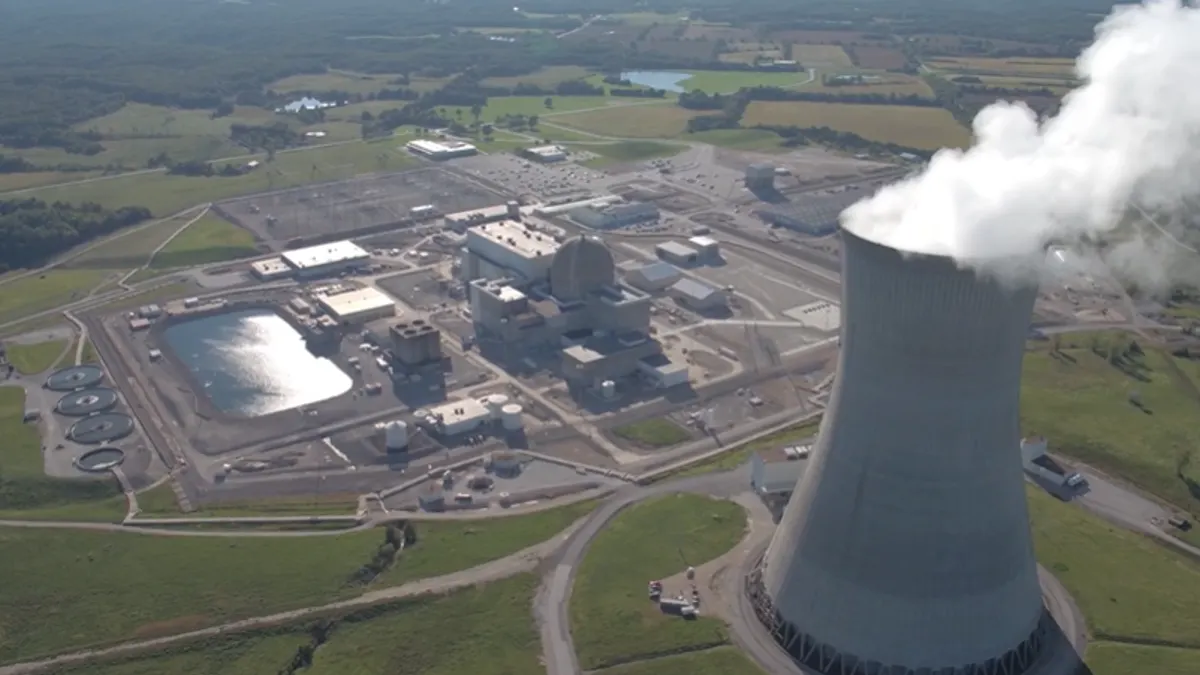
History provides us with several cautionary examples. The V.C. Summer nuclear expansion project in South Carolina was abandoned in 2017 after costs ballooned from an estimated $10.5 billion to more than $25 billion and the completion timeline shifted by multiple years for both reactors. Despite the project never producing a single megawatt of electricity, South Carolinians were still responsible for paying billions of dollars in construction costs. Though there is recent discussion that the project can be revived for new load addition, the cost of doing so could be substantial. It cost the state’s residents $9 billion to complete less than 50% of the project before it collapsed. How much can they expect to pay for the remaining balance?
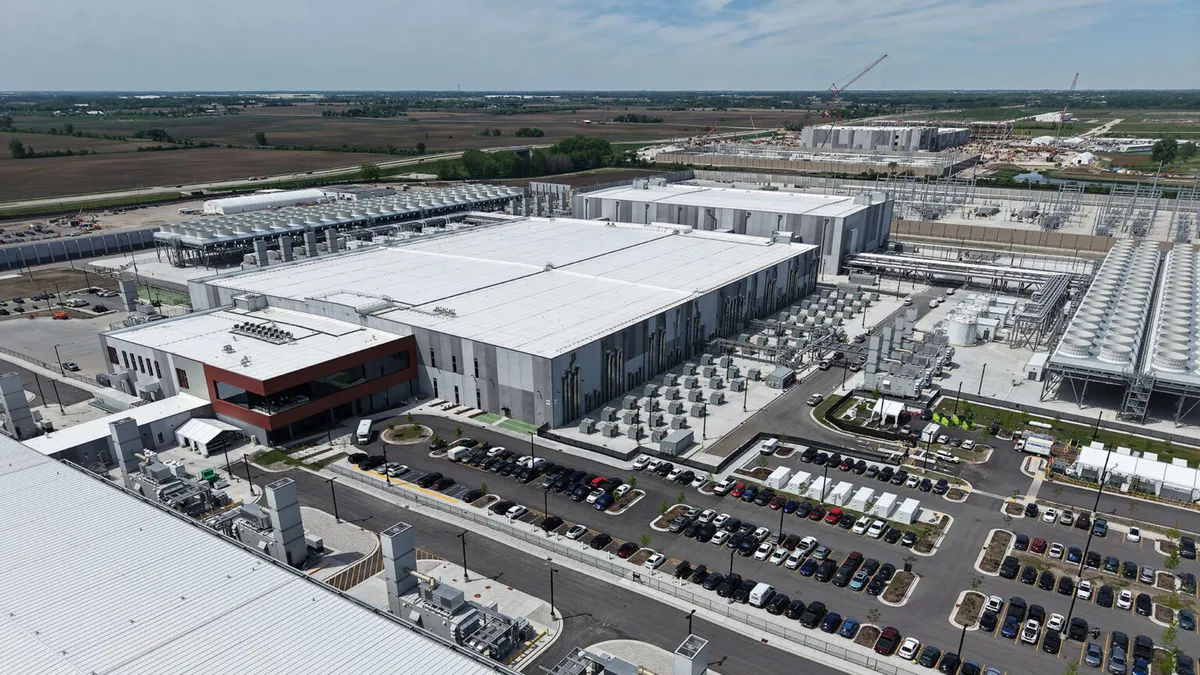
The argument that regulated states are handling the surge in electricity demand from data centers without price spikes or policy chaos is wrong. Utilities are raising rates while, in one notable instance, former utility executives face charges for bribery and corruption. Still, recent congressional analysis shows price pressures emerging across both competitive market regions and states served primarily by vertically integrated utilities.
The difference between the two is how those pressures are addressed. In competitive markets, higher prices over a sustained period act as signals for new investment, and data from the PJM Power Providers Group shows that’s exactly what’s happening. Capital investment in the market is mobilizing, with 12,000 MW of additional generation since 2024 expected to enter the PJM grid. Independent power producers respond to increased demand by increasing current capacity and building new generation to meet it with private capital assuming the financial risk.
Having independent power producers bear the risk matters, particularly given the uncertainty surrounding the rapid growth of demand from artificial intelligence and data centers. Forecasting these trends decades into the future is inherently difficult. If utilities overbuild generation based on overly optimistic projections, consumers remain responsible for paying for those assets even if they are no longer needed.
Fix regulatory barriers to make markets better
Competitive markets have delivered measurable results. Since such markets were introduced in the 1990s, wholesale electricity prices have generally declined, reliability has improved, and emissions have fallen significantly as innovation accelerated across the power sector. The part of the utility bill that has gone up is transmission and distribution — the part utility companies are directly responsible for.
None of this means the electricity sector is without challenges. But abandoning competition would not solve those challenges. It would simply shift more risk onto consumers and reduce the incentives that drive efficiency and innovation, guaranteeing higher costs for customers unable to avoid them.
Electricity markets work best when they are allowed to function properly. Policymakers should focus on removing barriers that delay new infrastructure, ensuring permitting processes keep pace with investment needs, and allowing competitive price signals to attract the generation resources required to meet growing demand.
The U.S. power system faces a period of significant transformation. Meeting that challenge will require flexibility, innovation, and investment. Competitive electricity markets remain one of the most effective tools available to deliver all three while protecting consumers from the financial risks of large scale generation investments.