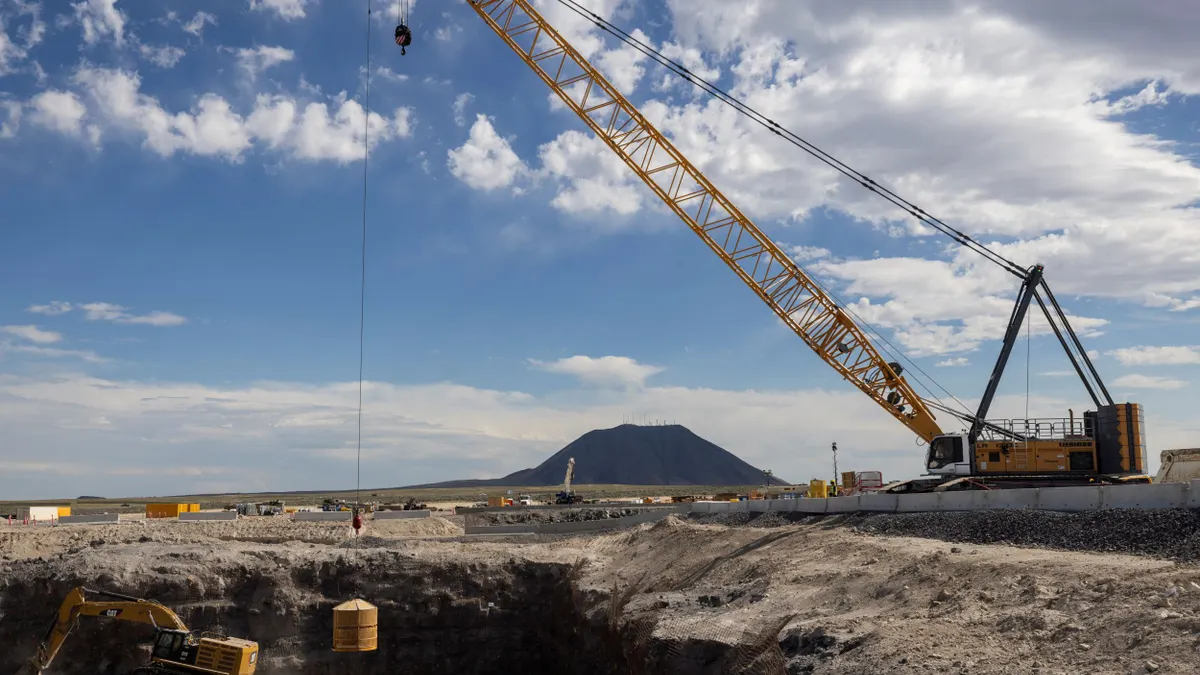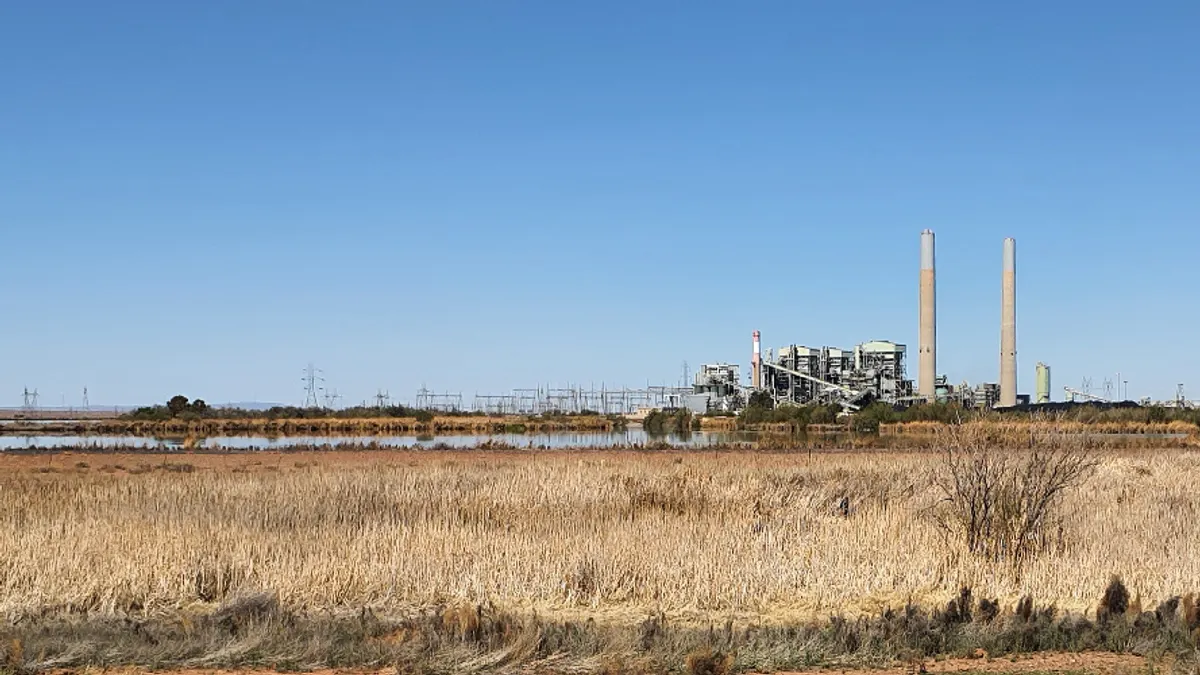
Arizona Public Service plans to convert two units at its retired Cholla Power Plant in Navajo County, Arizona, to natural gas generation, providing up to 380 MW of energy, the utility announced Thursday.
The plant’s coal units were retired over the last decade due to federal environmental mandates, with the final retirement occurring in March 2025, APS said. At peak generation, the plant supplied around 1 GW of power.
“While these same federal regulations provided an option to convert the plant to run on natural gas in the future, earlier evaluations of the conversion didn’t provide an economic benefit for our customers,” APS said on its website. “However, given Arizona’s increasing demand for around-the-clock energy and the long timelines for adding new generation, the conversion has proven to be a viable option to deliver reliable, affordable energy to APS customers.”
Last year, the utility said it expects its electric sales will grow by 4% to 6% a year through 2027, mainly driven by the addition of large loads onto its system. In April, the Arizona Corporation Commission said APS “estimates its peak demand load for large customers will reach approximately 13.1 gigawatts this year.”
The utility’s release said the conversion will preserve the plant’s legacy while “leveraging existing transmission lines and infrastructure to support Arizona’s energy future.”
“Cholla has been an important part of the communities of Joseph City, Holbrook, Navajo County and northeastern Arizona for decades and has been foundational to Arizona’s energy grid,” said Johnny Penrod, APS vice president of generation. “Repurposing the Cholla Power Plant for natural gas allows us to build on that legacy.”
APS said the new gas facility will “further support APS’s diverse energy mix — which includes nuclear from the Palo Verde Generating Station, natural gas, coal, solar, wind and battery energy storage.”
Construction on the gas conversion is expected to begin in 2028, with a target in-service date of 2029, the utility said.
APS noted that the project “will need to go through formal permitting and planning processes” and that the utility will take public comment through open houses and via phone and email.
Correction: This story has been updated to correct the amount of generation APS is bringing online with the Cholla Power Plant conversion.