Dive Brief:
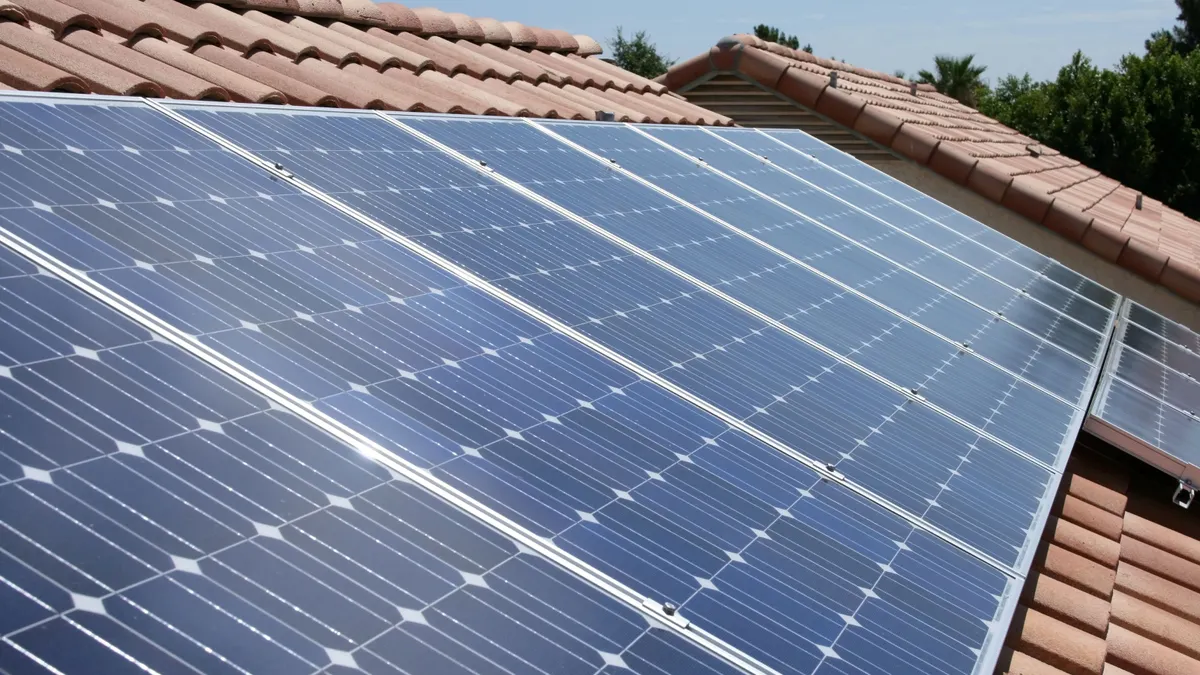
- A revised demand response framework expected from the California Independent System Operator on Aug. 19 could incentivize upwards of 2 GW of behind-the-meter energy resources to participate in the ISO’s wholesale power market, according to Advanced Energy United’s lead regulatory official for the western United States.
- A draft proposal CAISO released last month would treat distributed energy resource aggregators as discrete resources, allowing them to export power within CAISO load zones until their net load hits zero.
- This and other changes aim to provide greater flexibility for distributed resources to participate in wholesale demand response programs as more California ratepayers install behind-the-meter batteries and other DERs, CAISO’s Demand and Distributed Energy Market Integration working group said in the draft proposal.
Dive Insight:
The draft proposal floats “a small accounting change [that] could significantly change the battery market in California,” Brian Turner, a senior director with AEU, told Utility Dive in an interview
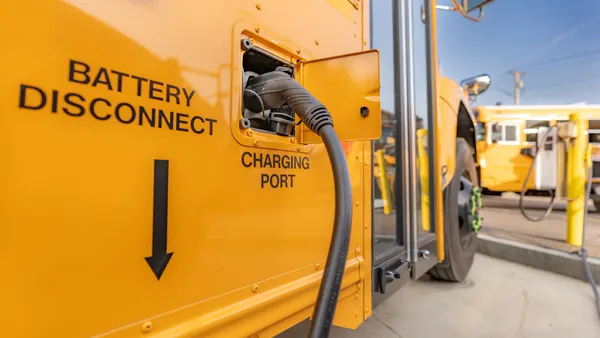
Turner said the status quo effectively locks behind-the-meter batteries out of CAISO’s resource adequacy market, partly due to the grid operator’s concerns about the deliverability of locally exported power. Today, batteries can tap wholesale market value when they offset on-site load during peak events, but any exports past the meter earn only retail net metering or net billing tariff credit, he said.
The draft proposal would assign wholesale value to behind-the-meter battery aggregations that help reduce load within any of CAISO’s more than 20 sub-load aggregation points, or sub-LAPs — discrete regions of its transmission grid.
“It sounds wonky, but it makes a big difference for how California will get real deliverable resources from these DERs,” Turner said.
The approach “enables greater use of behind-the-meter resources while not modifying
the fundamental definition of [demand response] as load curtailment,” CAISO said in a summary of the draft proposal. Aggregators looking to become net energy exporters would still need to enter the “appropriate generation interconnection queue,” it said.
CAISO’s proposal leaves open the possibility of net exports at the aggregation level in future iterations of its demand response framework, however.
A related demand response rulemaking underway at the California Public Utilities Commission could further bolster distributed resource market participation in the country’s largest behind-the-meter battery market, but the timeline for action there is unclear, Turner said.
In a February scoping order, CPUC said it would consider multiple questions around demand response. It set an accelerated timeline to consider the most urgent one: whether to approve or modify “bridge year” funding extensions that would allow the state’s investor-owned utilities to continue operating existing demand response programs and pilots through the 2028-2029 biennium.
The order lays out four other demand response issues for CPUC consideration, including reforms to “make demand response resources more consistent, predictable, reliable and cost-effective,” such as valuation methodologies for participating resources, CAISO market integration, resource adequacy valuation and cost-effectiveness evaluation.
In the scoping order, CPUC said it would aim for a decision on the four less-urgent issues in the fourth quarter of 2026 while allowing itself as much as two years — until February 2028 — to resolve all outstanding questions.
“The optimistic case is the first half of 2027” for when the CPUC might answer those questions, Turner said. The pending CAISO framework “does make the job easier for the CPUC and the new governor” — who appoints CPUC members to be confirmed by the state Senate — “to prioritize getting this done … as a near-term win for affordability and reliability,” he added.