UPDATE: May 29, 2026: Colorado Gov. Jared Polis, D, today signed a bill into law that requires utilities to evaluate advanced transmission technologies in the planning processes.
“HB 1081 is about getting more power, reliability, and affordability out of the grid we already have,” Emilie Olson, Advanced Energy United’s Colorado lead, said in a press release. “The bill gives Colorado a faster, lower-cost path to meet rising energy demand, strengthen resilience against extreme weather and wildfire risk, and deliver cleaner energy without sticking ratepayers with avoidable costs.”
Colorado lawmakers on Tuesday passed legislation that requires regulated utilities to consider using “advanced transmission technologies” that could improve the efficiency of the existing grid, sending the bill to Gov. Jared Polis, D, who is expected to sign it.
The Colorado Grid Optimization Act — HB 1081 — directs the Colorado Public Utilities Commission to adopt rules so that Public Service Co. of Colorado, an Xcel Energy subsidiary; Black Hills Energy; and Tri-State Generation and Transmission Association include an analysis of advanced transmission technologies in the 10-year transmission plans they issue every two years.
The utility assessments must include a look at how advanced transmission technologies could increase Colorado’s ability to import and export electricity, speed the hookup of new generation or load to the grid and reduce wildfire risk.
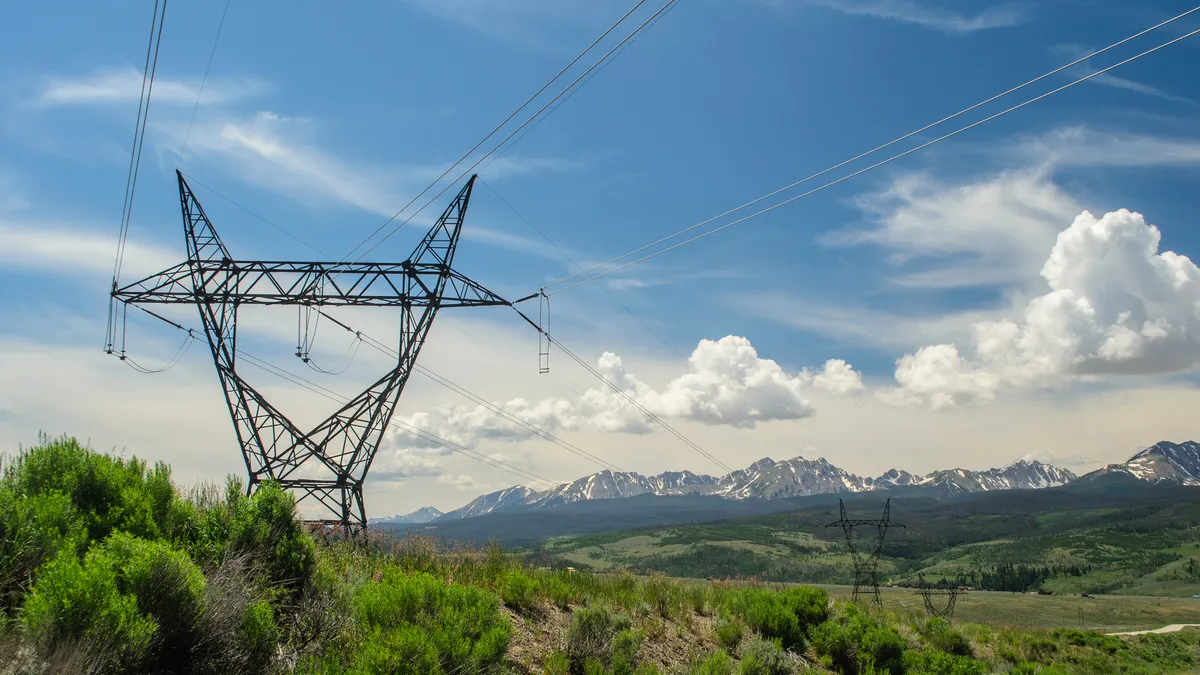
Advanced transmission technologies — also called grid-enhancing technologies — include sensors and software for dynamic line ratings, topology optimization software, advanced conductors and energy storage. Those and other technologies can optimize the cost, utilization and value of new transmission, according to the bill.
“When planned in tandem with proposed new transmission facilities, these technologies can alleviate transmission constraints, improve system efficiency, inform more strategic siting and sequencing of infrastructure, and support broader benefits for customers, landowners, wildlife, and disproportionately impacted communities,” lawmakers said in the bill.
A growing body of research appears to support such technologies’ value for keeping costs down and freeing capacity at a time of dramatic load growth. Improved grid utilization could save customers of vertically integrated U.S. utilities $110 billion to $170 billion over the next 10 years, according to a report released last month by GridLab and the Utilize Coalition.
“By using existing infrastructure with the help of proven technologies, Colorado can more cost-effectively tackle near-term reliability needs while preparing the existing system for extreme weather conditions, wildfire risk, and continued load growth,” Emilie Olson, Colorado lead at Advanced Energy United, said in a press release.
The bill also requires the Colorado Electric Transmission Authority to engage with subregional transmission planning organizations as much as possible. Further, advanced transmission technology projects that require utility line construction must meet prevailing wage requirements.
Other states are also seeking to bolster their grids with advanced transmission technologies.
Virginia Gov. Abigail Spanberger, D, on Monday signed a bill into law that requires the state’s two major utilities to provide distribution grid utilization data to state regulators and to propose initiatives to use more existing capacity.
As of March 3, 16 states had some form of advanced transmission technology requirements and two were considering them, according to the State Policy Climate Dashboard, a project of Climate XChange, a nonprofit group. California, Indiana, Massachusetts and Minnesota are deemed “model states,” per the dashboard.
States’ focus on grid-enhancing technologies has steadily increased since 2023, according to the National Conference of State Legislatures.
“Due to their rather recent development and relatively limited adoption, many states have considered legislation to conduct studies on the practicality and value of GETs,” the organization said in an Oct. 24 report.