Dive Brief:
- States can enable faster growth of distributed solar and energy storage by streamlining interconnection reviews, reducing fees and increasing transparency for interconnection applicants and utilities, according to the latest update to “Freeing the Grid,” a joint analysis and scorecard by Vote Solar and the Interstate Renewable Energy Council.
- New Mexico was the only state to earn the highest possible grade of “A,” signifying it had adopted a majority of the interconnection best practices identified by “Freeing the Grid.” It received high marks for its robust energy storage interconnection framework, frequent public reports on its interconnection queue and incorporating IEEE’s technical standard for DER interconnections. Eight other states earned “B” grades, meaning they have adopted many best practices but have some room for improvement.
- IREC and Vote Solar developed “Freeing the Grid” nearly 20 years ago to provide state policymakers and regulators with state-specific road maps for DER interconnection. This month's update, the first since 2023, lands amid significant shifts in federal clean energy policy and growing focus on the role of DERs on the grid.
Dive Insight:
Vote Solar and IREC are among the energy nonprofits pushing for more distributed capacity on the grid to boost reliability and resilience, and to accommodate rising demand from new loads. Advocates argue distributed clean energy and renewables generally are faster and cheaper to deploy than gas-fired generation, which some utilities and hyperscalers are procuring to serve data centers.
“This report, and its state-specific policy recommendations, is particularly timely given the current pressure on regulators to rein in electric rate hikes and deliver more energy to meet growing demand,” IREC CEO Chris Nichols said in a statement.
The report comes at a challenging time for distributed solar and storage, following the rollback of tax incentives and other supportive policy at a federal level. Some states are also scaling back their clean energy goals amid concerns about affordability and timelines.
But aside from incentives or mandates, “Freeing the Grid” highlights that state-level interconnection bureaucracy has an important role to play in helping or hindering the deployment of distributed energy resources. It examines statewide interconnection policies using more than 50 criteria across 10 categories covering general interconnection rules, review processes, timelines, costs, energy export provisions, data sharing and dispute resolution.
The “rule applicability” category, for example, awards more points to states whose distributed energy resource interconnection rules apply broadly to generators and energy storage systems up to 20 MW. Arizona, California, Illinois and New Jersey were among the states that scored well in this category.
The “streamlined review” category favors states that expedite interconnection request reviews for inverter-based systems up to 5 MW, with additional points for those gated by export capacity rather than nameplate capacity and those that include a cluster study option. Massachusetts, Michigan, Oregon and Rhode Island received good grades in this category.
Of all the states and territories examined, Oregon and New Jersey improved the most. Both rose from “D” to “B” grades. But both have room for improvement, IREC and Vote Solar said. New Jersey, for example, could improve public interconnection queue tracking and its equipment screening processes.
Even New Mexico, the only state to earn an “A” grade, has room for improvement. IREC and Vote Solar recommend that it align the voltage and power quality screens in its supplemental review process with IEEE Standard 1547-2018, require utilities to share more interconnection queue data and allow an “ombudsman” or third-party mediator to handle interconnection disputes.
IREC and Vote Solar found that although eight states meaningfully improved their interconnection rules since the 2023 assessment, most states and territories still have inefficient or inadequate DER interconnection policies. More than 80% scored “C” or worse on an “A” to “F” scale, and about 25% lack broadly applicable interconnection rules at all, the groups said.
Sachu Constantine, Vote Solar executive director, said in a statement that the group was pleased to see states “making meaningful progress” to improve the speed and transparency for DER interconnections.
But “many states still have substantial work ahead to ensure community power resources like solar can connect to the grid efficiently and fairly,” Constantine added.
The states that received “F” grades lack jurisdiction-wide interconnection rules. Those include a mix of relatively populous states like Georgia, Tennessee and Missouri, plus smaller states like Wyoming, North Dakota and Alaska. IREC and Vote Solar recommend they adopt statewide rules before doing anything else.
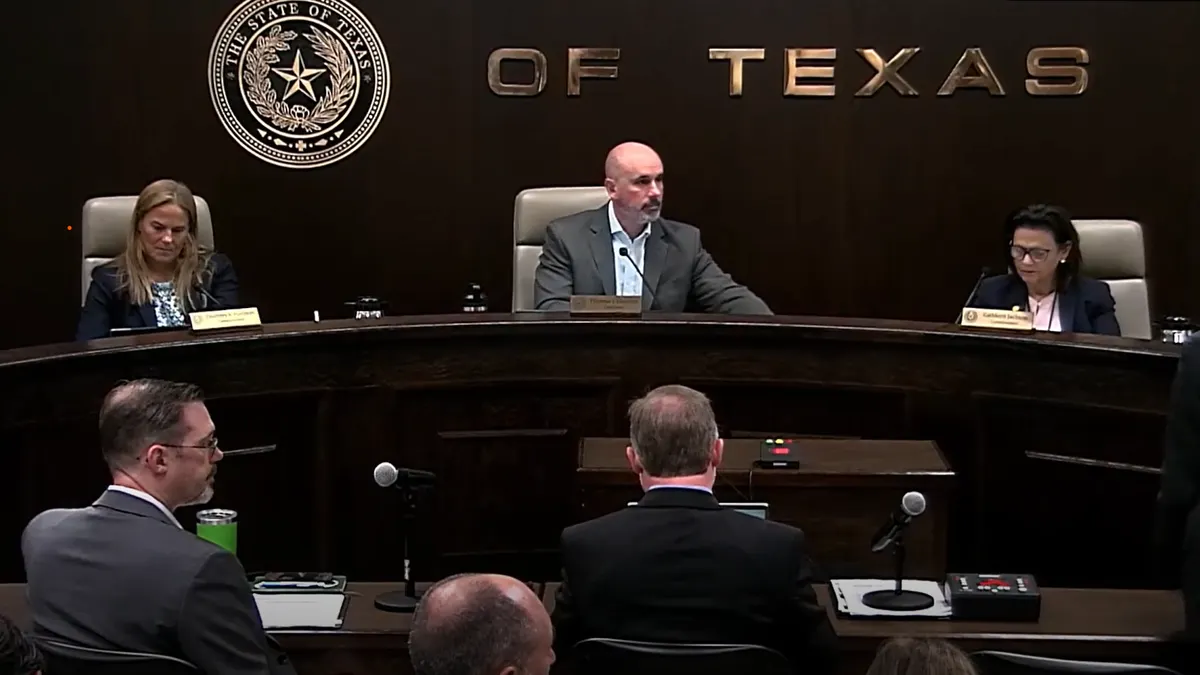
States with “D” grades scored poorly across most or all categories. Texas, for example, should assess energy storage systems based on export rather than nameplate capacity and adopt a simplified review process for inverter-based resources with export capacity greater than 25 kW, IREC and Vote Solar said.