Brandon Owens is the founder of AIxEnergy.io, a platform providing data on energy infrastructure and artificial intelligence.
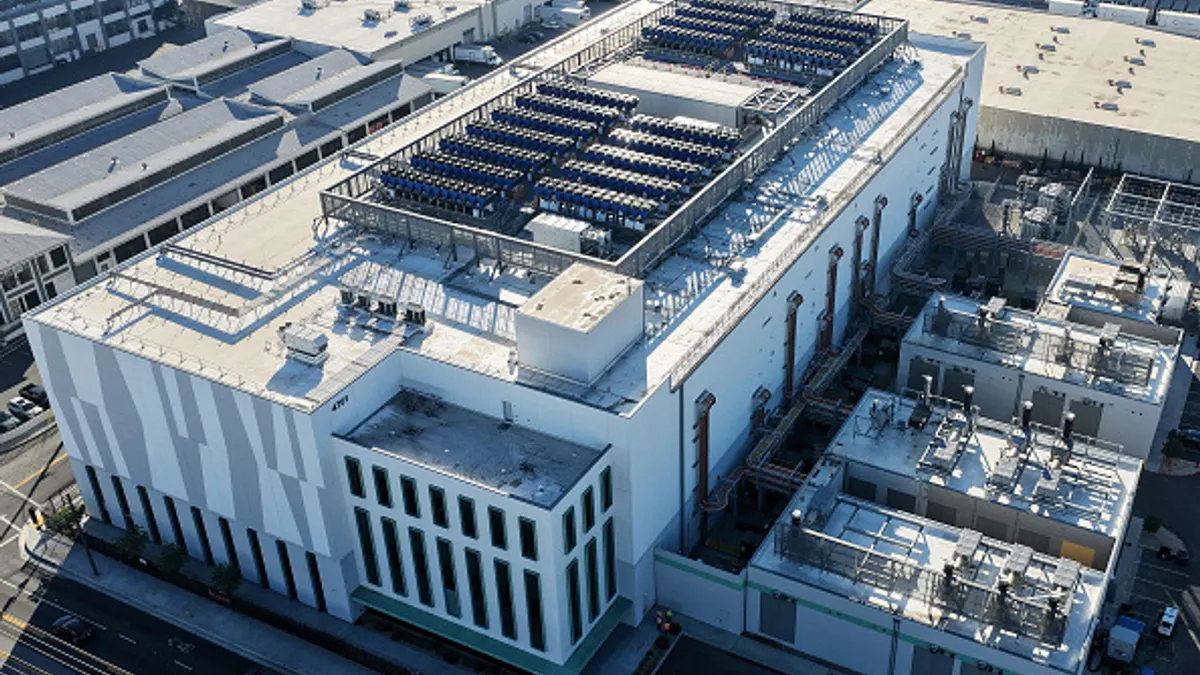
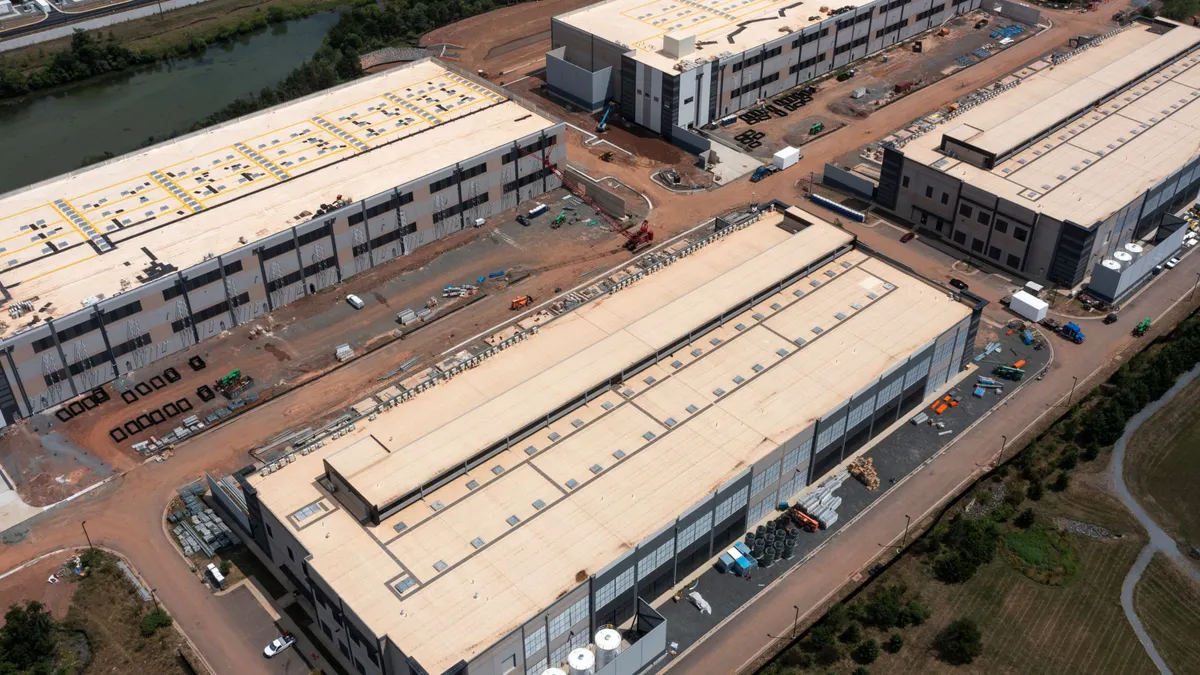
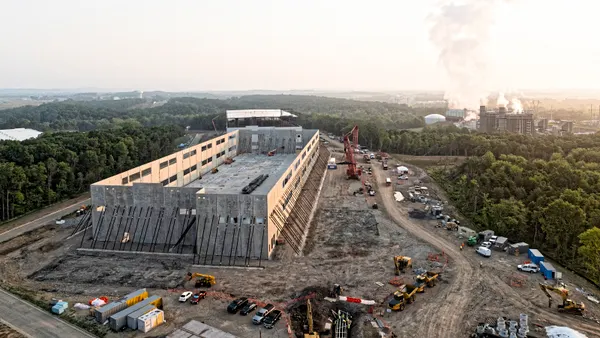
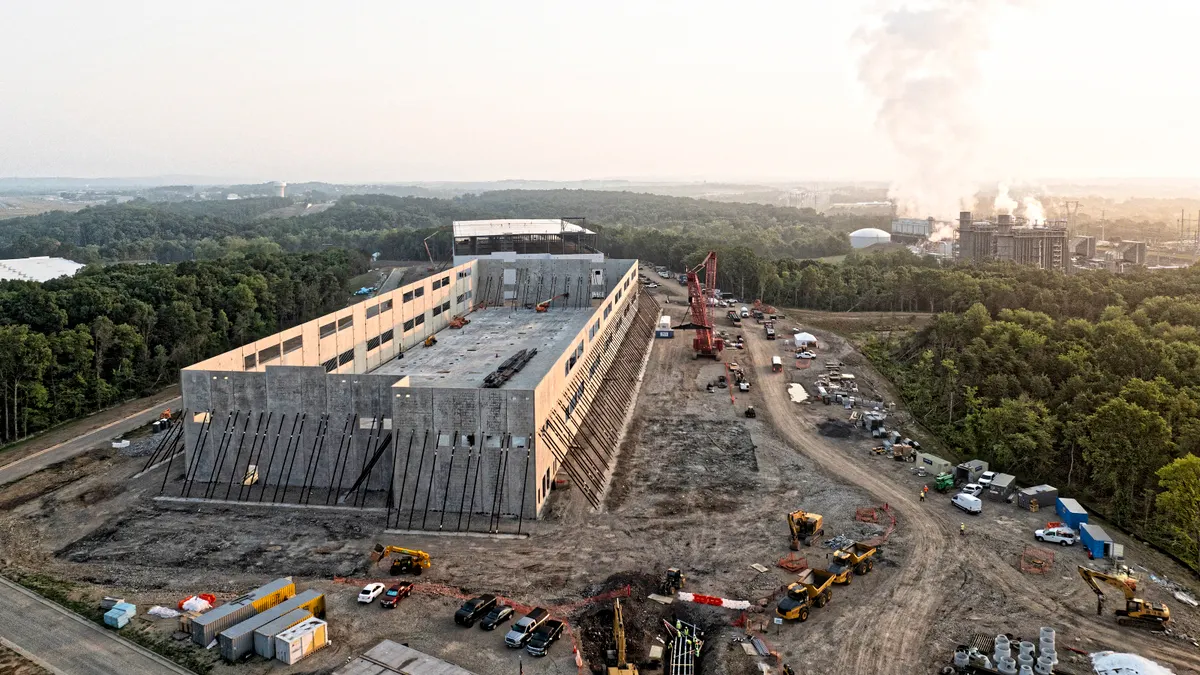
At 7:56 a.m. EDT on July 22, 2026, Ting Labs detected the beginning of a major transmission disturbance in Northern Virginia. PJM Interconnection subsequently reported that more than 3 GW of power demand — about 3% of system demand at the time — went offline as affected data centers transferred rapidly to backup power. Ting’s sensor analysis recorded a frequency rise and voltage effects across the Eastern Interconnection
Importantly, PJM said the disturbance caused no reliability impact, while Dominion Energy said operators stabilized conditions and returned the system to normal within minutes. Still, the event was noteworthy from a reliability perspective — more of a harbinger of things to come than an isolated event, and a warning about the need to act in response to the increasing risks associated with the tsunami of large loads that are being added to power systems across the globe.
The Northern Virginia large load disturbance was not the first. In fact, the Electric Reliability Council of Texas identified eight events between November 2020 and March 2023 in which faults near a large Texas Gulf Coast industrial load produced repeated demand reductions of approximately 400 MW to 700 MW. ERCOT reported system frequencies as high as approximately 60.11 Hz and said later changes to variable-frequency-drive settings and internal controls improved the facility’s ride-through performance.
On Dec. 7, 2022, multiple faults and delayed 19-cycle clearing following a breaker failure produced an approximately 1,560 MW load reduction in West Texas. Ten large power-electronic loads accounted for approximately 162 MW of the reduction; oil-and-gas production, processing, and delivery facilities accounted for about 420 MW; and 112 MW of thermal generation also tripped.
These disturbances are not confined to the U.S. grid. EirGrid and SONI documented four major data center demand reductions associated with Irish 220-kV transmission events: 74 MW on Jan. 7, 2022; 204 MW on Dec. 13, 2022; 321 MW on Jan. 26, 2025; and 387 MW on May 8, 2025.
The Irish system operators proposed Grid Code Modification MPID345, including Rate of Change of Frequency, voltage fault ride-through, and post-fault active-power-recovery requirements. Under the proposal, a facility could transfer demand to backup systems during a voltage dip but generally would have to restore at least 90% of pre-fault demand within 500 milliseconds after fault clearance and voltage recovery. The proposal remains under regulatory consideration.
These disturbances, in Virginia, ERCOT and Ireland, all point toward the need for a more comprehensive large load architecture for grid operators. The fact is, most large-load debates focus on whether enough generation and transmission can be built, when projects may energize, what financial security developers should provide, and who should pay for infrastructure upgrades. Those questions address only whether the system can connect and serve the load — not how that load behaves once it is operating.
A data center may procure generation, fund network upgrades, and satisfy applicable capacity and interconnection obligations while still presenting a poorly modeled common-mode transfer risk during a disturbance.
What might such a large load operating architecture look like?
A credible operating regime should: (1) identify the largest plausible simultaneous demand reduction at both facility and electrical-cluster levels; (2) establish performance-based voltage and frequency ride-through requirements; (3) require verified as-built models of information-technology loads, cooling systems, uninterruptible power supplies, protection settings, backup generation, transfer logic, and reconnection timing; (4) provide grid operators with timely telemetry on real and reactive power, voltage, transfer status, and expected restoration behavior; (5) specify notification, ramping, restoration, and battery-recharging procedures; and (6) preserve a shared forensic record after material events.
Of course, where a facility’s size, concentration, or control behavior creates a need for additional instrumentation, reactive support, reserves, or protection changes, costs should be assigned according to applicable cost-causation principles. North American reliability authorities are beginning to move in this direction.
NERC’s May 2026 Level 3 Alert calls for improved computational-load modeling, studies, instrumentation, commissioning, operational coordination, protection, and control, but it is not itself an enforceable Reliability Standard. In July, the FERC directed NERC to develop new or modified computational-load reliability standards and registration criteria, with filings due by Dec. 31, 2026.
For most of the power industry’s history, reliability planning has concentrated on the sudden loss of supply. The computational era is creating its mirror image: the sudden loss — and return — of demand. The next major contingency may not begin with the trip of a power plant or transmission line. It may begin behind the meter, through thousands of power-electronic devices responding simultaneously to the same disturbance, each protecting its own facility exactly as designed.