Dive Brief:
- California’s nation-leading virtual power plant program faces an uncertain fate after this year. The biennial budget revision released by Democratic Gov. Gavin Newsom earlier this month zeroes out funding for the Demand Side Grid Support program in 2027.
- Newsom has proposed shifting customers enrolled as of this summer in the DSGS program to the Emergency Load Reduction Program, or ELRP, a separate state program designed to mitigate periods of acute stress on the grid. The move came after the state legislature zeroed out funding for DSGS last summer amid projections of a severe budget shortfall.
- Clean energy nonprofits, distributed energy providers and demand response aggregators have been pushing Newsom to rethink the plan. More than a dozen signed on to a March 25 letter that called the proposal “detrimental to the state’s energy reliability” and said “attempting to re-create the same type of program at another agency” would expend public resources and cause delays with no guarantee of success.
Dive Insight:
DSGS is one of the United States’ largest consumer demand response programs, and it has grown rapidly since its launch by the California Energy Commission in 2022. During organized test events last July, its aggregated distributed energy resources dispatched more than 539 MW of average output over two hours.
In a February trailer bill, Newsom proposed using funds from an expiring school energy efficiency program to keep DSGS running through the end of 2026. In 2027, the DSGS program would cease to exist as currently structured, though a successor program operated by the California Public Utilities Commission could eventually take its place.
In the meantime, existing DSGS customers would transfer to the ELRP program, which the CPUC launched in 2021 and is now overseen by Pacific Gas & Electric, San Diego Gas & Electric and Southern California Edison — the state’s three largest investor-owned utilities.
Advanced Energy United, one of the signatories on the March 25 letter, said last week that the change would be “a significant setback for the state’s clean energy leadership” and would call into question California’s “commitment to delivering a modern, flexible and affordable energy system.”
A 2025 Brattle Group study commissioned by Tesla and Sunrun, the biggest DSGS participants, said the program could produce up to $206 million in net system savings if allowed to run through 2028.
Brandon Garcia, California director for Advanced Energy United, said in a statement that his group appreciates the proposed 2026 funding but worries about shifting to a utility-run framework.
“We have serious concerns about transferring the program to the CPUC due to the higher administration costs and lower enrollment capacity,” Garcia said.
In an email to Utility Dive, Garcia said DSGS was critical not only for reliability but for addressing what he called an “affordability crisis” in California. The Golden State has one of the highest average retail electricity rates in the country, driven by an array of factors including wildfire mitigation and transmission and distribution infrastructure investment.
Distributed energy resources “have the potential to expand capacity without saddling ratepayers with high infrastructure costs,” he said. “We need to seriously address the affordability crisis, and part of that means modernizing our approach to procuring power.”
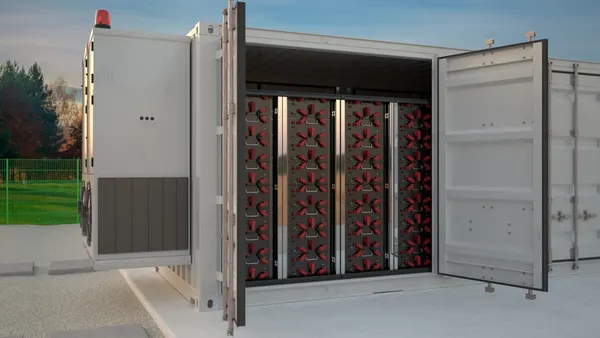
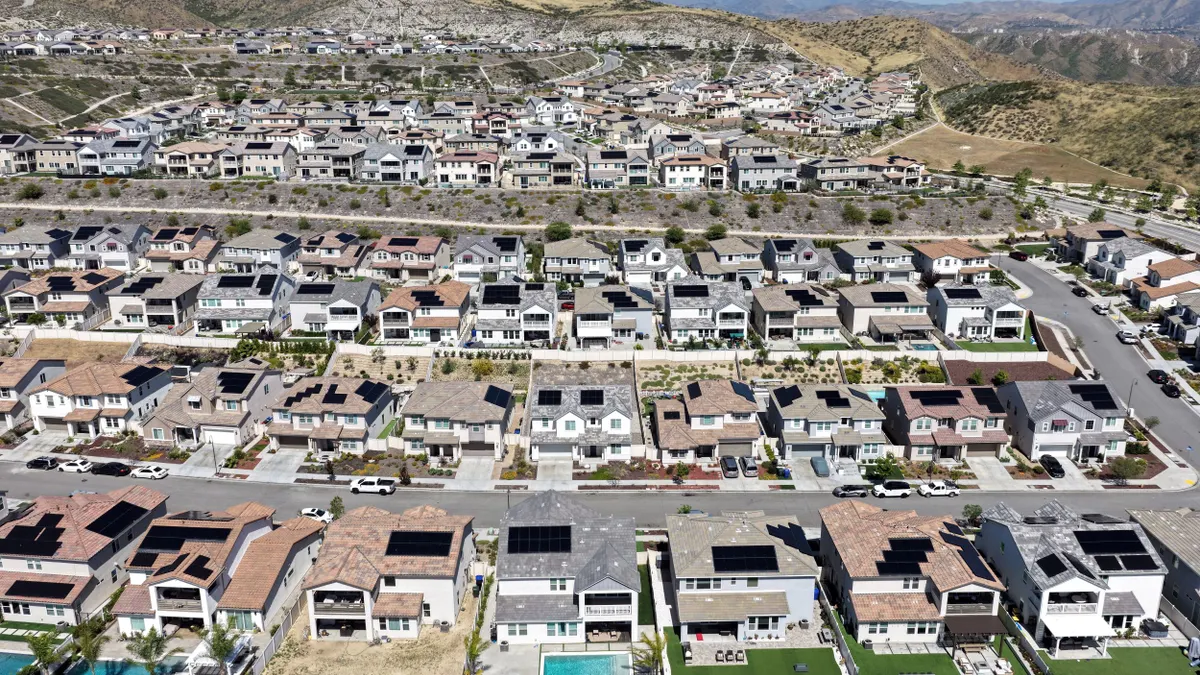
DSGS relies heavily on residential battery energy storage systems, whose popularity soared in California after the CPUC reduced net metering compensation for solar-only customers three years ago. About 2% of California customers had onsite batteries last year, and total behind-the-meter storage capacity could double to nearly 4 GW over the next 10 years, according to the Brattle report.
Unlike DSGS, which called upon enrolled assets 16 times during the summer of 2024, ELRP is a “last resort” to be used when the California Independent System Operator declares a grid emergency, CPUC says. Residential participants receive $1/kWh and nonresidential participants receive $2/kWh of incremental load reduction after each event.
Newsom’s latest state budget revision is not the final word on DSGS. California’s fiscal year begins on July 1, and the 2027-28 package is subject to revision until then, according to a “general schedule” published by the California Department of Finance.
Advanced Energy United “hopes to work with the legislature and the Governor’s office to ensure funding in the final budget and stability for the program in 2027-28,” the group said last week.