Andrii Garanin is chief energy and infrastructure officer at Silicon Foundation.
Following events where more than 1,000 MW of computational load unexpectedly dropped off the bulk power system, the North American Electric Reliability Corporation in May published a rare Level 3 Essential Actions warning. That sudden loss exposed a critical structural gap in how we manage modern energy infrastructure.

Federal Energy Regulatory Commission Chair Laura Swett recently highlighted that hyperscalers lack basic “aptitude” regarding utility operations. But framing this solely as a competence problem on the tech side misses the real root of the crisis. Data center operators are highly capable of managing complex physical infrastructure in real time.
The actual disconnect is that the grid’s financial, contractual and settlement layers are still stuck in the past, struggling to keep pace with the speed of modern compute.
Regulators and grid operators are making decisions involving billions of dollars and gigawatts of power based on paper commitments.
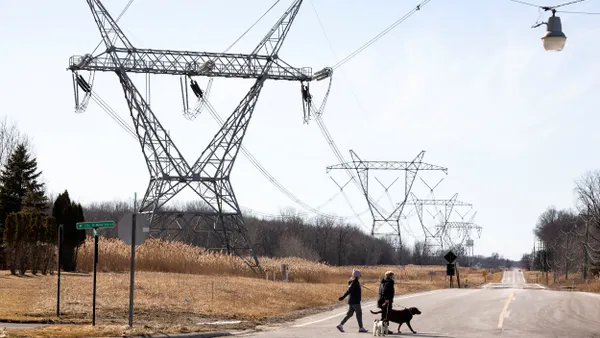
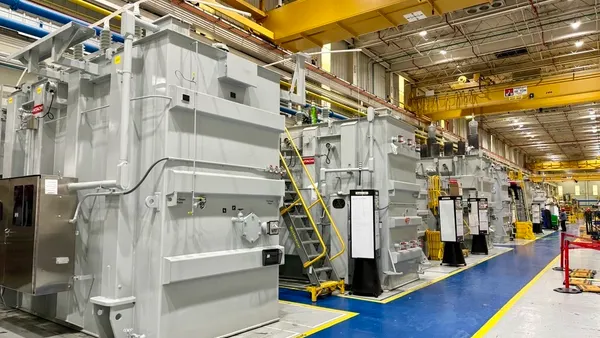
The U.S. power grid is hitting a physical ceiling. Independent system operators like PJM anticipate a 15 GW capacity shortfall by 2030, and utilities like Eversource are openly resisting large new loads. With traditional grid expansion struggling to keep up with demand, the national interconnection queue now stands at over 2.2 TW of projects.
To navigate delays that can stretch from 36 to 48 months, developers are securing grid access by integrating flexibility commitments directly into their interconnection negotiations. Proposed frameworks like PJM’s Non-Capacity-Backed-Load mechanism would let facilities connect without waiting for new generation in exchange for agreeing to curtail load during periods of grid stress.
Utilities are motivated to accept these terms because building new physical infrastructure is enormously expensive. On paper, these flexibility agreements serve as a viable substitute for real capacity, making the projects attractive to regulators.
Flexibility has become a near-mandatory condition for connection in a congested market. Yet for these commitments to scale and act as a reliable grid asset, they must be backed by rigorous performance verification and settlement mechanisms.
Monthly settlements cannot capture millisecond realities
I have spent the last several years building the software and control layer that lets energy assets participate in flexibility markets, integrating the systems that asset operators and the virtual power plants monetizing that flexibility rely on to execute dispatch.
From that vantage point, the mismatch is impossible to miss. Grid stability depends on physical actions taken in seconds and milliseconds, and the dispatch layer already operates at that speed. The settlement layer does not. A fundamental mismatch exists in our current verification model. An operational event might be visible on a facility monitor instantly, but the financial consequences of that event are not settled at the same speed. Determining whether a facility missed a flexibility commitment, calculating the appropriate penalty, and reflecting it in market settlements still depends heavily on post-event reconciliation.
Grid operators often only finalize the financial reality of a flexibility failure 30 days later, during the monthly settlement cycle. A delayed spreadsheet may accurately document what happened last month, but it cannot provide financial accountability today.
AI training loads amplify this risk. Their power draw creates sharp, unpredictable bursts in consumption, allowing an AI facility to swing hundreds of megawatts in moments. We are attempting to regulate financial compliance at the speed of months while the physical infrastructure operates at the speed of seconds.
Operators already possess the telemetry and the capability to manage dynamic loads. The risk emerges when flexibility commitments remain rooted in trust rather than verifiable performance. When financial settlement remains uncertain, grid operators are forced to operate defensively. System planners apply highly conservative assumptions, procuring excess physical generation to maintain reserve margins just in case the flexible load fails to materialize.
In the long run, this makes interconnection planning, reserve margin calculations and infrastructure financing highly inefficient. The cost of unverified flexibility does not disappear; it simply reappears as higher risk premiums and delayed settlements between counterparties.
The case for standardized performance verification
The industry must transition away from delayed reporting and move toward standardized performance verification that transforms existing operational data into independently verifiable financial records.
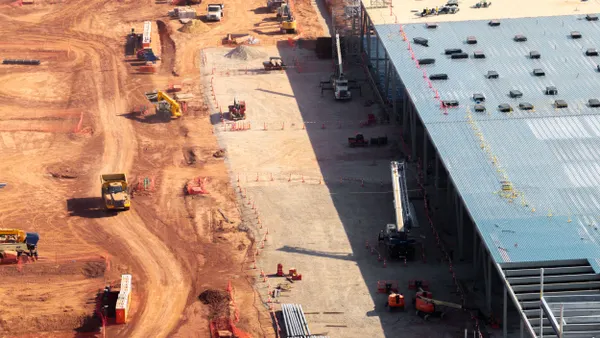
With Big Tech allocating hundreds of billions of dollars toward AI and data center expansion, the volume of infrastructure being deployed demands absolute transparency. Financial obligations must be tied directly to verified, real-time behavior.
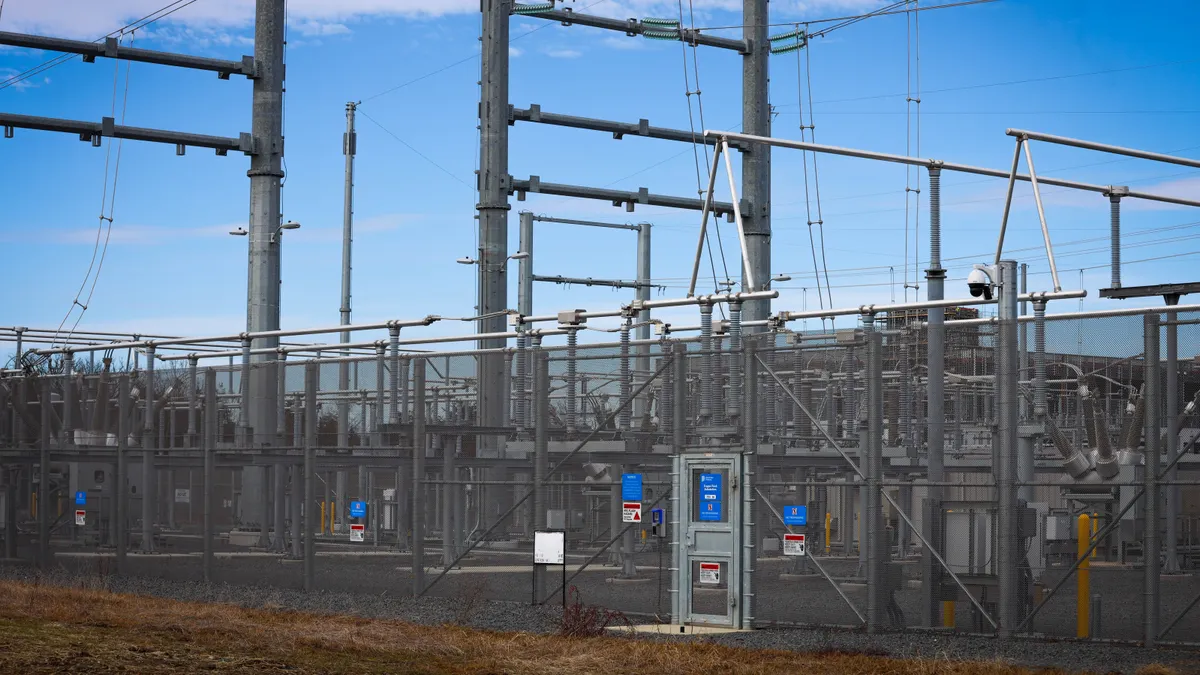
Creating standardized reporting frameworks based on existing facility data is the practical next step. Data centers already collect the necessary operational information through SCADA systems, meters, and cooling sensors. Operators must make this raw data timestamped, tamper-evident, and verifiable by third parties in real time.
The building blocks for machine-verifiable settlement infrastructure already exist; what the market lacks is the shared standard that turns real-time operational data into financial records every counterparty can trust.
The market is currently on a fragmented trajectory where every Power Purchase Agreement invents its own bespoke verification mechanism. This patchwork approach will not scale across thousands of megawatts of incoming computational load. The technology for continuous monitoring already exists today. Regulators, independent system operators, and financial institutions simply lack the market-level standard required to enforce it.
The NERC Long-Term Reliability Assessment forecasts a 24% increase in summer peak demand over the next ten years, driven largely by new data centers. The grid cannot sustain gigawatts of new demand while performance verification remains trapped in archaic reporting cycles.
The next phase of AI infrastructure growth must be built on a foundation of verifiable, machine-native flexibility. The opportunity ahead is to build a robust compliance standard that allows compute infrastructure, utilities, regulators, and capital markets to trust the exact same performance data. The window to establish this is closing rapidly.