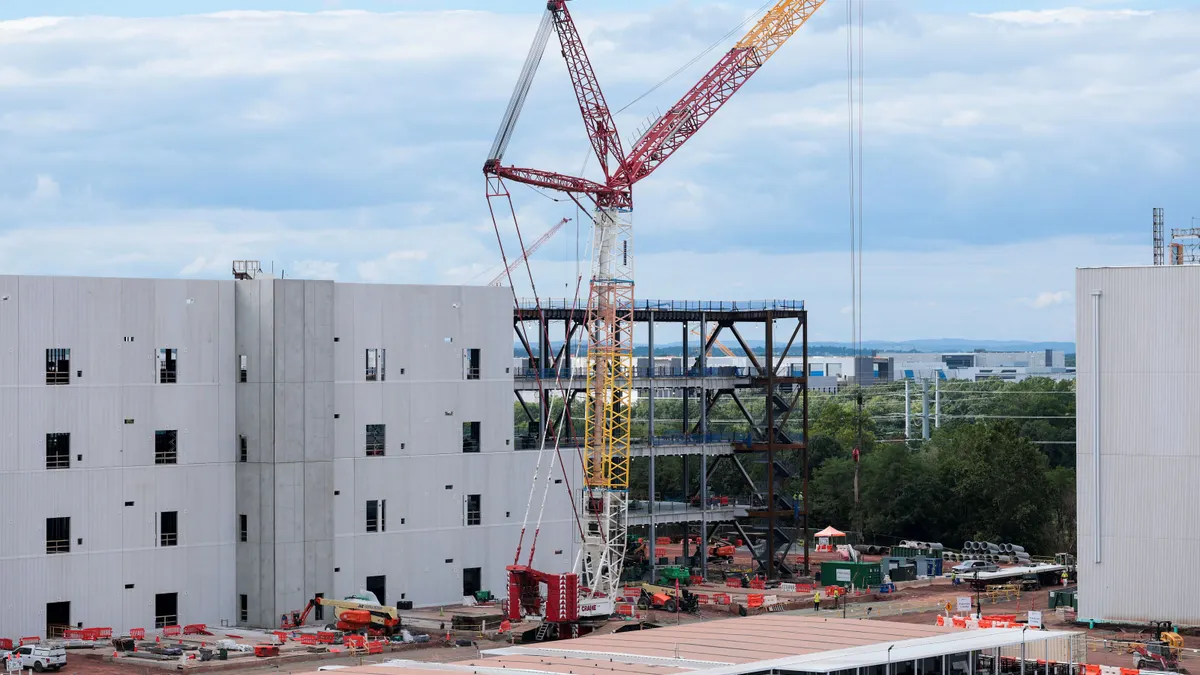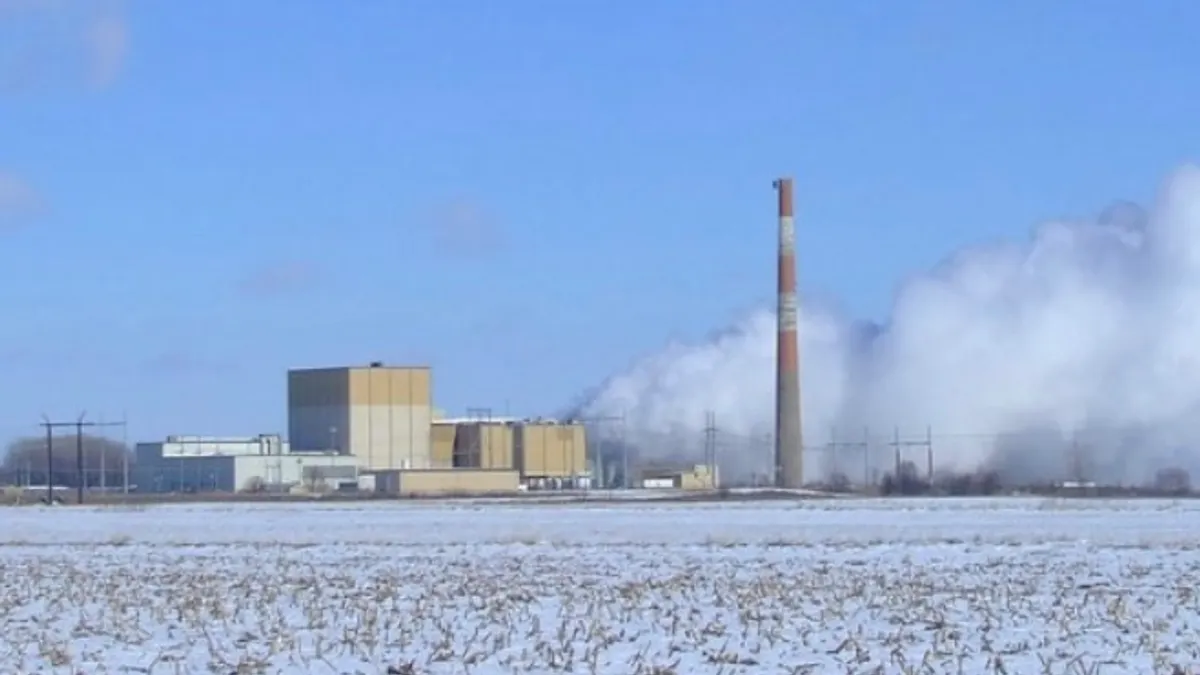
The U.S. Department of Energy has closed on a $1.9 billion loan to NextEra Energy to support the restart of the 615-MW Duane Arnold nuclear facility in Linn County, Iowa, the agency announced Tuesday.
Google will be the primary customer of a revived Duane Arnold and will use the output to help power its growing cloud and AI infrastructure in Iowa, NextEra said in October.
In response to emailed questions from Utility Dive, a DOE spokesperson said the loan will be repaid with interest to the U.S. taxpayer.
"Thanks to President Trump’s Ratepayer Protection Pledge, hyperscalers, not taxpayers, are paying for the new power generation," they said. "This project will lower electricity costs, deliver reliable baseload power to the local grid and create thousands of jobs."
NextEra’s plan targets a 2029 restart; Duane Arnold ceased operations in 2020 following a damaging wind storm, though its retirement was already planned due to cost pressures. Bringing the facility back online could generate more than $9 billion in economic benefits for Iowa over 25 years, a study by Strategic Economic Research concluded.
The project "is about delivering new power to meet new demand,” NextEra Chairman, President and CEO John Ketchum said in a statement. "It shows how America can support rapid economic growth and rising electricity demand while helping keep power affordable for existing customers.”
Through its NextEra Energy Resources subsidiary, the company has a total development backlog of 35.1 GW and a base case goal of securing 15 GW of new generation to serve large load by 2035, officials said during a second-quarter earnings call in July.
There is growing interest in nuclear generation to meet data center electricity demand, including restarting older plants. Constellation Energy is working to restart the 835-MW Crane nuclear power plant, formerly known as Three Mile Island Unit 1, in an effort expected to cost about $1.6 billion.
DOE said its loan program has now financed three nuclear plant restarts and completed four concurrent conditional commitments and financial closings under the Trump administration, “moving capital quickly to bring more American energy online.”
NextEra is attempting to acquire Dominion Energy in an all-stock transaction that could see the combined company’s large load pipeline balloon to 130 GW. Political concern over the deal has been increasing, amid concerns it could raise prices or degrade service for households. With 10 million customers across four states, the merger could create the largest regulated electric utility in the world.
Update: This story has been updated with additional comments from the DOE.