Katherine García is director of the Clean Transportation for All campaign at Sierra Club.
Everything in the United States has become more expensive. That’s not exactly breaking news, but it is a reality that hurts.
Families and businesses are feeling the strain and Washington is taking us in the wrong direction. Since President Donald Trump took office nearly two years ago, his administration's policies have driven up the cost of household items, groceries, health insurance, utility bills and gasoline, while reducing access to more affordable options.

Just look at Trump’s attacks on renewable energy. He has stopped work on major wind and solar projects that produce affordable electricity and canceled tax credits for residential solar, limiting the solutions that would actually bring energy costs down.
And it gets worse. Transportation is one of the biggest expenses for households, and instead of making it easier for families to choose cleaner, lower-cost ways to get around, the administration is blocking policies that would reduce those costs.
One of the clearest examples is the administration’s misguided obsession with stalling the transition to electric vehicles — limiting access to vehicles that can save drivers thousands of dollars on fuel and maintenance.
From illegally freezing billions in funding for charging infrastructure to eliminating EV tax credits, the Trump administration is responsible for making it more challenging to drive cleaner cars in the U.S.
Gas prices are still elevated, largely due to Trump’s war of choice in Iran. The national average for a gallon of regular gasoline remained above $4 for the entire month of August, according to AAA, and has risen higher since.
In nearly every state, EV drivers are spending substantially less to charge their vehicles than they would to fill up gas-powered cars. The Washington Post has released a tool showing how much cheaper it is to drive an EV state by state.
Americans are hurting right now. People are having to make extremely difficult choices on whether to buy groceries or fill up their tank. With gas prices surging, EVs — especially used EVs — can offer an affordable solution. But the Trump administration’s agenda is focused on blocking the path to cleaner cars.
Until last year, consumers could qualify for a federal EV incentive of up to $7,500. But in the same legislation that took away food assistance for millions of Americans and gave massive handouts to the coal, oil and gas industries, President Trump also killed off tax credits for new and used EVs.
That made owning a car that isn’t subject to the volatility of gas prices out of reach for many Americans. President Trump has also repeatedly weakened the standards that would have expanded the availability of plug-in hybrids or EVs.
Luckily, some states are strengthening their incentive programs for new and used EVs to fill the gap from the federal rebates that were lost. Their efforts can provide a roadmap for other states looking to help residents save on transportation.
California announced the MyFirstEV program this summer, which provides an instant rebate to drivers who haven’t purchased or leased an EV before. This criteria is meant to maximize funds since research shows that people who drive EVs don’t go back to driving a gas-powered car. This program is funded through a partnership with the state and 13 automakers and could serve as an innovative model for other states.
Colorado expanded its Vehicle Exchange Colorado program after the loss of the federal rebates. Eligible Coloradans can receive up to $15,000 off the cost of a new EV with the state incentives alone. To support residents who are curious about EVs, Colorado set up ReCharge Coaches to provide helpful education and increase participation for EV incentive programs.
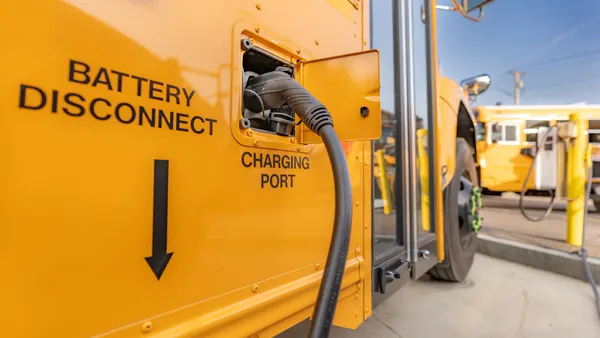
Favorable financing options are another opportunity for making EVs more affordable for drivers. Express Credit Union in Washington State offers loans that are lower than market-rate to purchase new or used EVs.
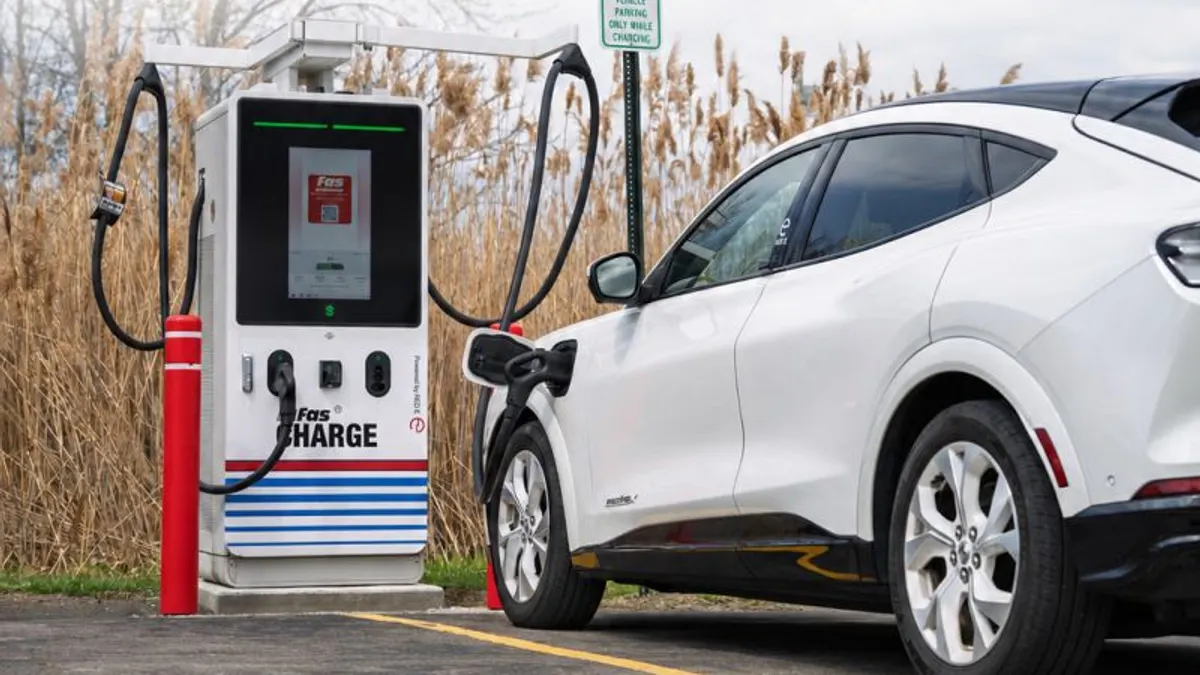
States have also established programs to support installing EV chargers. Delaware’s Electric Vehicle Charging Equipment Rebate Program covers a substantial portion of the cost to install chargers at apartments and condos, office buildings, businesses and other public places.
Sierra Club’s AchiEVe toolkit includes many more examples of the state incentives and financing opportunities that are helping drivers make the switch to EVs across the country.
We’re also pushing the auto industry to renew their EV commitments and ramp up production. Automakers must continue to invest in EV manufacturing and offer a range of more affordable EVs at scale. This is exactly the right time for states and automakers to be working together to help make driving EVs more accessible.
Affordable EVs are available in some states. If more state leaders choose to stand up to the Trump administration, they can also expand EV access for their residents. But for nationwide progress, Trump needs to stop sabotaging EVs. Otherwise, American families will be forced to continue to pay the price of Trump’s costly agenda.