Vistra Corp. is in favor of the pause on data center development in Texas pending an audit of the projects in the Electric Reliability Council of Texas interconnection queue, said company executives during a Friday earnings call.
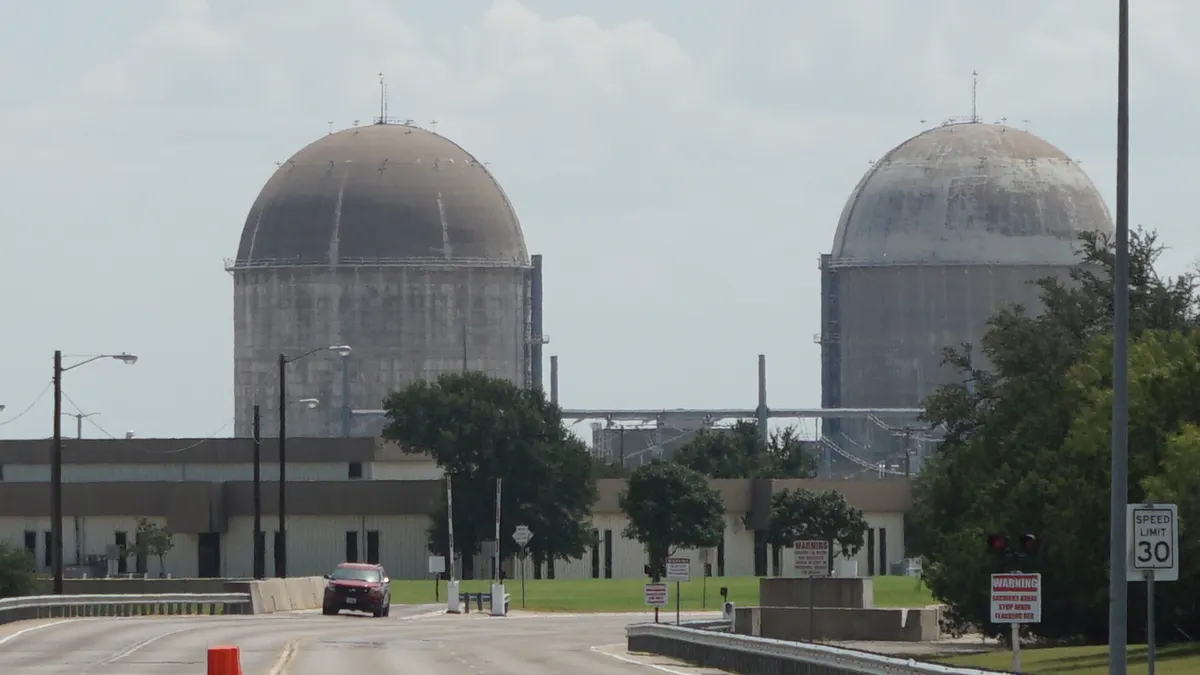
They doubt it will affect a 1.2-GW deal to serve an Amazon data center from Vistra’s Comanche Peak nuclear plant, they said.
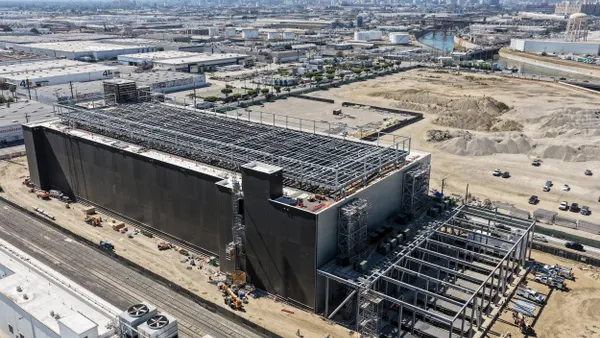
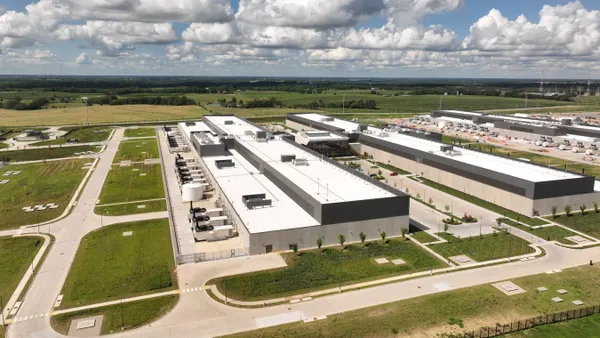
The 2.4 GW Comanche Peak is set to begin delivering power to Amazon in 2027 under a 20-year power purchase agreement the two companies reached last year, and Amazon is building a $5 billion data center project near the nuclear plant.
“We don't see [Comanche Peak] being affected at this point, and we support the conversation that the governor is wanting to have with the data center community to make sure that Texas does this right,” said CEO Jim Burke during the call.
Burke added that he thinks “baseload projects, because they've been studied, you'd expect those to be moving forward,” and “we haven't gotten any signals that folks in Austin see the baseload projects at this point as being materially off on time frame.” The Amazon data center is still on track to energize next year, he said.
“This load that we expect to hook up, we expect it to hook up in the [2027, 2028] time frame,” he said. “So 2026 [wholesale power prices] being soft is not that big of a surprise to us. That's also why we do the comprehensive hedging that we do. I'd like to see the queues culled, at the end of the day.”
Vistra CFO Kris Moldovan said the company’s second-quarter adjusted EBITDA rose 30% year-over-year to reach $1.767 billion and attributed this to “contributions across both our generation and retail segments, reflecting the benefits of our integrated business model and comprehensive hedging program.”
Vistra’s generation business delivered around $994 million of adjusted EBITDA in Q2, compared to around $593 million in the same quarter last year. Moldovan attributed the improvement primarily to “favorable hedging activity, resulting in the company's average realized prices being approximately 5% higher on a per megawatt hour basis compared to the same quarter last year.”
Vistra’s Chief Strategy & Sustainability Officer Stacey Doré said during the call that the company is in discussions across “multiple sites” in both the PJM Interconnection and ERCOT, “both about our existing resources as well as new build, and both markets have their own share of regulatory uncertainty and things in flux… We continue to feel very optimistic about our opportunities in both PJM and ERCOT.”
Customers want more clarity, Doré said, and “as we move along, we're getting more clarity… We're also supportive of Governor Abbott's attempt to thin the queue and ensure responsible development.” At the same time, she said, “customers don’t need perfect clarity in order to contract.”
Vistra’s anticipated load growth in ERCOT decreased from the first quarter, with Burke saying the company now expects 4% to 6% annual load growth in the region, instead of 5% to 6%.
Burke noted that “while data centers will be an important driver of load, particularly in 2028 and beyond, we believe a significant component of this growth is from sources other than data centers. This includes industrial reshoring, increasing electrification, population growth — particularly in Texas — and broader economic expansion.”
Doré said the company is seeing a “robust customer appetite for both energy and capacity” from large load developers, who “need both … and they see a rising price environment, so they have interest in locking in some cost from that.”
“I wouldn’t say that we’ve seen a big increase in appetite for energy-only deals,” she said. “Although, of course, we're open to whatever conversations customers want to have. But the conversations we're in, they're still interested in contracting for energy and capacity.”
Burke said during the call that Vistra has been “very active on many fronts related to the regulatory process and advocacy in our key markets,” and “while there is still more to finalize, overall, we are encouraged by the direction of travel.”
Doré later expanded on this, saying the company is seeing “a lot of progress at [the Federal Energy Regulatory Commission]” and were “very pleased with FERC's colocation order that came out in June.”
“They have made it crystal clear that PJM and the transmission owners need to accommodate colocation, they need to adopt these new transmission services that do so, and they've given PJM very clear instructions about amending the tariff to do so,” she said.
Vistra also received FERC approval of its pending Cogentrix Energy acquisition on Aug. 5.