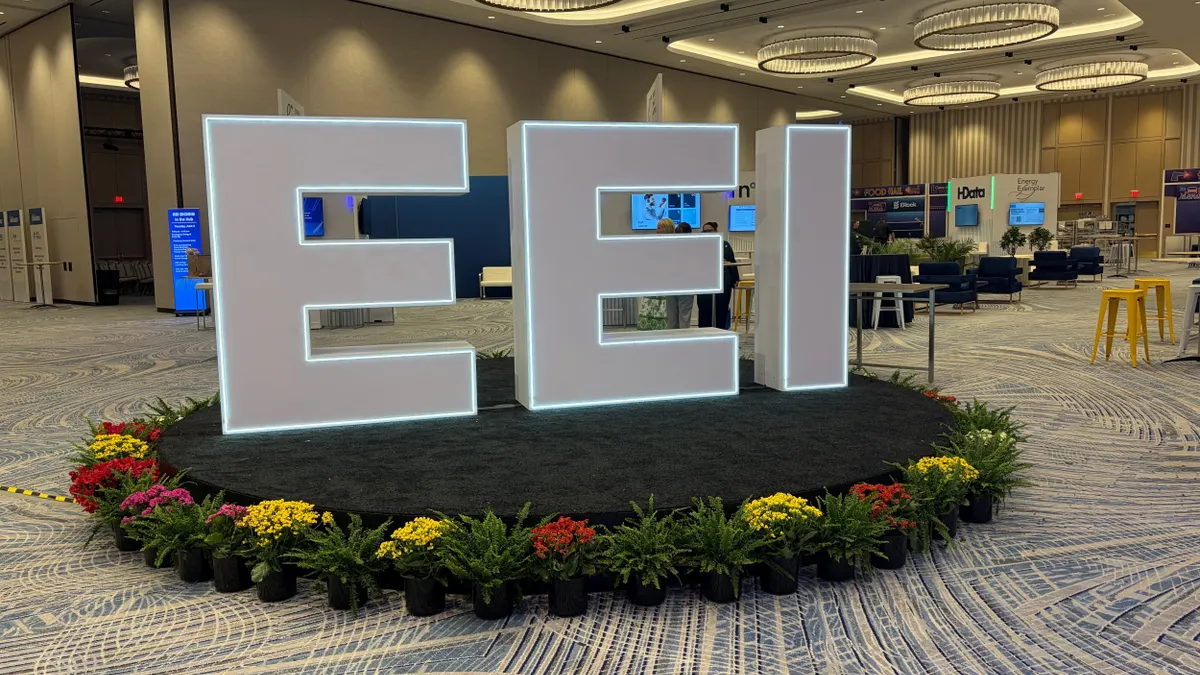
The Edison Electric Institute is kicking off EEI 2026 in Las Vegas today as the electric power industry reckons with unprecedented load growth as well as technological advancements, regulatory pressures and a massive capital spend.
Utility Dive caught up with some early birds at the Fontainebleu Las Vegas before the conference started to hear about what brought them to the event and how the many changes affecting the sector are impacting their work.
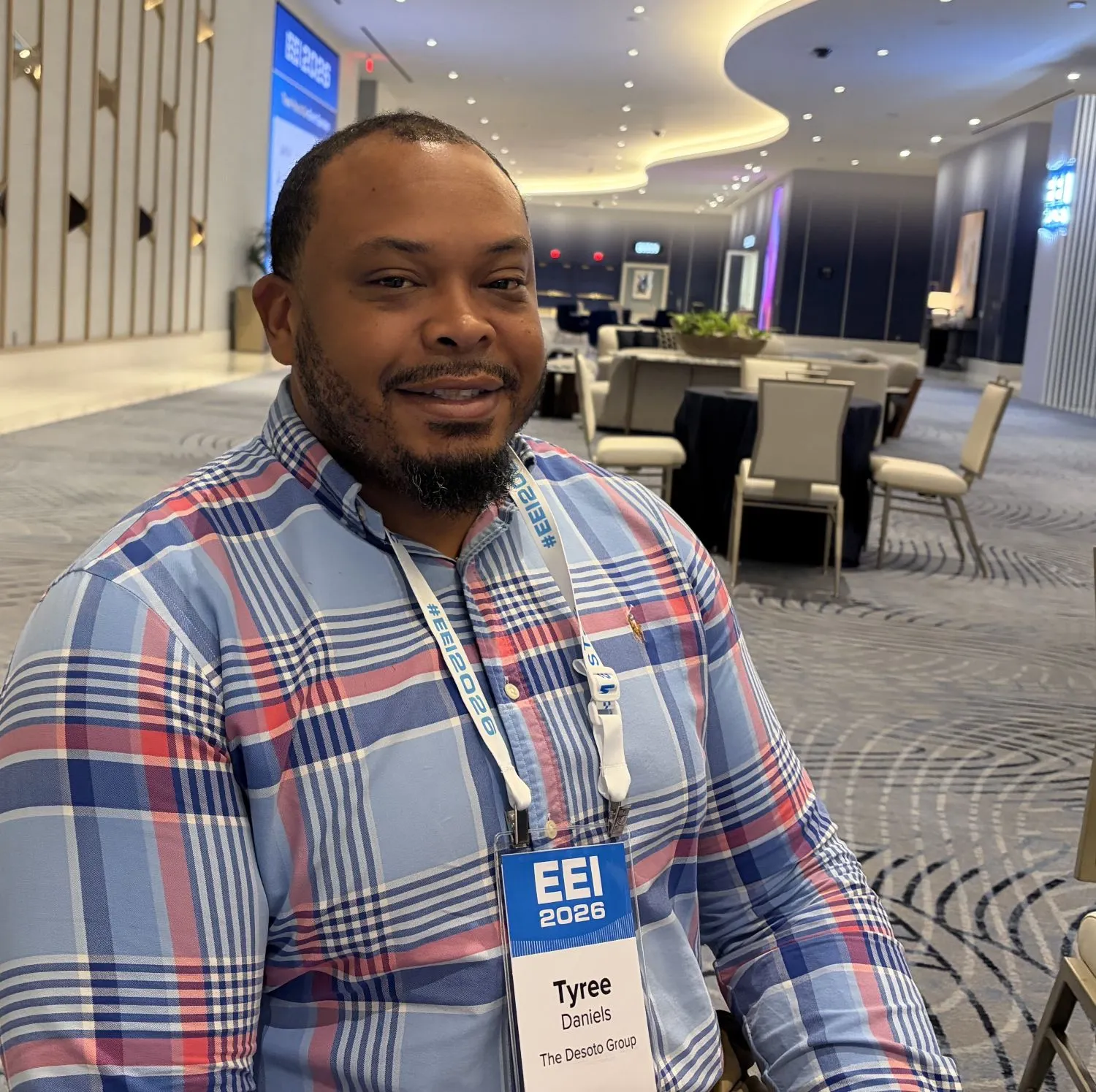
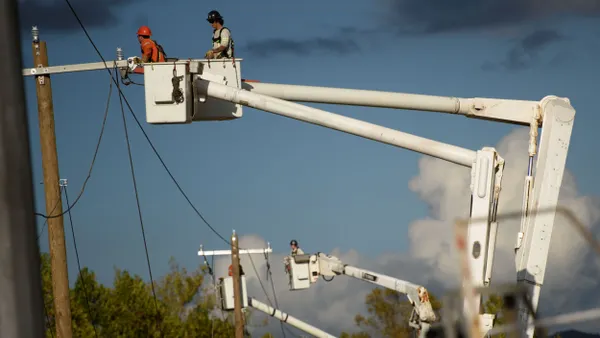
Tyree Daniels, vice president of electric construction for The Desoto Group, said he was the third generation in his family to become a lineman. Today he oversees major construction projects across the country.
One of the biggest challenges his company faces is finding enough labor to meet the surging demand for power infrastructure, Daniels said. Many young people are opting for remote jobs they can do from home, he said, and it takes a certain kind of person to do work that can be dangerous and take them away from home for weeks at a time.
“You’re really not having enough time to train the people as fast as you need to, honestly, just because the growth is coming so fast,” he said.
But power infrastructure construction offers a six-figure salary without a college degree, he noted. For many people, “once they get it figured out, they love it.”
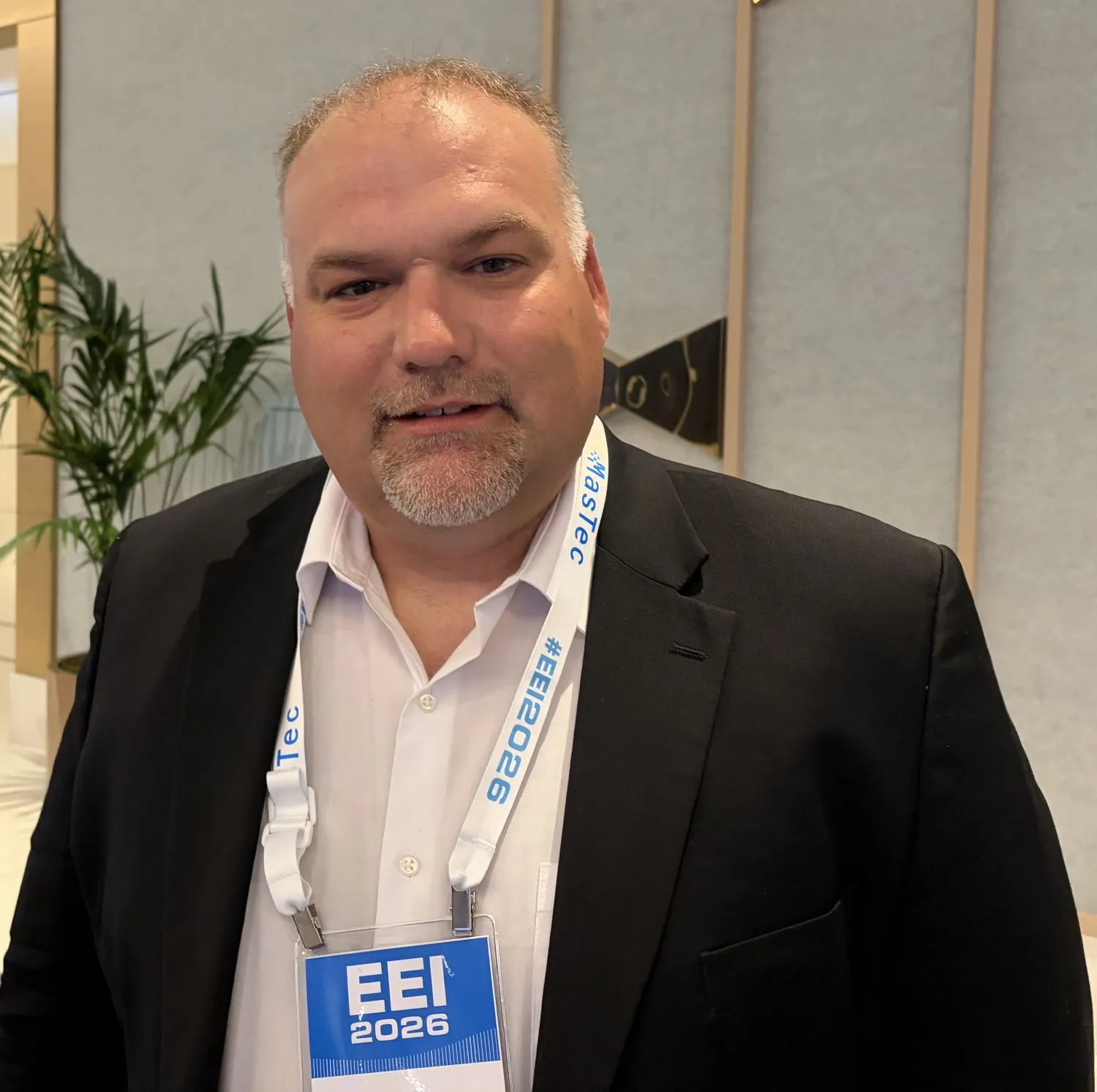
Josh Skelton, vice president of Allete and COO of Minnesota Power, said affordability and load growth are the two dominant themes playing out in the utility sector right now.
“Affordability is not new news for utilities,” Skelton said. “I think it’s just more of an emphasis, with all the change all at once, on making sure that you don’t take your eye off the ball, and trying to deliver through all of those hurdles, whether it’s load growth or the energy transition or modernization, aging infrastructure — all of that coming at the same time.”
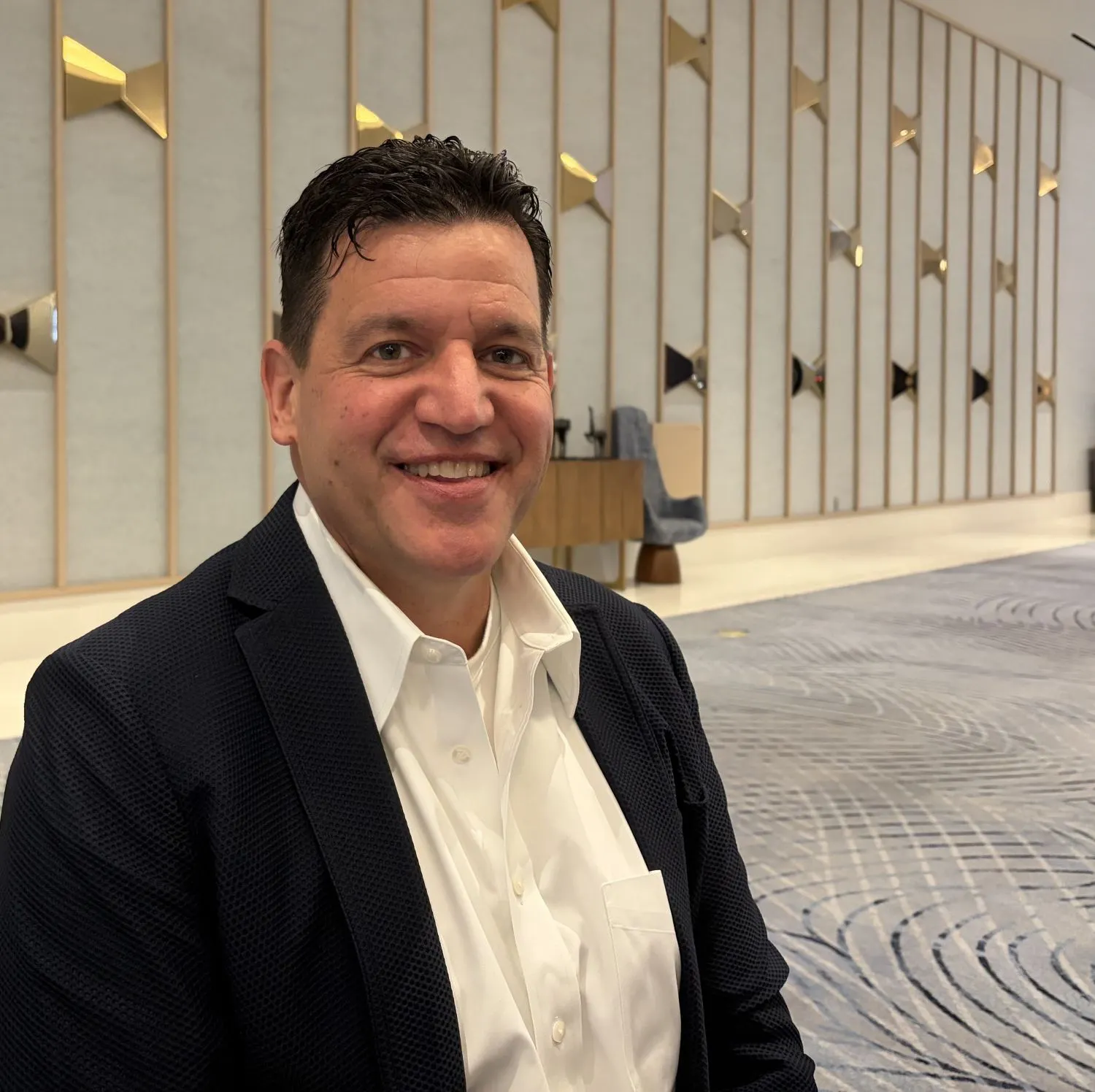
Joe Berti, CEO of Gigawatt, said he hopes to connect with utility executives to discuss his company’s software product, which he describes as an AI-native stack for utility enterprise operations that can compete with SAP and Oracle.
He said he’s hearing a mix of excitement from energy leaders who see the potential for AI-enabled productivity gains, but also concern about the security of these tools.
“The regulatory side is preventing CEOs from fixing the core,” he lamented. “The reason for it is, let’s say, they spend a billion dollars on Oracle, they depreciate that over 10 years of capital, and if they decide to replace it, they have to take it as a current-year hit.”
If a utility is only a few years into a 10-year cycle, he said, “They may just sit on it and not actually fix it, and the end result is high rates for customers and really horrible customer service.”