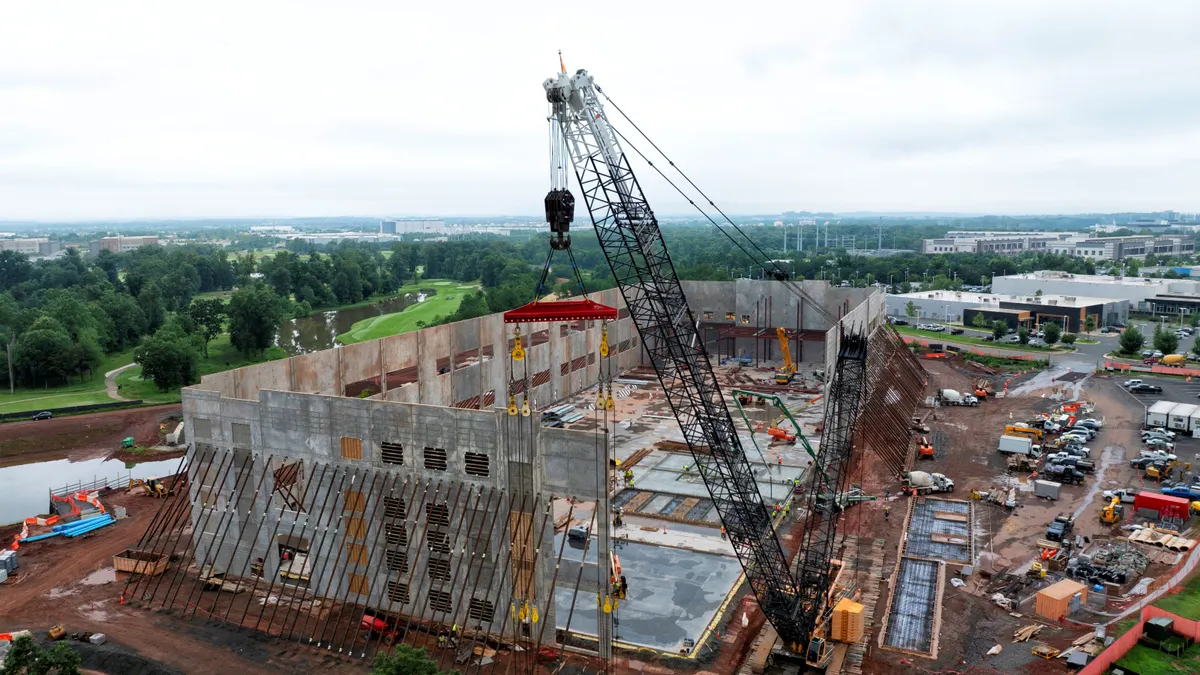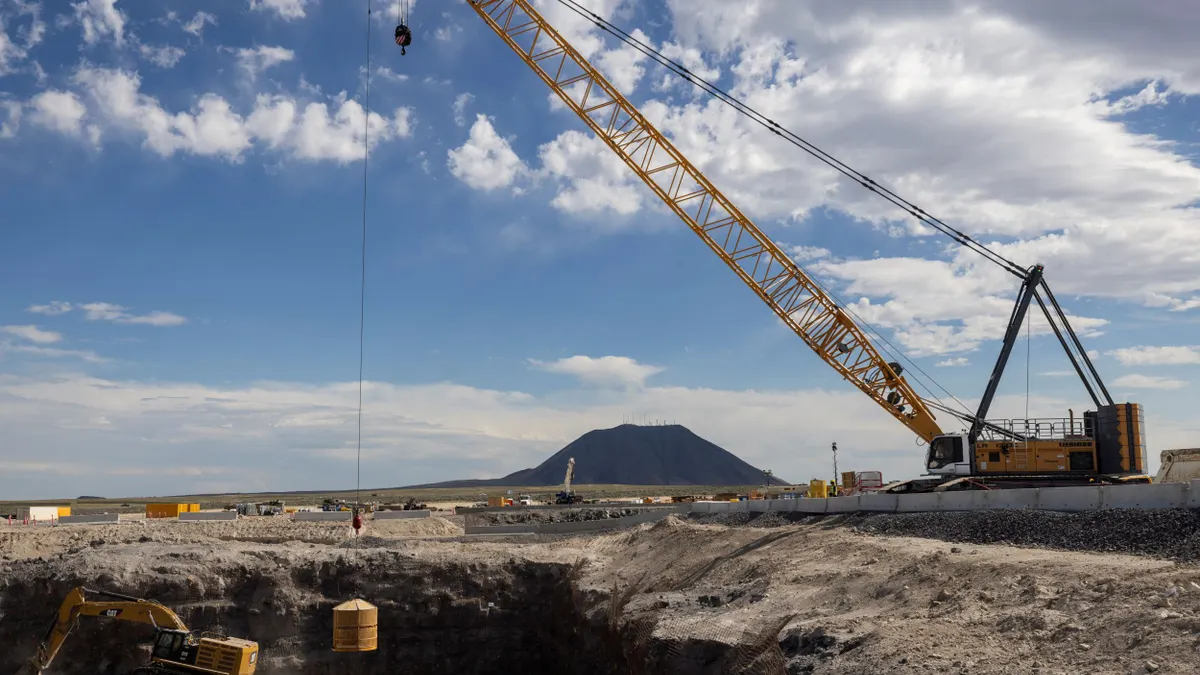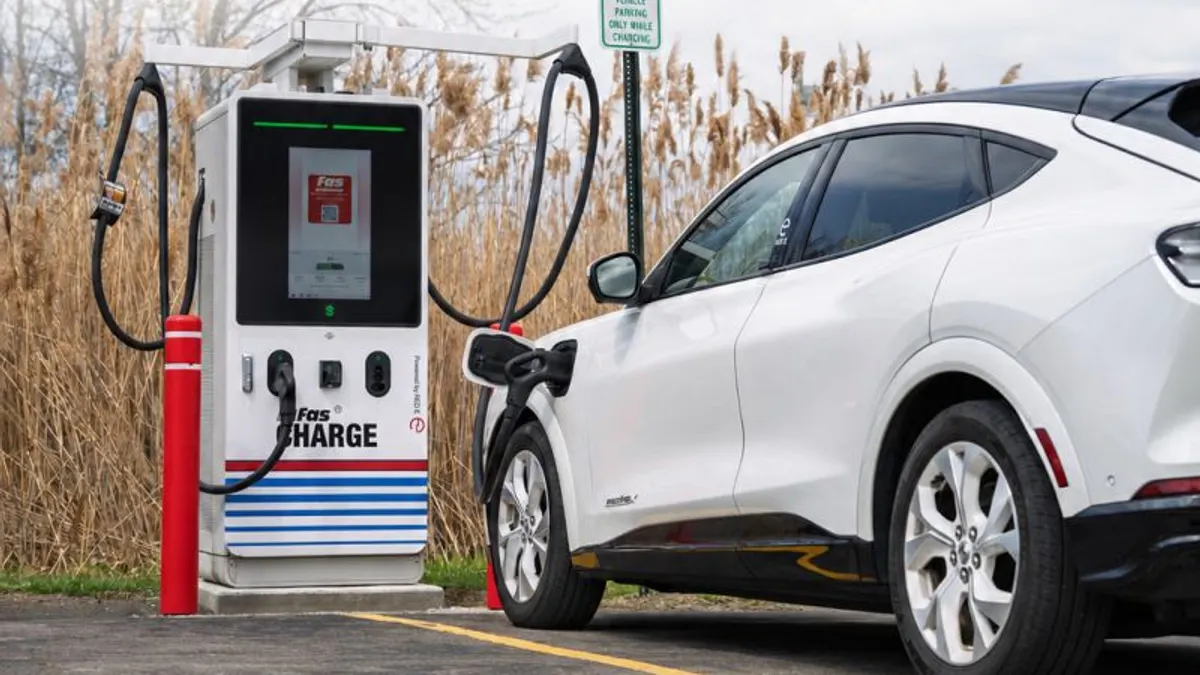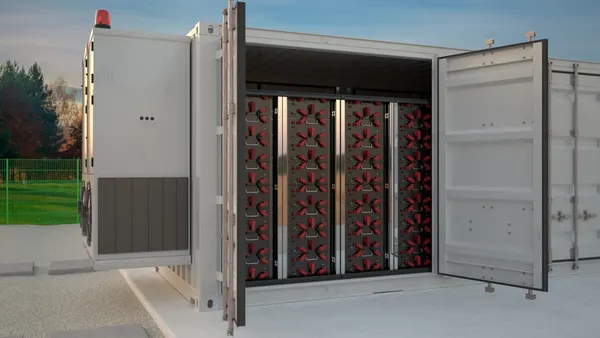

North America's electricity system is entering a period unlike any it has experienced before. Demand is rising from multiple directions at once. AI data centers, industrial electrification, electric vehicles, manufacturing expansion, and population growth are all placing new pressure on a grid that was largely built for a different era. According to NERC, the United States’ electricity consumption could rise from 4,281 TWh in 2024 to 5,353 TWh by 2034,1 while other studies suggest demand growth could be even higher.2
The industry often frames the challenge as a race to build. More transmission. More substations. More infrastructure. Those investments are essential, and there is no realistic path to meeting future demand without them. Yet focusing exclusively on new construction risks, overlooking another opportunity available right now: unlocking the hidden capacity already within the grid.
Today's power system contains significant untapped potential. Transmission assets are frequently operated using conservative assumptions, system bottlenecks can obscure available capacity elsewhere on the network, and fragmented data can make it difficult for operators to see where opportunities exist. In many cases, the challenge is not simply a lack of infrastructure; it’s a lack of visibility into how existing infrastructure can be used more effectively.
That distinction matters because new infrastructure takes time. Demand growth, however, is arriving now. In the U.S. alone, more than 2 TW of generation and storage capacity was waiting in interconnection queues by mid-2026, a figure equivalent to more than double the current U.S. power capacity.3 At the same time, ERCOT alone received nearly 200 GW of large-load applications during the first quarter of 2026.4
As utilities work to close the gap between power needs and grid readiness, optimization strategies can help deliver meaningful improvements in the near term while larger investments move forward. According to recent analysis, utilization of the U.S. power system could generate more than $100 billion in savings over the next decade by making better use of infrastructure that sits underutilized except during peak demand periods.5
A growing number of utilities and grid operators are therefore pursuing a dual-track strategy: build for the future while optimizing for the present. The first step is gaining a clearer understanding of system conditions. Modern asset management and grid operations platforms can provide better visibility into equipment health, network constraints, and operational performance. With better information, utilities can make more informed maintenance decisions, reduce operational risk, and identify where targeted investments will have the greatest impact.
Digitalization also plays an increasingly important role. Connected assets, advanced monitoring technologies, and integrated data environments enable operators to move beyond reactive decision-making. Instead of responding to issues after they occur, utilities can anticipate problems, improve planning accuracy, and optimize the use of existing infrastructure. The result is a more resilient and efficient grid that can accommodate growth more effectively.
The value of this approach is already becoming visible. Southwest Power Pool, for example, reported a 30% reduction in transmission planning time after modernizing planning processes and implementing advanced analytics capabilities, helping accelerate studies that traditionally take months to complete.6
Grid-enhancing technologies offer another avenue for improving utilization. Solutions such as dynamic line ratings, advanced power flow controls, and power quality technologies can help operators better manage congestion, increase operational flexibility, and maximize the performance of existing transmission corridors. Recent developments underscore the growing momentum behind these approaches. In August 2026, the FERC approved Southwest Power Pool’s topology optimization plan to reduce transmission congestion, following similar efforts by MISO that reportedly generated approximately $95 million in congestion-cost savings earlier this year.7 Rather than replacing infrastructure, these initiatives help extract greater value from assets already in service.
This does not eliminate the need for long-term investment. The scale of projected demand growth makes one thing clear: North America must continue expanding and modernizing its transmission and distribution networks.
But the conversation should not be framed as optimization versus investment. The more practical approach is optimization alongside investment. By improving visibility, increasing flexibility, and making better use of existing assets, utilities can create valuable breathing room while larger infrastructure projects are planned and delivered. In the race to meet future electricity demand, the most important capacity opportunity may not always be the next transmission line. In many cases, it may come from unlocking the capacity that already exists within the grid.
For a deeper dive into practical strategies for grid optimization, explore Hitachi Energy’s new white paper, Hidden capacity, faster power: Optimizing today’s grid while expanding for tomorrow.
References
- https://www.nerc.com/globalassets/our-work/assessments/2024-ltra_corrected_july_2025.pdf
- Powering Data Centers: U.S. Energy System and Emissions Impacts of Growing Loads
- https://emp.lbl.gov/queues
- Can US Interconnection Queues Survive Data Center-Driven Load Growth?
- New Brattle Report Finds Better Utilization of Existing Power Grid Could Save US Consumers More Than $100 Billion in the Next Decade | Brattle
- Southwest Power Pool (SPP) Partners with Hitachi to Develop Advanced AI Solution for Critical Power Transmission Reliability and Flexibility Challenges: Hitachi Global
- FERC approves SPP ‘topology optimization’ plan for cutting grid congestion | Utility Dive